
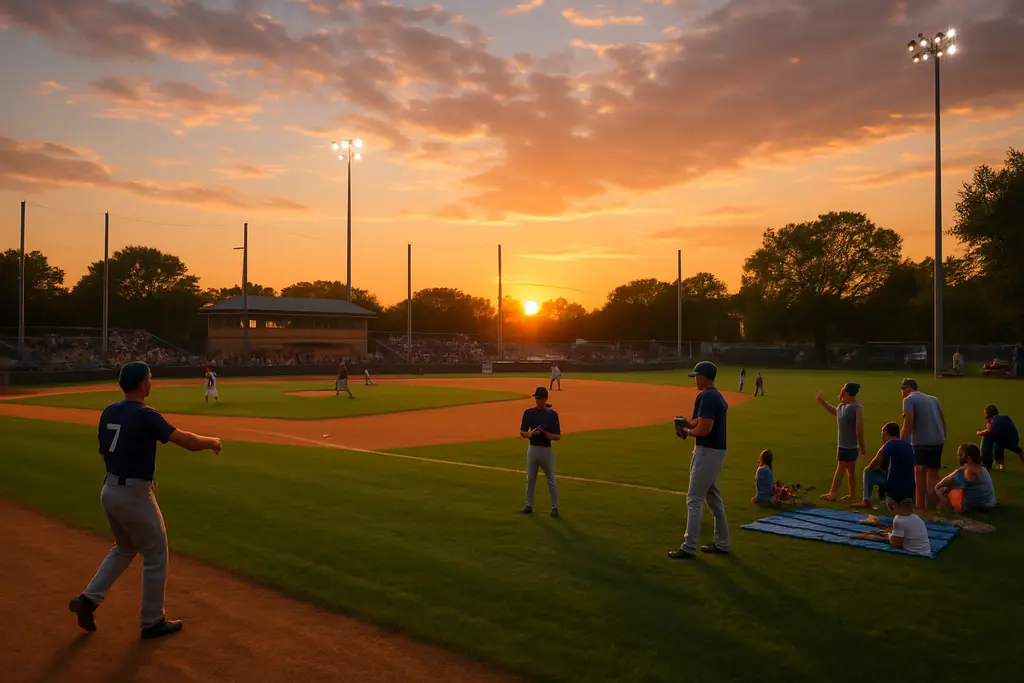

The Argyle Baseball Complex has moved from a bond question into a defining sports infrastructure story for Argyle High School’s Canyon Falls campus. Argyle ISD voters passed Proposition B on May 3, 2025, a $29,435,000 bond that includes funding for a baseball and softball complex at Argyle High School, according to the district’s Bond 2025 information. As of October 8, 2026, the project had not been completed, and no published first-use date was identified in the research reviewed for this story.
For Texas baseball communities, a school venue is never only a field with fences and lights. It is where underclassmen learn the pace of varsity preparation, where families build spring routines, and where a district shows what it expects from its athletic pipeline. In Argyle, that meaning is sharpened by growth, campus planning, and the district’s shift toward two high schools in the 2027–28 school year.
Argyle Baseball Complex Moves From Vote To Venue Plan
Why The Argyle Baseball Complex Matters On Campus
The Argyle Baseball Complex answers a direct logistical need. Research from Argyle ISD’s bond materials says varsity and sub-varsity baseball and softball teams at Argyle High had been traveling to the Highway 377 campus, also known as Argyle Middle School, for practices and competitions because that site was the competition-ready facility. Moving those teams onto the Canyon Falls campus would change the rhythm of after-school athletics.
That shift matters in small but steady ways. A player’s day can be shaped by the distance between class, training, practice, and home. Coaches plan around bus movement, field availability, locker access, weather windows, and multi-team scheduling. Families plan around pickups, traffic, siblings, and work schedules. A campus-based baseball and softball site does not erase those pressures, but it brings the sport closer to the daily life of the school.
Local reporting in September 2026 said plans considered by Flower Mound officials included a baseball stadium with seating for 750 and a softball stadium with 536 seats, as covered by the Cross Timbers Gazette. Those seating figures place the project squarely in the high school community sports category: large enough for varsity nights, family attendance, visiting fans, and district-level scheduling needs, but still tied to school identity rather than a stand-alone tournament park.
How Phase Planning Shapes Team Identity
The Canyon Falls campus has been planned in phases, and the baseball and softball complex is identified in the research as Phase 4. That phasing is part of the larger Argyle ISD growth story. The district has said it is slated to transition to two high schools in the 2027–28 school year, and its bond material points to projected enrollment nearing 12,000 students by 2035.
For baseball and softball, that forecast is not abstract. Two high schools need separate athletic spaces if each campus is to build its own practice habits, game-night culture, and player development structure. Sharing one competition-ready facility can work as a temporary arrangement, but it creates schedule pressure as participation grows. A second campus venue can help each program form its own identity while keeping students connected to the school they represent.
Texas high school baseball often grows through repetition: daily throws, cage work, bullpen routines, defensive reps, and game-speed decisions. A venue close to classrooms gives coaches a better chance to keep those routines consistent. It also gives younger players a visible target. Freshmen and sub-varsity athletes see the varsity field not as a distant site across town, but as part of campus life.
Community Concerns Around Access, Sound, And Fit
Neighborhood Friction Was Part Of The Public Process
The public process around the complex included friction, especially around how a school sports venue fits near homes. The September 2026 local report noted concerns tied to the site plan and nearby residents. That part of the story deserves attention because Texas baseball facilities sit inside real neighborhoods. The success of a campus venue depends not only on seating and dugouts, but also on how sound, lights, traffic, and event schedules are handled.
Research notes said the district planned to mount stadium speakers in the outfield scoreboard and orient them inward toward the stands, rather than projecting sound beyond residential areas. That detail shows how sports infrastructure planning often comes down to practical design choices. A scoreboard speaker location may sound minor until a spring schedule brings repeated weeknight games, pregame announcements, walk-up music, and tournament-style activity.
The plan also included height exceptions tied to press boxes, with the baseball press box reaching 37 feet 1 inch and the softball press box reaching 36 feet 7 inches. The standard town height ordinance cited in the research was 35 feet. Those numbers help explain why the project became more than a routine school facilities item. Even modest differences in height can carry meaning for neighbors watching a campus grow near residential areas.
Why Facilities Debate Is Part Of Texas Baseball Culture
There is a familiar Texas pattern in this debate. Communities want students to have safe, useful, competitive facilities, but residents also want clear answers about noise, buffers, traffic, and scale. Baseball and softball fields are social places, and that is part of their power. They bring parents, students, alumni, grandparents, youth players, and visiting families into the same space. That gathering force also means the facility must earn trust beyond the foul lines.
For readers tracking the larger local conversation, our related piece on the Argyle ISD Baseball Complex vote connects the bond decision with public trust, varsity needs, and Canyon Falls growth. The same themes carry through the approval-stage discussion: who benefits, who bears the disruption, and how a school district communicates the purpose of athletic investment.
The sports-first answer is that a campus baseball and softball complex supports student-athlete development and reduces reliance on another campus for practices and games. The community answer is wider. A venue changes where families gather, where students spend afternoons, and how a growing district marks identity across campuses.
Infrastructure Impact For Argyle Teams And Families

Practice Time, Home Games, And Student Routines
The Argyle Baseball Complex is best understood as a daily-use asset, not only a varsity game venue. If completed as planned, it would allow home games and practices on the Canyon Falls campus, reducing travel for teams that had been using the Highway 377 site. That matters for baseball and softball because practice quality is built through volume and routine.
A high school baseball week can include cage sessions, defensive work, pitcher recovery, scouting meetings, weather adjustments, junior varsity games, varsity games, and shared athlete obligations in the classroom. When a team’s competition-ready field sits off campus, each movement adds time and coordination. On-campus access can help coaches protect practice windows and can make it easier for athletes to move from the school day into training without a separate trip.
The family impact is just as real. Parents often measure a sports facility by pickup times, parking patterns, and whether siblings can stay connected to the campus environment. A local venue can become part of a family’s weekly rhythm. It can also give younger students a clearer view of the high school program, which matters in a district where future enrollment growth is part of the planning record.
- Baseball and softball teams would gain a competition-ready campus setting at Canyon Falls.
- Families could see fewer trips tied to the Highway 377 campus for school competition.
- Separate high school facilities would support the district’s planned two-high-school structure.
- Seating capacity would give both programs defined space for varsity crowds and visiting supporters.
Softball Belongs In The Same Facilities Conversation
The project is not only a baseball story. The softball stadium, with a planned 536 seats in the September 2026 reporting, sits at the center of the same infrastructure question. In many Texas districts, softball and baseball share public attention each spring, yet facility planning can reveal whether both programs are being treated as equal parts of campus athletics.
Argyle’s plan places both sports in the same bond-funded conversation. That pairing matters culturally. It signals that spring diamond sports are being planned together as the district grows, rather than treated as separate afterthoughts. For athletes, that can mean clearer access to training space, campus visibility, and home-field identity. For families, it means baseball and softball schedules can be understood as part of one larger campus sports pattern.
What The Argyle Baseball Complex Means For Argyle Sports
The Argyle Baseball Complex stands at the meeting point of growth, tradition, and public trust. The bond vote on May 3, 2025, gave the district a funding path. The September 2026 planning record brought seating, design, and neighborhood questions into public view. By October 8, 2026, the complex was not yet finished, and the available research did not identify a first-use date.
If the Argyle Baseball Complex is built as planned, its biggest impact may be felt in ordinary school days: fewer off-campus athletic trips, clearer practice routines, stronger campus identity, and separate facilities as Argyle ISD moves toward two high schools. That is how Texas baseball infrastructure often leaves its mark. The scoreboard matters, but so do the daily drives, the shared bleachers, the coach’s practice plan, and the community’s willingness to make room for school sports while respecting the people who live nearby.