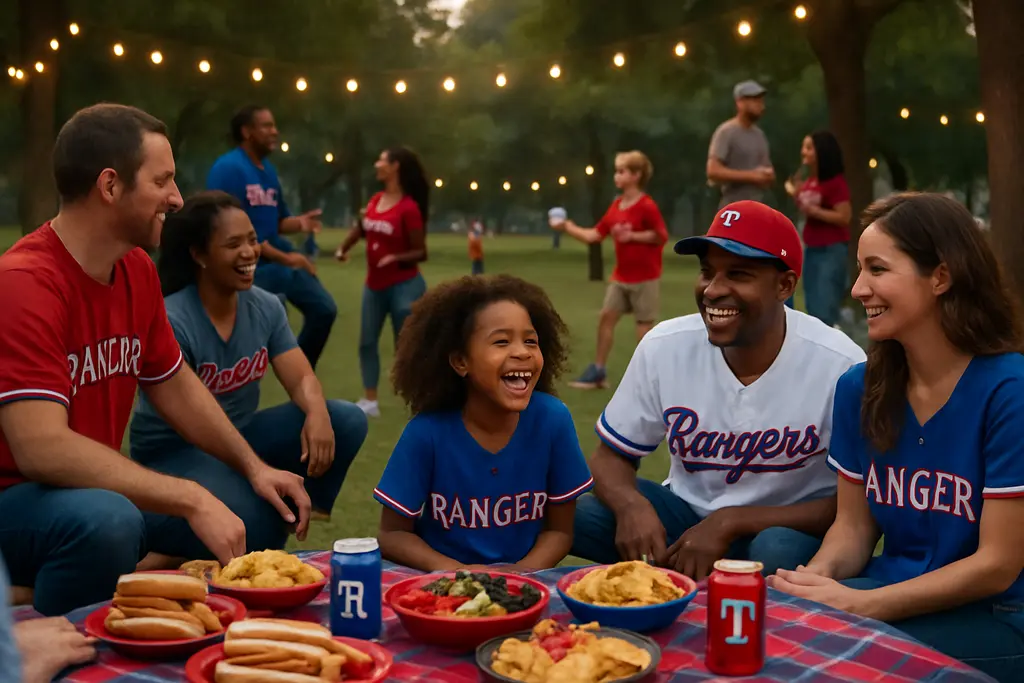

Rangers Community Nights have become one of the clearest ways the Texas Rangers connect baseball at Globe Life Field with the people who fill the seats. The club announced more than 60 Theme and Community Nights for the 2026 season, a schedule that included Mexican Heritage, First Responders, Veterans, Hispanic Heritage and Youth Baseball nights, according to the team’s 2026 Theme and Community Night schedule. That range matters in North Texas because a ballpark crowd is never one single audience. It is families, students, veterans, first responders, youth players, alumni groups and fans who bring their own stories through the gates.
Theme nights can look simple from a distance: a ticket package, a cap, a jersey, a pregame moment or a group seated together. In practice, they help turn a regular-season date into a shared marker on a local calendar. A game against a division opponent may decide a standings question, but a community night tells fans that their service, culture, school or family tradition has a place beside the foul lines. That is where the Rangers’ approach becomes a Texas baseball story, not just a marketing plan.
How Rangers Community Nights Build Belonging
Why Rangers Community Nights Feel Personal
The power of a community night starts before first pitch. It can begin when a youth coach shares a ticket link with parents, when a veteran plans a night out with family, or when a college graduate sees school colors connected to a big-league game. Those moments do not require a box score. They require recognition.
Rangers Community Nights give fans a reason to see themselves in the ballpark experience. The team’s 2026 list covered identity, service, education and baseball development. Youth Baseball Night, for example, sits close to the heart of the Texas baseball pipeline. A child who plays on a local field in Arlington, Fort Worth, Grand Prairie or Mansfield can walk into Globe Life Field and see the major league club make space for the sport at its earliest levels.
Recognition Without Leaving The Game Behind
The best versions of these nights do not pull attention away from baseball. They layer meaning onto the game. First responders can be honored while the Rangers still compete through nine innings. Heritage nights can bring music, food traditions and colors into the stadium without turning the event into something separate from the field. That balance is why the format works for a club with a wide regional fan base.
In Texas, baseball identity has always been tied to place. Fans drive in from suburbs, small towns and college communities. Many plan around work schedules, school nights and youth tournaments. A theme night gives those fans a practical reason to choose one date over another, then gives the date an emotional reason to be remembered.
Theme Dates As Texas Baseball Storytelling
Heritage, Service And School Pride
The Rangers’ 2026 schedule used themed dates to tell several kinds of Texas stories. Mexican Heritage and Hispanic Heritage nights connect with communities that have shaped baseball across the state, from youth leagues to high school programs to the pro game. Veterans and First Responders nights recognize public service in a region with military families, fire departments, police departments, emergency medical workers and civic groups spread across North Texas.
School pride also has a natural home at Globe Life Field. The official schedule included specialty items tied to theme and community dates, including a co-branded Texas A&M windbreaker for certain game-night purchases. That kind of item is not only a giveaway. It becomes a visible sign of connection between a university community and a major league club that draws from the same state sports culture.
Giveaways As Shared Keepsakes
Caps, jerseys and other specialty items have a simple but lasting role. A fan may not remember every pitch from a midweek game months later, but a themed cap on a shelf or a jersey worn to a youth practice keeps the night alive. The object becomes proof that the fan was part of a group inside the ballpark.
That matters for local businesses and community groups, too. A themed date can turn dinner near the park, parking plans, merchandise choices and postgame meetups into a group outing. Arlington’s sports district benefits when fans do more than arrive late and leave fast. Community dates give families and groups a reason to make the game part of a fuller night in the city.
Attendance Lessons From Weeknight Promotions
Why Tuesday Giveaways Matter
The Rangers have also treated promotions as a serious attendance tool. In a business case study, the club used a fuller view of ballpark operations and found that premium giveaways, including caps and bobbleheads, helped boost ticket sales on Tuesdays rather than only on weekends, according to Tableau’s Rangers operations case study. That finding says something useful about fan behavior in North Texas. Weeknight baseball has to compete with school, commutes, heat, work and youth sports schedules. A meaningful promotion can help a family or group commit to the date.
That does not reduce the fan connection to a free item. It shows that timing and identity matter together. A Tuesday game with no clear hook may be easy to skip. A Tuesday game that recognizes a fan’s school, profession, heritage or child’s baseball life carries a stronger reason to attend.
What Planning Says About Fan Trust
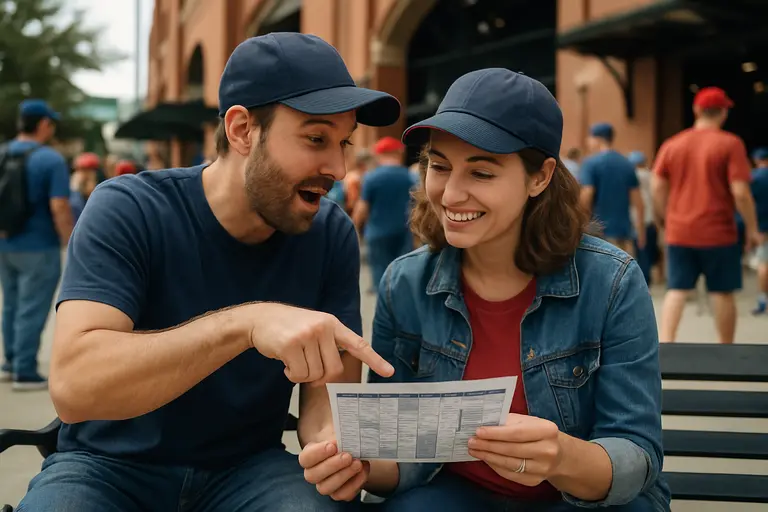
Theme-night ticketing also depends on clarity. The Rangers’ official system ties many specialty items to designated ticket purchases, which helps set expectations for who receives the related item. Fans may not think about forecasting or inventory in those terms, but they do care about whether the night feels organized and fair.
Trust is part of the fan relationship. If a family buys the right package and receives the promised item, the night feels complete. If a group can plan seats together and understand the promotion before arriving, the ballpark experience starts with less stress. In a market as large as Dallas-Fort Worth, that kind of planning helps turn one-time guests into repeat visitors.
What The Schedule Can And Cannot Say
Supported Facts And Open Questions
The official 2026 schedule confirms the scale of the Rangers’ theme and community programming and identifies several groups included in that plan. It supports a clear point: the club has used the regular-season calendar to bring many local identities into Globe Life Field. Still, a schedule alone cannot measure every fan’s feeling of inclusion. It can show who was named, what was offered and how many dates were planned. It cannot fully answer who felt seen, who felt left out or how each group experienced the night once inside the park.
That distinction matters for honest reporting. Community connection is real, but it is not automatic. A heritage night, service night or youth baseball date gains meaning through execution: clear communication, respectful presentation, accessible ticketing and a baseball environment where the honored group feels welcome beyond a single inning or photo opportunity.
Where Local Memory Fits
Texas baseball carries stories that do not always show up in a standard standings table. Black baseball history, college loyalty, military service, immigrant communities and youth development all sit close to the sport here. That is why related local events, such as Texas Negro League Tribute Night, fit the same broader idea: the ballpark can be a public space for memory as well as competition.
For the Rangers, the challenge is to keep that space active and specific. A strong community night should not feel like a label pasted onto a game. It should feel connected to the fans who bought the tickets, the local groups that helped spread the word and the baseball culture that brought everyone to Arlington in the first place.
Why Rangers Community Nights Matter In Texas
The Ballpark As A Meeting Place
Rangers Community Nights matter because Texas baseball is built on more than professional results. It is built on Little League schedules, high school diamonds, college colors, family routines, service organizations and neighborhoods that use sports as a meeting place. Globe Life Field gives those groups a stage large enough to feel public and familiar enough to feel local.
That is the strongest fan connection these nights can create. A fan may come for the Rangers, but leave feeling that the Rangers noticed a part of their life outside the standings. If the club continues to match careful planning with real community recognition, these dates can keep turning ordinary games into shared Texas baseball memories.