
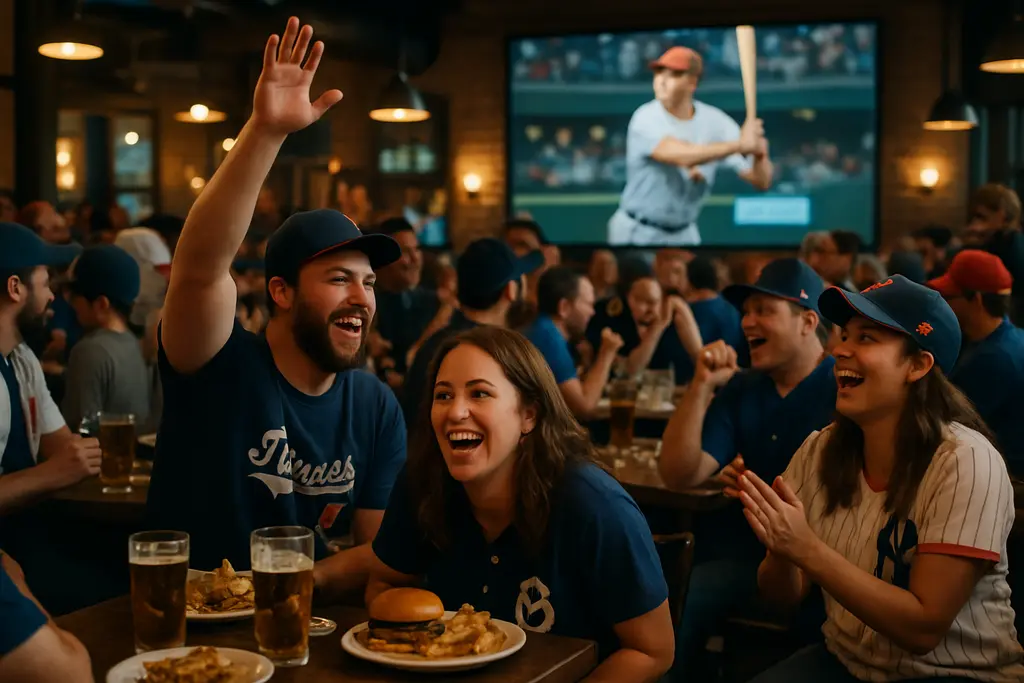

In Texarkana, Swanger Tournaments became one of the clearest sports business stories of 2026: youth baseball and softball teams came to play, and the city felt the impact well beyond the foul lines. Between February and June 2026, Swanger Sports Complex hosted 15 tournaments, drew 420 teams, and brought an estimated 43,000 visitors from Texas, Arkansas, Louisiana, and Oklahoma, according to the city’s official economic impact study.
Those figures matter because tournament baseball is built on movement. A weekend bracket brings players, parents, siblings, coaches, umpires, and spectators into town at the same time. They need hotel rooms, meals, fuel, convenience stops, and places to gather between games. For a border city like Texarkana, that rhythm turns a sports complex into a civic meeting place where Texas baseball culture blends with regional travel.
The numbers released by the city show that Swanger Sports Complex did more than host games during that February-to-June stretch. It gave Texarkana a repeatable model for sports tourism tied to youth development, family travel, and neighborhood business activity.
How Swanger Tournaments Moved Money In Texarkana
The February-To-June 2026 Run
The first half of 2026 gave Texarkana a strong sample of what tournament scheduling can mean for a local sports economy. Fifteen tournaments in five months created a steady flow of team arrivals rather than a one-off crowd. That matters for business owners because repeat weekends are easier to staff, plan for, and connect with than isolated events.
The city estimated $6.5 million in direct visitor spending tied to the February-through-June 2026 tournament period. That figure came from the same city study that tracked teams, visitors, and travel patterns. Direct visitor spending is the part that most residents can picture right away: families buying dinner after pool play, parents filling up before the drive home, and teams staying overnight because a bracket runs across multiple days.
Swanger Tournaments also brought a high share of outside spending into Texarkana. The city reported that about 61% of visitors during that period came from outside the local area, bringing what the study described as “new dollars” to hotels, restaurants, retailers, and other businesses city visitor spending data.
New Dollars Around The Ballfields
That phrase, “new dollars,” is where the cultural impact starts to meet the balance sheet. Local families already spend in Texarkana. Traveling baseball families add a second layer because their spending arrives with the tournament. They are in town because the schedule brought them there.
For a youth baseball destination, the strongest economic story is not only a packed parking lot. It is the way tournament weekends spread across the day. Morning games send families to breakfast. Midday gaps send them to shops or back to hotels. Evening brackets send teams to restaurants. The complex is the anchor, but the spending spreads through the city.
| February-June 2026 Measure | City-Reported Figure |
|---|---|
| Tournaments Hosted | 15 |
| Teams Drawn | 420 |
| Estimated Visitors | 43,000 |
| Share From Outside Local Area | About 61% |
| Estimated Direct Visitor Spending | $6.5 million |
Those figures show why Swanger Tournaments became a local planning issue, not just a sports calendar item. Once a community can link fields to hotel nights and dining visits, baseball becomes part of how the city talks about tourism, infrastructure, and family recreation.
What The Renovation Changed For Baseball Travel
A Wider Regional Pull
The renovated Swanger Sports Complex held its grand opening on May 2, 2025. After that reset point, the city reported a 431% increase in visitors traveling from 100 or more miles away for tournaments. That single figure says a great deal about how players and families view a tournament destination.
Travel teams do not choose a site only because games are scheduled there. They weigh field quality, traffic, hotel access, food options, and whether a weekend trip feels manageable for families. A rise in long-distance visitors suggests that Texarkana improved its position in the regional youth baseball circuit after the renovation.
That reach across Texas, Arkansas, Louisiana, and Oklahoma fits Texarkana’s geography. The city’s identity has always been tied to crossing lines on a map. Baseball gives that identity a weekend shape: teams arrive from different directions, meet on the same fields, and carry their experience back home.
Restaurants And The Baseball Weekend Rhythm
The city also reported a 68% increase in dining visits tied to tournament events since the renovation. That number is one of the clearest signs that tournament baseball supports more than gate traffic. Food is where teams bond after a long day, where parents compare schedules, and where local workers feel the rush of a tournament weekend.
For restaurants, baseball weekends can create predictable waves. Teams often move in groups, and youth tournaments tend to cluster meal demand around game gaps. That can affect staffing, prep, and hours. The economic study did not name specific businesses, so no single restaurant should be credited with the increase. The broader point is safer and stronger: tournament events fed dining activity across the city.
This pattern connects with a wider Texas baseball trend. Communities that invest in youth facilities are not only chasing trophies. They are building weekend economies around fields, families, and local service businesses. A related look at how the youth baseball economy shapes Texas facilities shows the same link between tournament travel and civic planning in other Texas communities.
Why The Impact Reaches Beyond The Scoreboard

Player Development And Family Travel
Swanger Tournaments are sports events first. The teams come to compete, coaches manage lineups, and players test themselves against opponents from beyond their usual local circle. That competition has value for athlete development because players see different styles, stronger brackets, and the pressure of tournament settings.
Yet youth baseball development is never only about the nine players on the field. It depends on parents who can manage travel, coaches who can keep teams organized, and host cities that can handle weekend demand. Texarkana’s reported visitor numbers show that Swanger Sports Complex became a gathering point for that wider baseball ecosystem during the 2026 spring and early summer run.
Small Businesses In The Baseball Loop
The 2025 economic impact report projected that the renovated complex would attract 30,000 annual visitors made up of athletes, coaches, and spectators. The February-through-June 2026 estimate of 43,000 visitors showed activity above that annual projection during a five-month period, based on the research provided by the city.
The same 2025 report estimated $5.8 million in total economic output, including about $3.4 million in direct visitor spending and $2.4 million in indirect or induced effects. It also tied sports tourism at Swanger to 49 local jobs, $1.75 million in total employee compensation, more than $188,000 in small business income, and $763,000 in tax revenue across local, county, state, and federal levels.
Those figures should be read as official estimates, not as a box score. Still, they help explain why a tournament complex can become part of a city’s identity. Baseball weekends support jobs that may never appear in a lineup card: front-desk staff, servers, retail workers, maintenance crews, and others who help host traveling families.
- Hotels feel the value when teams stay overnight for multi-day brackets.
- Restaurants gain from team meals and family gatherings after games.
- Retailers and service businesses benefit when visitors fill time between first pitch and the next bracket slot.
What Swanger Tournaments Mean For Texarkana Baseball
A Border-City Baseball Identity
For Texarkana, the meaning of Swanger Tournaments is both economic and cultural. The city is not simply renting out fields. It is hosting a regional baseball conversation shaped by families, young athletes, coaches, and small businesses. The official 2026 numbers give that story weight: 15 tournaments, 420 teams, 43,000 estimated visitors, and $6.5 million in estimated direct visitor spending over five months.
The fall 2026 calendar also showed five baseball and softball tournaments scheduled at Swanger Sports Complex, with other events listed for nearby Grady T. Wallace Complex. Because the available research did not provide exact fall dates, the safest reading is that Texarkana continued to place tournament sports at the center of its local activity plan after the strong February-to-June period.
The power of Swanger Tournaments is that they make baseball visible in everyday city life. A tournament weekend can turn a normal lunch rush into a team gathering, a hotel lobby into a schedule board, and a set of fields into a regional meeting ground. That is why Swanger Sports Complex now sits at the heart of a bigger Texas baseball story: one where youth competition, family travel, and local pride share the same diamond.