


Seabourne Creek Complex has become one of Rosenberg’s clearest examples of how baseball space can serve more than teams on a schedule. The site ties together ballfields, family gathering areas, trails, water access, and nature programming. For Texas baseball communities, that matters because a park is not just where innings are played. It is where parents meet coaches, young players learn routine, and local families build a shared weekend rhythm around the sport.
The research record on the Rosenberg site shows a steady pattern of investment rather than one single ribbon-cutting moment. Field work, lighting plans, nature park improvements, parking and entrance projects, and planning for a nature center all point toward a public park system built to carry more use. For a city with a sports-first community identity, those upgrades affect how youth baseball feels from the dugout, the bleachers, and the drive into the park.
Why Seabourne Creek Complex Matters In Rosenberg
Seabourne Creek Complex As A Baseball Hub
The sports side of the property gives Rosenberg a substantial base for youth and community competition. The Seabourne Creek Regional Sports Complex covers about 168 acres and includes four baseball fields, one softball field, two football or soccer fields, an ADA-accessible playground, pavilions, and shade structures, according to the official sports complex listing. Those details are central to the park’s baseball value. Four diamonds mean practices, league play, and tournament-style scheduling can exist in one place, which helps families spend less time moving between facilities.
At the Seabourne Creek Complex, baseball also sits beside other community uses. That mix matters in a Texas park setting. A sibling may be on the playground while a player warms up. A family may use a pavilion between games. Shade structures can shape the experience for grandparents and younger children during warm-weather baseball days. Those are not box-score details, but they influence whether a park feels like a place families can return to week after week.
Why Ballfield Details Shape Player Development
One upgrade from the research notes stands out for baseball: in Fiscal Year 2024-25, Rosenberg reported converting Ballfield #1 from a dirt infield to a sodded infield. That kind of change affects play, maintenance, and comfort. It can change how a ground ball moves, how the surface wears, and how young players adjust to field conditions. For developing athletes, the field surface is part of the learning environment.
The city’s planning record also included LED lighting upgrades for ballfields in FY2025 Capital Improvement Projects. Lighting is more than an equipment line. It can affect evening practice windows, scheduling flexibility, and the ability to spread field demand across more hours. The research notes do not confirm final completion of every planned phase, so the fairest reading is that Rosenberg had identified field lighting as part of its capital work during that budget cycle.
How Upgrades At Seabourne Creek Complex Connect Fields And Trails
Nature Space Around The Ballpark
The nature park side adds a second layer to the sports story. Seabourne Creek Nature Park includes three fishing piers, two of them with picnic tables, a 4-acre lake, a 9-hole disc golf course, and 3.1 miles of crushed-granite walking trails, according to the official nature park listing. The same listing notes features managed by Texas Master Naturalists volunteers. That matters because baseball families often need more than a diamond. They need places to walk between games, sit with relatives, and give younger children a break from the bleachers.
In October 2022, Rosenberg received a $75,000 “Perk Your Park” grant tied to six acres at Seabourne Creek Nature Park. The research notes identify the planned work as native tree planting, new crushed-granite paths, picnic areas, and arboretum enhancements. Those improvements fit the broader park identity: a sports site that is also a civic gathering place. For a baseball parent, a better path or picnic area can make a long day at the fields feel more manageable. For a local business or team sponsor, a stronger park setting can help make community events easier to support.
Shared Space And Community Programming
The nature center planning adds another piece. On January 5, 2021, Rosenberg City Council authorized the use of Parkland Dedication funds for design of the Seabourne Creek Park Nature Center. The research notes describe a plan that had been approved conceptually in 2016 and included in the 2019 Parks Master Plan, with a 4,560-square-foot enclosed space and about 4,040 square feet of covered outdoor space for multipurpose and community programming.
For baseball culture, that kind of nearby programming space can matter even when it is not a dugout or batting cage. Parks that host clinics, meetings, volunteer efforts, nature education, and family events create more reasons for people to know the site outside of a single game time. That widens the audience around local baseball. It can bring in families who first visit for a trail, fishing pier, or community event, then return for youth sports.
What The Investment Says About Local Baseball Culture
Access, Parking, And The Family Experience
The research notes list FY2025 project funds that included $200,000 for FM-2218 entrance improvements and $400,000 for added parking at Seabourne Creek Sports Complex. Those are practical items, but practical items often decide how a sports park is remembered. A tournament day can strain access points. A full evening practice schedule can make parking a family stress point. When a city plans around entrances and parking, it is planning around the real habits of baseball households.
The Seabourne Creek Complex also sits at the meeting point of organized sport and informal recreation. That makes it different from a single-use stadium. A player may see the park as a baseball home. A parent may see it as a safe routine. A coach may see it as a place to teach punctuality, teamwork, and field care. A local vendor or nearby restaurant may see game traffic as a small but steady part of the local sports economy.
Numbers That Point To Demand
The research notes for FY24-25 listed 16 special events at Seabourne Creek Park. They also listed 2,123 field bookings at Seabourne Creek Regional Sports Complex from October 1, 2024, to September 30, 2025, with field revenue of about $14,822. Those figures should be read as a snapshot from the supplied materials, not as a long-term trend line. Still, they suggest a park with regular use and a role in city programming.
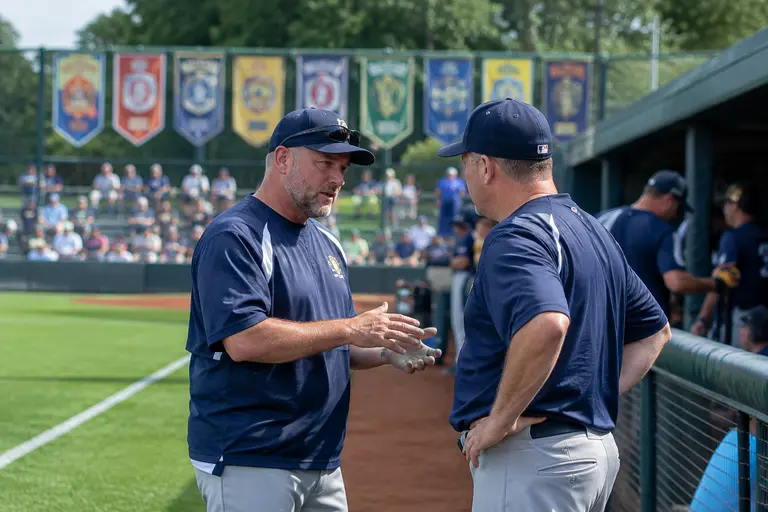
That demand is part of why upgrades carry cultural weight. Baseball fields are public stages for ordinary milestones: a first hit, a last youth league game, a coach’s postgame talk, or a family photo after a tournament. When Rosenberg invests in surfaces, lighting, parking, trails, and shared spaces, it supports those ordinary moments. Texas baseball culture is often built from those repeated weekends rather than from one headline event.
- Four baseball fields help concentrate youth and community play in one Rosenberg location.
- Walking trails, piers, picnic areas, and shade structures give non-playing family members reasons to stay connected to the park.
- Field, parking, lighting, and nature improvements show how sports infrastructure and civic space can grow together.
What Seabourne Creek Complex Means For Rosenberg Baseball
A Park That Carries More Than Games
The clearest lesson from the Seabourne Creek Complex is that baseball infrastructure works best when it supports the full community around the sport. Rosenberg’s records show attention to fields, access, parking, nature areas, and gathering space. None of those pieces alone tells the full story. Together, they show a city treating baseball as part of daily public life.
For players, the value starts with usable fields and better conditions. For families, it extends to shade, trails, playground access, and parking. For coaches and league organizers, it includes scheduling capacity and a park setting that can welcome more than one team at a time. For Rosenberg, the cultural impact is a public place where Texas baseball can remain local, intergenerational, and tied to the rhythms of community life.