

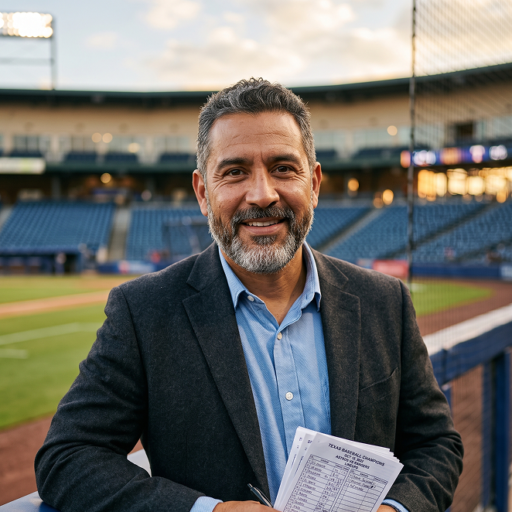
Austin Huml became Texas State University’s Director of Hitting Development on August 13, 2026, after serving as a student assistant coach during a 2026 Bobcats season defined by power, postseason reach, and a clear shift in expectations. Texas State announced the promotion as part of head coach Steven Trout’s staff plan, with Huml set to assist hitting coach Rick Guarno as the Bobcats prepare for their first Pac-12 baseball season in the 2026-27 athletic year Texas State announcement.
For San Marcos, this was more than a staff title. It connected a recent graduate, a Texas junior college path, and a record-setting offense to the next competitive chapter for Bobcat baseball. Texas State’s move into the Pac-12 athletic year had already taken effect on July 1, 2026, with full competition beginning in fall 2026. Baseball’s first step into that conference identity placed even more attention on how the program teaches hitters, builds routines, and keeps local energy tied to performance.
Why Austin Huml Fits San Marcos
Austin Huml And The Record Standard
Huml’s promotion came after he contributed as a student assistant to one of the most powerful offensive seasons in Texas State program history. The university credited the 2026 Bobcats with 116 home runs, calling it both a Texas State program record and a single-season Sun Belt Conference record. That is the number attached to the staff announcement, and it is the number that framed the move within the athletic department’s own release.
That context matters because development roles can be hard to read from outside the clubhouse. Fans see the ball leave the yard, the lineup card change, and the postseason bracket appear. They do not always see tee work, scouting conversations, swing decisions, pregame cage habits, or the trust built during a long spring. A director of hitting development sits in that daily space, where instruction becomes repeatable work.
From Student Assistant To Staff Seat
Austin Huml entered the full-time support staff conversation as someone already familiar with the program’s language. He had completed his undergraduate degree in Integrated Studies in May 2026, after transferring from Tyler Junior College to Texas State. That path gives the story a Texas baseball feel: junior college development in East Texas, a move to San Marcos, then a staff role with a Division I program heading into a new conference setting.
There is also a cultural piece here. Texas State baseball draws from a region where players, families, high school coaches, and junior college programs often overlap. A staff member who has lived part of that route can bring a practical voice to player conversations. That does not guarantee production, but it can help build credibility with hitters trying to turn mechanical work into game-day results.
The Data Behind The Bobcats’ Batting Jump
Power Numbers With Two Official Frames
The 2026 offensive record has one detail worth treating with care. Texas State’s announcement credited the Bobcats with 116 home runs. The Sun Belt’s official 2026 baseball statistics page lists Texas State with 115 home runs, along with a .274 team batting average, a .508 slugging percentage, and 62 games played Sun Belt statistics. Both figures come from official sources, so the safest reading is that public record pages framed the total differently.
Even with that difference, the message remains clear: Texas State’s offense in 2026 carried unusual power by the program’s own standards. A slugging percentage above .500 across 62 games speaks to more than one hot weekend. It points to a lineup capable of changing games quickly, stressing pitching staffs, and drawing attention from opponents who had to plan around multiple threats.
What The Numbers Say About Development
Home run totals can dominate fan conversation, but hitting development is not just about exit speed or fence-clearing swings. A staff has to balance aggression with strike-zone judgment, lineup depth, matchup preparation, and adjustments after conference opponents gather more information. The 2026 Bobcats earned an at-large bid to the NCAA tournament and competed in the College Station Regional, giving that offense a postseason stage and giving the staff a better sense of what travels against higher-level arms.
For a program entering a new league setting, those lessons matter. The Pac-12 move brought a different conference identity and a fresh set of scouting demands. Texas State did not announce the promotion in isolation; it placed the role beside Guarno’s hitting work. That pairing suggests a staff structure built around daily player support rather than a single voice carrying the full teaching load.
Player Development With Texas Roots
Tyler To San Marcos
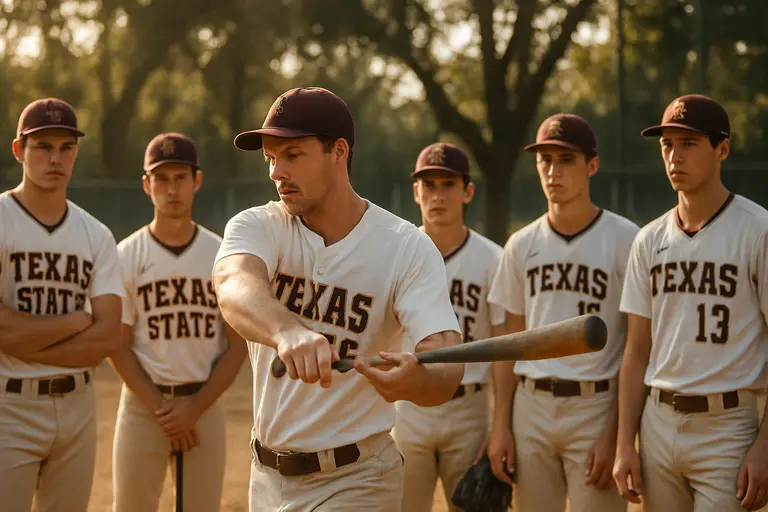
The Tyler Junior College connection gives this story another local layer. Junior college baseball in Texas has long served as a proving ground for players seeking innings, at-bats, strength gains, academic footing, or a later Division I chance. Huml’s move from Tyler to Texas State sits inside that player-development chain, and his later staff role gives current Bobcats another example of how baseball careers can shift from uniform to clipboard.
For families around Central Texas, that matters. Not every baseball story moves in a straight line from high school signing day to a starring college role. Some are built through transfers, support positions, summer assignments, and early coaching responsibilities. That kind of path can make a staff member relatable to players fighting for at-bats or trying to define their place on a roster.
Cape Cod Wooden-Bat Work
During the summer of 2026, Huml served as an assistant hitting coach with the Hyannis Harbor Hawks of the Cape Cod Baseball League. The Cape is known as a summer wooden-bat league for collegiate players, and Texas State included that stop in its announcement for a reason: it added a different teaching environment before he returned to San Marcos in a formal staff role.
Wooden-bat summer baseball can sharpen the way coaches talk about contact quality, timing, and barrel control. The bats are different, the schedule has its own rhythm, and players often arrive from many college systems. For a young coach, that kind of summer can broaden the vocabulary used with hitters. It can also help a coach compare what works inside one program with what players bring from other schools.
Readers tracking how the Bobcats staff move fits the program’s wider hitting plan can pair this story with our related look at Texas State hitting and the player-first questions around the staff change.
What Austin Huml Means For Bobcat Baseball
Pac-12 Context Without Losing Local Voice
Texas State’s move into the Pac-12 athletic year raised the stakes around preparation, recruiting conversations, and program identity. Yet the Bobcats still carry a San Marcos base. Fans who fill Bobcat Ballpark, alumni who followed the Sun Belt years, and local players who see Texas State as a reachable model all read staff moves through a community lens. A hitting development title signals that the program is investing in the daily process behind the box score.
That investment is not abstract. It affects how hitters receive feedback after difficult weekends, how young players learn college routines, and how transfers adapt to a new offensive plan. It also affects the way fans understand the program. Power numbers brought attention in 2026, but keeping a strong offensive identity in a new conference cycle will depend on instruction that survives slumps, scouting reports, and roster turnover.
Why San Marcos Should Care
Austin Huml’s promotion gave Texas State a staff story rooted in recent proof and local connection. He was part of a 2026 season that produced a program home run record by the university’s count, helped send the Bobcats to an NCAA regional, and placed the offense at the center of the program’s conversation. He also brought a Texas junior college background, a Texas State degree, and summer coaching experience into a role built for hitter growth.
For Bobcat fans, the point is not to crown a staff move before the next season writes its own evidence. The point is to understand why the promotion fit the moment. Texas State was leaving one conference chapter, entering another, and choosing to keep a young developmental voice close to the hitters who will carry that transition. In a baseball community that values both production and pathway, that is a story worth watching through the work itself.