
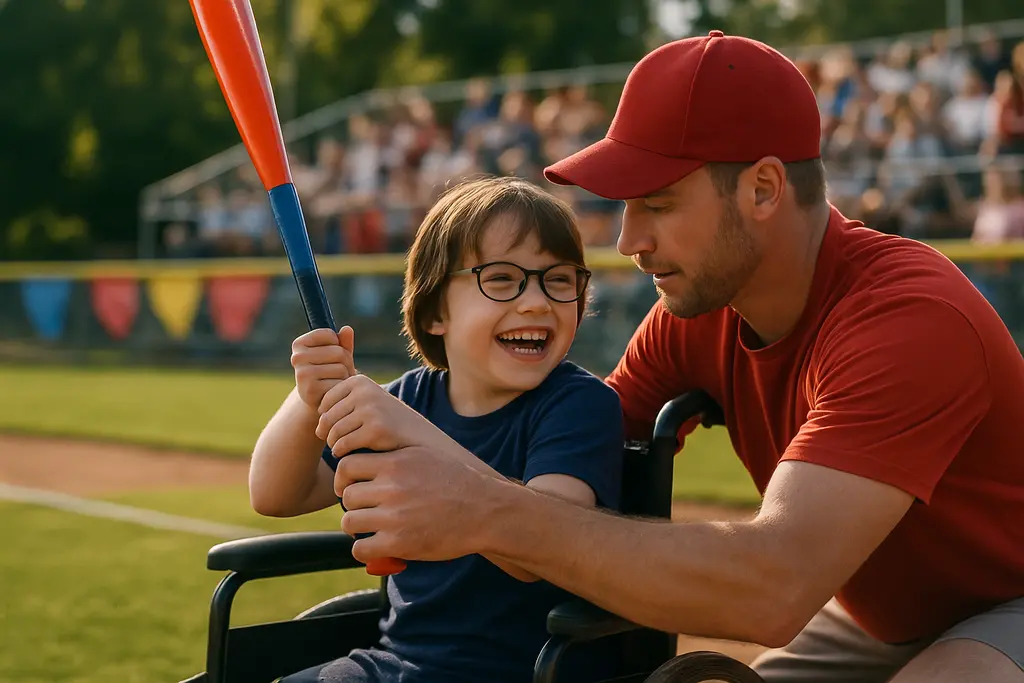
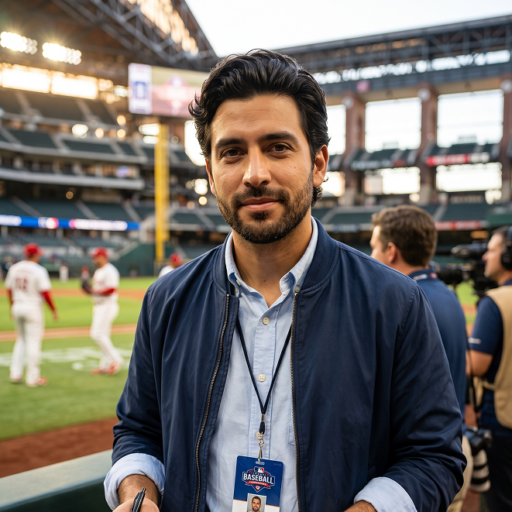
The Mansfield Miracle League field opened on August 18, 2026, at the Fields at Station 63 in Mansfield, Texas, giving athletes with physical and intellectual disabilities a local baseball setting built around access, comfort, and participation. The Texas Rangers Baseball Foundation celebrated the opening and reported that the field uses a cushioned, rubberized surface designed to accommodate wheelchairs and other mobility aids Rangers Foundation report.
That one field matters because baseball in Texas has always been more than standings and box scores. It is where families learn routines, where neighbors meet between innings, and where young athletes find out that a uniform can change how a community sees them. In Mansfield, the new Miracle League field brought that experience closer to home for players who have too often been asked to fit facilities that were not built for them.
Mansfield Miracle League Opens A Baseball Door
Mansfield Miracle League And The First At-Bats
The opening on August 18, 2026, was not simply a facility milestone. It marked a shift in who gets to claim baseball as a local tradition in Mansfield. A special-needs athlete stepping into the batter’s box is participating in the same ritual that has shaped Texas weekends for generations: family arriving together, volunteers helping with gear, teammates waiting near the dugout, and spectators reacting to a ball put in play.
The Texas Rangers Baseball Foundation’s involvement also tied the project to a larger North Texas baseball network. MLB.com reported that the Foundation gave $25,000 toward the field and has supported Miracle League programming across North Texas since about 2005. For local families, that connection carries weight. It links a neighborhood field in Mansfield with a Major League club whose community arm has long treated adaptive baseball as part of its mission.
For the Mansfield Miracle League, that backing helps send a clear message: athletes with disabilities are not guests on the edge of the sport. They are ballplayers. They deserve schedules, cheers, jerseys, dugout moments, and the small memories that families carry long after a game ends.
Why Local Access Changes The Family Routine
Accessible sports facilities change more than the playing surface. They change family planning. A nearby field can mean less time arranging transportation, less stress around mobility, and more chances for siblings, grandparents, classmates, and neighbors to be part of game day. Even without a full league schedule published in the official sources cited here, the opening itself established Mansfield as a community willing to place adaptive baseball inside its main sports infrastructure, not off to the side.
That placement matters culturally. When a Miracle League field sits within a larger sports complex, adaptive athletes share the same public sports space as other baseball and softball players. That helps normalize inclusion in a practical, visible way. A child heading to a game sees multiple versions of baseball happening near each other, and the message is direct: this sport has room for different bodies, different speeds, and different forms of competition.
How Accessible Field Design Changes Game Day
Rubberized Turf And Real Baseball Routine
The Mansfield Miracle League field’s cushioned, rubberized turf is the kind of design choice that sounds technical until a family uses it. Natural grass and traditional dirt can create problems for wheelchairs, walkers, and athletes who need steadier footing. A smoother surface reduces those barriers and lets the athlete focus on the play: swinging, moving around the bases, reacting to teammates, and enjoying the pace of a ballgame.
That design also supports volunteers and buddies who assist players. A safer, more predictable surface can make it easier for helpers to move beside athletes and keep the rhythm of the game intact. In baseball terms, that means fewer interruptions and more time spent on the parts of the sport that build confidence: taking turns, hearing a name announced, making contact, reaching a base, and crossing home plate.
From Adaptation To Belonging
Adaptive baseball is sometimes described only through what has been modified. But the stronger story is what those modifications protect. They protect the ceremony of baseball. They protect the right to be introduced as a player. They protect the shared family photo. They protect the sound of applause that belongs to the athlete, not the diagnosis.
In Mansfield, that is where sports-first design meets community culture. The field is not asking players to accept a lesser version of baseball. It is shaping the environment so the basic emotional structure of the game stays intact. Every base path, every at-bat, and every run scored can become part of the same baseball memory bank that Texas families have valued for decades.
Why Station 63 Matters To Mansfield Baseball

From Renovation To Recreation
The Fields at Station 63 had already become a major point of attention for Mansfield sports. The City of Mansfield’s Access Mansfield publication said the facility reopened on September 6, 2025, after a complete rebranding and multimillion-dollar renovation Access Mansfield update. Adding an adaptive baseball field after that reopening connected the renovation story to a wider question: who benefits when a city invests in sports space?
For many cities, sports complexes are measured by field count, tournament traffic, and weekend activity. Those factors matter, especially for local restaurants, hotels, service businesses, and family entertainment spots. But the Mansfield project adds another measure: whether public-facing sports development includes athletes who have not always been served by traditional facilities.
That is where this field fits the Texas baseball story. Towns across the state often rally around youth tournaments, high school playoff runs, and summer evenings at the ballpark. Mansfield’s new field places special-needs athletes inside that same civic pattern. It says that local sports identity should include the player who needs a mobility aid, the adult athlete who still wants a team, and the family that has waited for a nearby place to belong.
Community Value Beyond The Scoreboard
The value of the project is not limited to runs or standings. It can be seen in the way volunteers learn patience, how young spectators learn respect, and how local baseball culture grows more generous without losing its competitive spirit. Texas baseball has always had room for pride. The best version of that pride makes space for more people to wear the uniform.
There is also a business and civic layer. A field that brings families to a sports complex can support surrounding activity on game days and clinic days. Parents may stop for meals, siblings may join other sports programming, and local organizations may find new ways to support adaptive recreation. The official sources cited here do not provide economic totals for the field, so any financial impact should be treated as community potential rather than a measured result.
What Mansfield Miracle League Means For Local Baseball
A Local Standard For Belonging
What Mansfield built is specific: an accessible baseball field opened on August 18, 2026, with support from the Texas Rangers Baseball Foundation and a playing surface designed for athletes using wheelchairs and other mobility aids. What it represents is larger: a Texas baseball community choosing to treat access as part of the sport’s foundation.
The best measure of Mansfield Miracle League success will not be a single opening ceremony. It will be the ordinary scenes that follow: families packing equipment bags, players recognizing teammates, volunteers returning week after week, and spectators learning the names of athletes who had not always been given a local stage. Those scenes are how baseball becomes culture, and how culture becomes more inclusive without needing a speech to explain it.
For Mansfield, the field brings adaptive athletes into the center of a familiar Texas ritual. For North Texas baseball, it continues a long community thread tied to the Rangers Foundation’s Miracle League support. For families, it offers something plain and powerful: a place where their athlete can play ball close to home, with the same dignity and joy that every player deserves.