
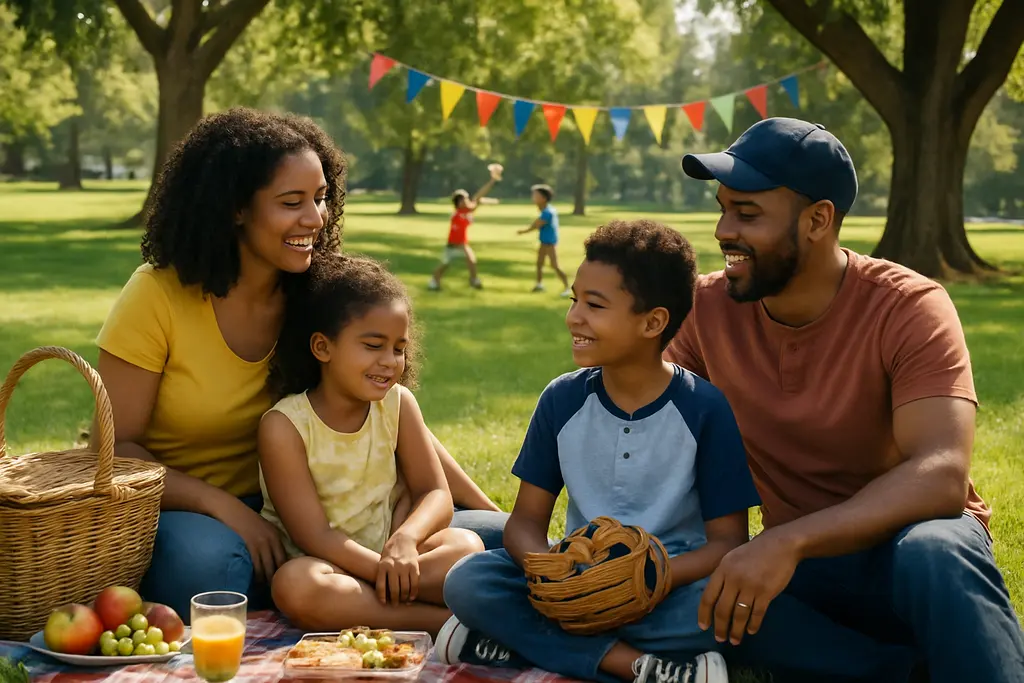

The Summer Games impact in College Station and Bryan was measured in hotel rooms, restaurant tables, full parking lots, and long days at competition venues after the Summer Games of Texas ran from July 30 to August 2, 2026. The event brought 7,584 athletes to the area and produced an estimated $8.1 million in local economic activity, according to the research supplied for this story. For Texas baseball families, the lesson is clear even when the event is multisport: youth athletics can shape a city’s rhythm far beyond the field of play.
College Station and Bryan have built a recognizable sports identity around large youth and amateur events. That identity matters to baseball because tournament travel, family attendance, venue operations, and small business traffic are shared parts of the same Texas sports culture. A weekend of track, swimming, tennis, boxing, pickleball, or other competition teaches the same civic lesson a packed baseball complex teaches every spring and summer: families follow athletes, and communities that host well earn repeat attention.
Summer Games Impact In College Station
Summer Games Impact By The Numbers
The 2026 Summer Games of Texas was a four-day event across College Station, Bryan, and the Texas A&M campus. It featured 10 sports and drew thousands of coaches and spectators beyond the 7,584 athletes. The reported $8.1 million injection into the local economy came through ordinary game-weekend spending: lodging, meals, fuel, retail stops, and other visitor purchases that collect around youth sports.
That Summer Games impact followed a strong 2025 edition. The 2025 Games were held from July 31 to August 3, 2025, with more than 7,100 athletes and about 10,312 coaches, family members, and friends accompanying them. College Station reported that the 2025 event generated about $6.5 million in economic impact College Station recap. Those figures show why local governments compete for amateur sports events with the same seriousness that coaches bring to bracket play.
Why The 2026 Dates Mattered
The July 30 to August 2, 2026 window placed the Games at a key point on the Texas sports calendar. School was approaching, families were making final summer trips, and local businesses had a chance to capture visitor spending before fall routines returned. Before the event, the City of College Station projected about 55,000 visitors across 10 major sports tournaments in summer 2026, with the Games of Texas listed for July 30 to August 2 as the highlighted event city tournament preview.
Because the event had already taken place by September 2, 2026, it should be read as a completed case study rather than an invitation to attend. The value now sits in what the weekend revealed: College Station and Bryan can absorb a large multisport crowd, direct families across multiple venues, and give restaurants, hotels, shops, and service workers a concentrated boost.
A Four-Day Test Of Sports Hosting
Venues, Schedules, And Family Movement
Large events ask a city to perform like a team. Venues have to open on time, staff needs to be ready, and families need clear routes between competition sites, food, lodging, and rest. The 2026 Games spread competition across both cities and the Texas A&M campus, which meant the economic activity did not sit in one corner of town. It moved with parents carrying coolers, athletes in warm-ups, siblings looking for lunch, and coaches checking schedules between events.
The track and field figures show the scale of that movement. Research notes report 5,029 participants in track and field alone, including 108 local participants, across 719 heats. On Saturday, 239 heats were held. That kind of schedule pressure creates long venue days and repeat spending opportunities. A family may buy breakfast near a hotel, grab lunch near the track, stop for supplies, and return for dinner after competition ends. None of those purchases is dramatic alone. Together, they explain how a youth sports weekend becomes a citywide economic event.
Records And Medals As Community Memory
The 2026 Games also carried athletic meaning beyond the spending figures. Research notes show 18 state records were broken and 403 gold medals were awarded in swimming and track and field combined. Those numbers matter because sports tourism is not only about visitor counts. It is also about memory. A young athlete who sets a record in Bryan or College Station carries that place name into family stories, recruiting conversations, and team traditions.
Baseball people understand that feeling. A tournament town is remembered through practical details: the field surface, the shade, the nearby taco stop, the hotel breakfast, the postgame meal, the drive home after a late finish. The Summer Games impact belongs to that same culture of remembered competition. It turns civic planning into family memory.
Culture, Commerce, And Baseball Lessons

What Baseball Can Learn From A Multisport Crowd
The Summer Games of Texas was not framed in the research as a baseball event, so it would be wrong to claim baseball drove the attendance. Still, Texas baseball can read the results with interest. The same families who travel for track, swimming, tennis, boxing, and pickleball often understand the demands of baseball tournament weekends: early alarms, bracket changes, weather concerns, crowded restaurants, and the need for dependable fields and staff.
The Summer Games impact shows that youth sports families reward cities that make long days easier. For baseball organizers, that means the work around the diamond matters: parking flow, concession planning, restrooms, shaded areas, clear scheduling, and good communication with nearby businesses. The game may decide the winner, but the host city shapes the experience families remember.
There is also a small-business story here. Concessions, local restaurants, equipment needs, and temporary event labor all connect sports to household income. That connection is familiar to anyone who has watched a baseball tournament turn a complex into a marketplace for food, gear, and part-time work, a pattern tied closely to game-day jobs across Texas baseball communities.
A Civic Identity Built Through Amateur Sports
College Station and Bryan have hosted the Games nine times as of 2026: 1988, 1994, 2000, 2014, 2015, 2018, 2019, 2025, and 2026, according to the research notes. That repeat hosting matters. It suggests a long civic commitment to amateur sports, not a one-off event pulled together for a single weekend.
For Texas baseball supporters, repeat hosting is the part worth studying. A strong baseball town is rarely built by one championship run or one new scoreboard. It grows through repeated trust: families know where to park, teams know the fields will be ready, vendors know the crowd patterns, and city staff know what pressure points to watch. The Games offered that pattern on a larger multisport stage.
What Summer Games Impact Means For College Station Baseball
Turning Visitor Spending Into Sports Trust
The reported $8.1 million from July 30 to August 2, 2026, gave College Station and Bryan a clear reminder that youth sports can carry real financial weight. For baseball, the next lesson is not to copy another sport’s format. It is to respect the full experience around competition. Families judge host communities from the first parking sign to the final meal before the drive home.
That is the Summer Games impact Texas baseball should carry forward. Amateur athletes brought the crowds, but the community response shaped the value. Hotels, restaurants, venue workers, volunteers, and local families all became part of the event. In a state where baseball and town pride often share the same summer nights, College Station’s 2026 Games showed how sports hosting can support both the scoreboard and the street corner business waiting after the final whistle, race, match, or game.