
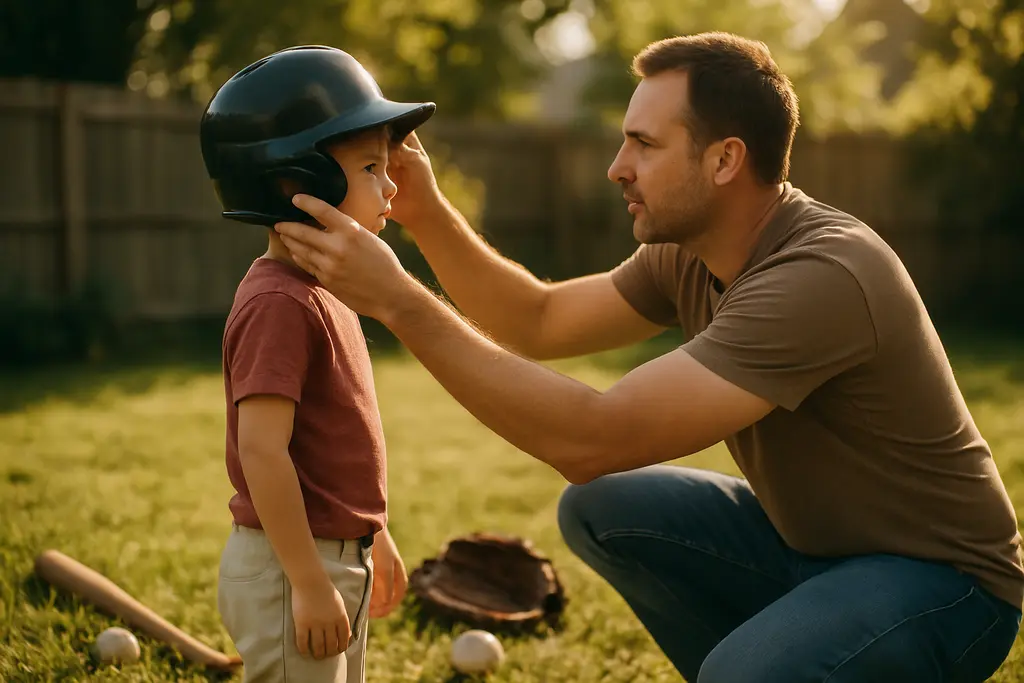

Across Texas, youth baseball costs have become more than a line in a family budget. They now shape which children get steady innings, which parents can handle tournament weekends, and which local diamonds remain true community gathering places. The available research for this story is national rather than Texas-only, so the local meaning should be read with care. Still, the pressure is easy to recognize in a state where baseball stretches from neighborhood leagues to select teams, school programs, and tournament travel.
The sharpest concern is not just the price of a bat, a glove, or a weekend hotel room. It is the way those pieces stack up over a spring and summer. Registration fees, uniforms, gas, meals, private instruction, missed work hours, and sibling care can turn a child’s sport into a year-round household decision. In baseball, a sport that has long depended on repetition, coaching, and time on the field, those costs can decide who stays in the player development pipeline.
How Youth Baseball Costs Reach Texas Homes
Youth Baseball Costs And Family Tradeoffs
The clearest national marker came on January 7, 2026, when The Washington Post reported that families were collectively spending $40 billion per year on youth sports, with club and travel teams helping drive that market. The same report included cases where a club baseball team could cost as much as $3,000 annually in team fees alone Washington Post report. For Texas parents, that kind of figure lands in a real setting: long drives between suburbs and smaller towns, tournament weekends that require meals away from home, and the expectation that players keep working outside team practices.
That matters because baseball development is built on steady access. A young catcher needs reps. A pitcher needs coaching that protects mechanics and workload. A hitter needs regular at-bats against good competition. If the path to those reps depends mainly on fee-based travel play, the sport risks narrowing the pool before high school coaches and college recruiters ever see some players at full strength.
For many households, youth baseball costs also compete with ordinary expenses that do not pause for tournament season. Rent, insurance, groceries, school supplies, and fuel all sit beside entry fees and equipment needs. Parents may not describe the decision as leaving baseball; they may frame it as skipping one tournament, passing on extra lessons, or choosing a lower-cost league. Each choice can be reasonable. Taken together, they can change who gets the same runway to improve.
Why Travel Ball Magnifies The Bill
Travel baseball can carry value when it is well-run: stronger competition, more games, different opponents, and added coaching. Texas has enough population centers and baseball interest to support a large tournament culture. That structure can help serious players test themselves, but it also shifts more of the development cost onto families. A weekend away is rarely just an entry fee. It can mean gas, hotel rooms, tournament meals, parking, replacement gear, and time away from work.
Those pressures do not hit all families in the same way. A parent with flexible work, reliable transportation, and extra cash can absorb a late schedule change more easily than a family working hourly shifts or sharing one car. The player on the field may have the same arm strength or bat speed as anyone else, but the family logistics behind that player can be very different.
Access Pressure On The Texas Baseball Pipeline
Who Gets To Keep Playing
A USA TODAY–Good Sports Cost of Play Index poll published September 17, 2026, found that 26% of parents said cost was the top reason they had considered pulling a child out of sports, and 77% believed the rise of private clubs and travel teams was pricing many children out Yahoo Sports coverage. That finding carries special weight in Texas baseball because the sport’s identity has always depended on broad participation: city parks, school fields, church leagues, sandlot games, and high school rivalries that bring whole towns to the fence.
In baseball, late bloomers matter. Some players grow into their bodies after middle school. Others need time before they control the strike zone, add velocity, or learn a new position. If rising fees push children out before that growth period, the sport loses more than a roster spot. It loses family stories, neighborhood pride, and players who might have become leaders for their schools.
There is also a cultural cost. Texas baseball is not only about elite showcases. It is about grandparents in folding chairs, parents keeping score, small businesses sponsoring jerseys, and players learning how to be part of a dugout. When participation tilts toward families that can afford higher costs, the ballpark becomes less representative of the communities around it.
School And Community Programs Carry More Weight
Because private options can be expensive, public school programs, city recreation leagues, and nonprofit baseball groups take on greater meaning. They can keep a player connected to the game even when a family cannot chase a heavy travel schedule. The level of play may differ from elite circuits, but the value is real: consistent coaching, safe fields, teamwork, and a place to belong after school.
This is where local leadership matters. Park departments, school districts, booster clubs, civic groups, and sponsors can help reduce barriers through field access, equipment swaps, fee assistance, and clear communication about costs. None of those steps erase the national spending trend, but they can keep more children close to the game.
Community Impact Beyond The Dugout
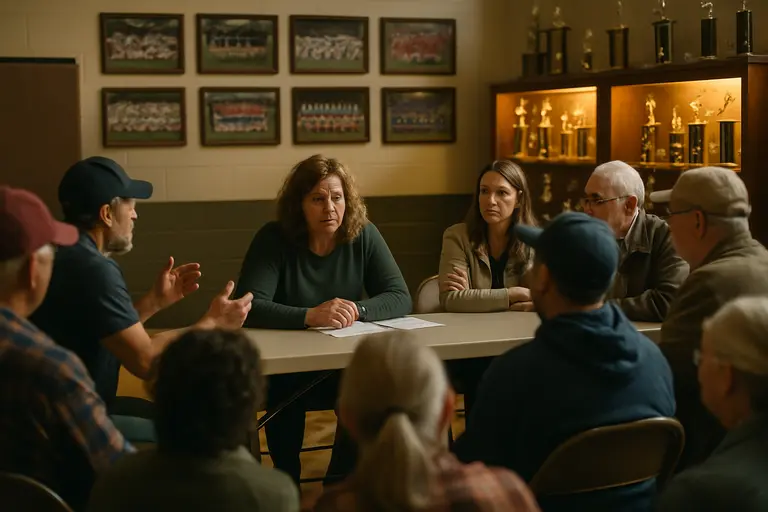
Rising fees affect local businesses in two ways. Tournament weekends can bring hotel stays, restaurant traffic, and retail spending to Texas communities. At the same time, if fewer families can afford to enter those events, the benefit becomes less widely shared. The local sports economy grows strongest when participation and visitor spending move together, not when one depends on families stretching past comfort.
Texas communities have already seen how youth tournaments can touch civic planning and small business activity, especially in towns that host traveling teams. That connection is part of the broader youth baseball economy in Texas, where fields, hotels, restaurants, and family schedules all meet on game weekends.
The family impact also reaches siblings and caregivers. A travel schedule can pull a household toward one child’s team for months. Brothers and sisters may spend weekends at ballparks rather than their own activities. Grandparents may help with rides or meals. In many Texas families, that support is given with love, but it is still labor. The cost of baseball is not only paid at registration.
- Direct costs can include team fees, uniforms, tournament entries, equipment, lessons, and facility rentals.
- Indirect costs can include gas, lodging, meals, missed work time, sibling care, and schedule strain.
- Community costs can include reduced access for families that cannot keep up with higher-priced development routes.
What Youth Baseball Costs Mean For Texas Diamonds
The key question for Texas baseball is not whether families should spend money on a sport they love. Many will, and many do so with pride. The harder question is whether youth baseball costs are starting to sort children too early by household income rather than interest, work ethic, and ability. If that happens, the game loses part of what makes it matter here.
Texas has the baseball culture to respond. Local leagues can publish full season cost ranges before sign-ups. Coaches can be clear about optional versus required expenses. Tournament organizers can consider formats that reduce overnight stays when possible. Sponsors can support fee relief without turning aid into a public label. Families can share used gear before another child’s season ends at the checkout counter.
Baseball in Texas has always been strongest when the diamond feels open. Keeping it that way will take honest talk about money, not just talk about talent. If communities want full dugouts, deep school rosters, and ballparks that reflect the towns around them, access has to stay part of the baseball conversation.