
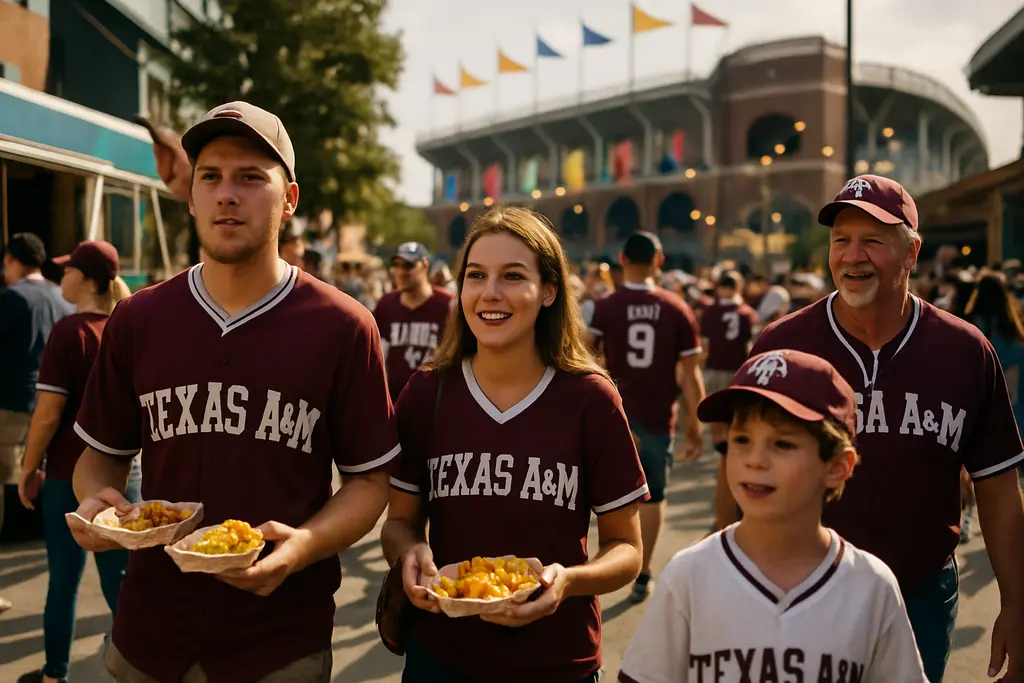

The Games of Texas Impact in Bryan-College Station was measured in athletes, hotel traffic, meals, and long days across local venues after the July 30-August 2, 2026 event. For Texas baseball communities, the value of that story is not limited to one multi-sport festival. It shows how a tournament calendar can turn youth competition into a local sports economy that reaches restaurants, retailers, hotels, city staff, families, and venue workers.
The 2026 Summer Games of Texas brought more than 7,584 athletes to Bryan-College Station and resulted in an estimated $8.1 million injected into the local economy, according to the city’s College Station recap. The event also featured 10 sports across venues in College Station, Bryan, and Texas A&M campuses. Those numbers matter because every visiting team usually carries a circle of coaches, parents, siblings, grandparents, and friends who spend far beyond the field or court.
Baseball towns in Texas know that rhythm. A weekend tournament can start before sunrise with batting practice or warmups, stretch into afternoon bracket play, and send families out for dinner between games. The Games of Texas offered a larger example of that same community pattern, with sports serving as the anchor for travel spending and local gathering.
Games of Texas Impact In Bryan-College Station
Games of Texas Impact In Bryan-College Station Venues
By the time the 2026 event ended on August 2, Bryan-College Station had hosted an athlete count large enough to change the feel of a summer week. More than 7,584 athletes came through the area, and the city reported 18 broken records at the event. Those performance markers gave the competition its sports value, while the $8.1 million estimate gave local leaders a clear way to describe what happened off the field.
That Games of Texas Impact came from more than ticketed competition or facility use. The research points to spending in restaurants, hotels, retail, and related services from athletes, coaches, family members, and spectators. In a college town and surrounding sports market, that means tournament organizers were not the only ones carrying the event. Front desk workers, kitchen staffs, fuel stations, grocery runs, sporting goods purchases, and late-night meals became part of the event’s footprint.
Why Multi-Sport Crowds Matter To Baseball Towns
Texas baseball communities can read this result through their own summer schedules. Youth baseball and softball events often ask families to plan around pool play, bracket seeding, weather delays, and multi-game days. When a city can host that traffic well, the tournament becomes a shared civic operation. Fields must be ready, parking must work, restaurants must absorb postgame crowds, and families need enough nearby lodging to make the weekend practical.
That same pattern has appeared in coverage of summer sports tourism in College Station, where youth competition has been tied to hotel, restaurant, and venue demand. The 2026 Games gave the region another public marker: sports travel can create measurable business activity while strengthening the identity of a place that already leans heavily into athletics.
What Local Businesses Gained From Tournament Traffic
Hotels, Meals, And Daily Spending
A four-day event with thousands of athletes changes routine commerce. Visiting teams need rooms, meals, bottled water, ice, replacement gear, laundry stops, and downtime between games. That does not mean every business gains equally, but the event structure pushes spending into many corners of town. Restaurants near venues may see rushes around game breaks, while hotels benefit from team blocks and family travel. Retailers can gain from forgotten equipment, extra snacks, and weather-related needs.
The Games of Texas Impact also gave local businesses a sports calendar they could plan around. A known event window from July 30-August 2 allowed staffing, inventory, and hours to be adjusted around expected demand. That kind of planning is familiar to baseball tournament hosts. A city that knows when bracket play begins can prepare concession stands, nearby eateries, and traffic support with more confidence.
Small Business Visibility Around Big Events
For local sports culture, the spending total is only part of the story. Tournament weekends introduce visiting families to places they may not have known before. A team meal can become a restaurant’s first contact with families from another Texas region. A sporting goods store can become the place a parent remembers after a broken bat, torn cleat, or lost glove. Even without claiming repeat visits, the first impression matters.
Baseball has long carried that community exchange in Texas. Families move between towns for weekend tournaments, compare facilities, talk about food options, and remember which places treated them well after a long day in the heat. The 2026 Games reflected the same travel culture at a larger scale. Sports were the reason people came, but local service shaped how they experienced the city.
Texarkana Shows The Same Sports Tourism Pattern
Swanger Sports Complex By The Numbers
Bryan-College Station was not the only Texas example in the 2026 research. At Swanger Sports Complex in Texarkana, 15 tournaments from February through June 2026 attracted about 43,000 visitors and 420 teams, with 61 percent of visitors coming from outside the local area, according to the city’s Texarkana report. The same report said those events drove about $6.5 million in direct visitor spending during the summer season.
The Texarkana figures matter for baseball-focused readers because sports complexes often sit at the center of tournament travel. The research did not list every sport tied to each event, so the better takeaway is the structure: teams came in, out-of-area visitors made up a majority share, and direct spending followed. That is the model many Texas baseball venues work within when they host weekend events.
Distance Traveled And Dining Demand
The Texarkana report also said Swanger Sports Complex saw a 431 percent increase in visitors from at least 100 miles away and a 68 percent increase in dining visits associated with tournament events between February and June 2026. Those details help explain why city leaders pay attention to sports venues. A nearby team may buy concessions and head home. A traveling team often books rooms, eats multiple meals, fills gas tanks, and spends around the schedule.
That is where local business impact becomes cultural impact. Tournament travel brings families into contact with neighborhoods, service workers, local food, and community spaces. In baseball terms, a sports complex is not just a set of diamonds or cages. It is the place where a town welcomes visiting families and shows whether it can support the long, demanding pace of youth sports.
How Sports Tourism Shapes Texas Baseball Culture
Player Development Meets Community Planning
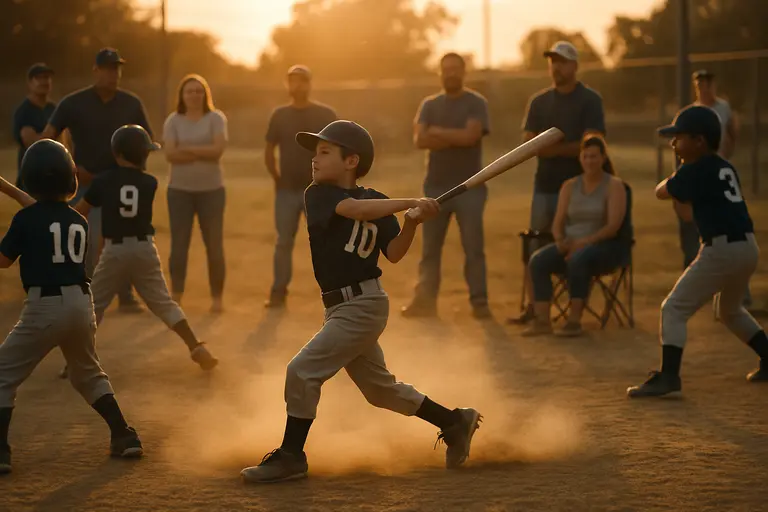
For players, tournament travel is about competition, repetition, and testing skills against new opponents. For parents and coaches, it is also about logistics: arrival times, hotel costs, meals, rest, and field access. Cities that understand those needs can make the sports experience smoother without losing sight of the athlete. The best local planning keeps the game central while recognizing everything that surrounds it.
In Texas baseball, that balance is part of the culture. A tournament weekend can be a family trip, a scouting chance, a team-building moment, and a local business weekend all at once. The athlete may remember a key at-bat or defensive play. Parents may remember whether parking worked, whether food was close, and whether the city felt prepared for visitors. Coaches may remember field conditions, schedule flow, and how quickly teams could move between games.
Why City Reports Matter To Sports Communities
Official city reports give sports communities a shared set of facts. Instead of relying on guesswork, residents and business owners can see athlete counts, visitor patterns, and spending estimates. That helps frame debates about facility upkeep, staffing, event bids, and public resources. It also helps baseball families understand why cities invest time and money in sports infrastructure.
Numbers do not replace the human side of Texas baseball, but they explain why weekend tournaments carry weight beyond a scoreboard. A city that hosts well can support young athletes and local commerce at the same time. A city that ignores logistics risks making the experience harder for families and less useful for businesses.
Why Games of Texas Impact Matters To Texas Baseball Towns
The 2026 numbers from Bryan-College Station and Texarkana point to a clear lesson for Texas baseball towns: organized sports travel can be a major local event even when it is spread across routine places such as hotels, restaurants, parks, and stores. The Games of Texas Impact was not just a headline figure. It was a picture of how competition moves people through a community.
For baseball communities, the question is how to handle that movement with care. Fields need maintenance. Families need clear schedules and sensible access. Local businesses need enough notice to staff properly. Young athletes need a setting that supports performance without turning the weekend into a burden. When those pieces come together, sports tourism can strengthen community pride while keeping the focus where it belongs: on athletes, teams, and the Texas towns that host them.