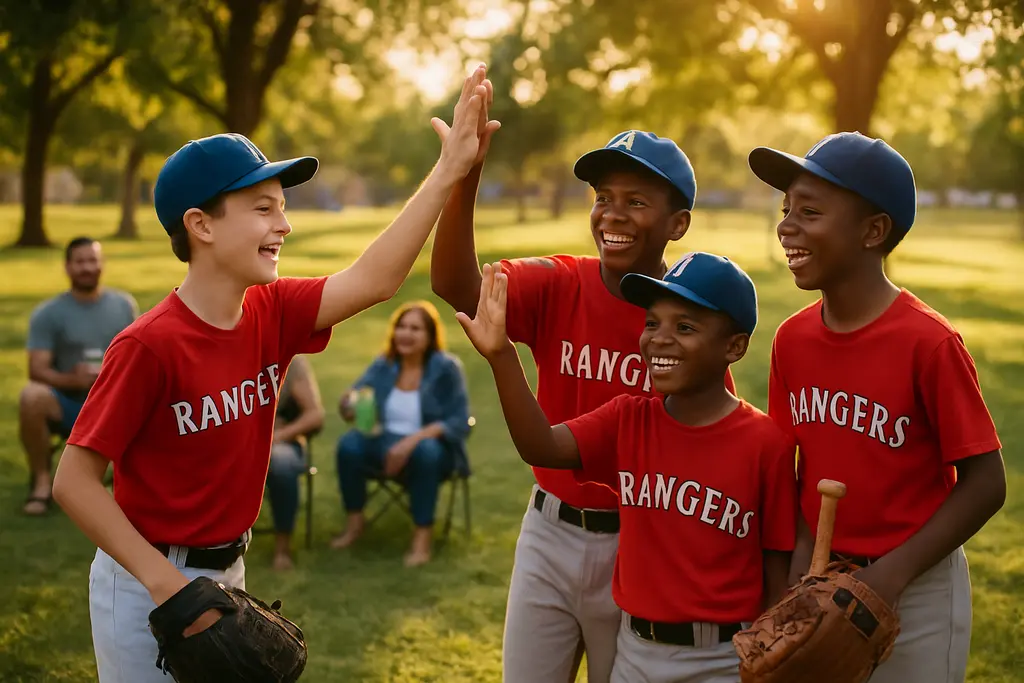

In West Dallas, the Rangers Youth Academy is more than a place where young players take ground balls and learn swing paths. It is a baseball address tied to neighborhood identity, family schedules, school-year routines, and the larger question of who gets access to the game in Texas. Since opening on December 19, 2017, the Academy has connected professional baseball resources with a part of Dallas where community trust matters as much as field space.
The Rangers Youth Academy And West Dallas Roots
Why The Rangers Youth Academy Site Matters
The Texas Rangers MLB Youth Academy at Mercy Street Sports Complex officially opened in West Dallas on December 19, 2017, as a 17-acre complex built through partnerships involving the Rangers, Major League Baseball, Mercy Street, Toyota, the Players Association, and others official opening announcement. That detail matters because the story begins with land, access, and partnership. Youth baseball often depends on the uneven luck of neighborhood fields, family transportation, and program costs. A 17-acre home base in West Dallas gave the sport a fixed place where families could build routines around practices, camps, league play, and community events.
The Academy also arrived with civic meaning. The project cost about $21 million, was the ninth MLB Youth Academy in the country, and was the first Academy developed in partnership with a public housing authority, the Dallas Housing Authority DHA annual report. For West Dallas, that partnership placed baseball inside a wider conversation about housing, youth opportunity, public space, and the role a major league club can play beyond its ballpark.
A Baseball Address With Civic Weight
The Rangers Youth Academy sits at the meeting point of sports instruction and community presence. On one level, its purpose is clear: teach baseball and softball to young athletes. On another level, its location makes the fields part of the local calendar. Families return for training sessions, youth games, school support events, and seasonal gatherings. The repetition is the point. Community impact is rarely made in one ceremony or one clinic; it grows when a place becomes familiar enough that parents, coaches, and children see it as part of normal life.
That matters in Texas baseball culture, where diamonds often double as public meeting grounds. A practice can become a family reunion. A Saturday game can bring grandparents, siblings, neighbors, and former players into the same space. In West Dallas, the Academy gives that culture a structured venue with professional ties, but its strongest value is local: it offers a regular place for young people to belong.
Access, Training, And Family Support
Free Instruction Changes The Weekly Rhythm
Programs at the facility are free for youth ages 7 to 18. The offerings include year-round baseball and softball instruction, five-week seasonal training sessions in winter, spring, summer, and fall, plus summer league play through MLB’s Nike RBI program for ages 13 to 18. For families, free access changes the math. It can reduce the pressure of choosing between sports instruction and other household needs. It can also let a young player stay with the game long enough to grow into the next level of competition.
The 2026 Fall Youth Program in West Dallas runs from September 8, 2026, to November 19, 2026, and is open to youth ages 7 to 12 with free registration. As of October 10, 2026, that program was in progress. The dates are useful because they show the Academy’s work is not limited to summer baseball. Fall programming keeps children active after school starts, when family calendars often tighten and daylight begins to shrink.
Family Services Around The Ballfields
The Academy’s cultural impact also comes from what happens beyond batting cages and field drills. Educational and family support services are provided with help from Buckner International, which operates a satellite Family Hope Center at the site. Those services include adult classes in English and Spanish, job skills training, financial empowerment, parent coaching, and life skills programs.
That mix is especially meaningful because youth sports do not exist apart from family life. A player’s ability to keep showing up can depend on transportation, work schedules, household stability, school support, and parent confidence. By placing family services near baseball and softball programming, the Academy links athletic development with daily needs. That is where the cultural story deepens: the ballfields become a front door to support, not just a destination for competition.
The Academy has also hosted social and community events in West Dallas, including school supply distributions, Thanksgiving meal distributions, holiday celebrations, baseball equipment giveaways, and back-to-school support. Those events speak to a Texas baseball tradition that stretches beyond innings. The sport becomes a gathering language. Families may arrive for equipment or school supplies, but they also step into a shared community space where the Texas Rangers brand is tied to neighborhood service.
Fields, Identity, And The West Dallas Baseball Story
Legacy Field And Shared Memory
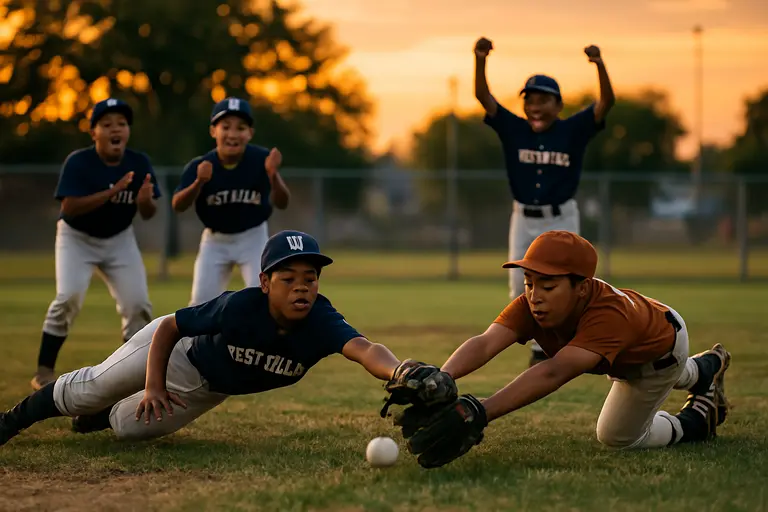
In July 2024, MLB and the Rangers unveiled Legacy Field, a renovated turf field using the same turf from Globe Life Field where the Rangers won the 2023 World Series. The upgrades included new fencing, netting, a scoreboard, shade structures, and the ability to divide the field into mini-fields for U9 and U12 players. For young athletes, that connection between a major league championship field and a neighborhood youth field carries a kind of local symbolism that statistics cannot fully catch.
Texas baseball families understand the power of touching the game in real ways. A child may not frame the turf in historic terms, but the message is plain: the same organization that lifted a World Series trophy also invested in a playing surface for children in West Dallas. That does not solve every barrier in youth sports, and it should not be treated as a substitute for long-term community accountability. Still, the field upgrade gives young players a visible reminder that their games have value.
College Pathways And Local Pride
As of July 2024, the Academy had reached about 125,000 cumulative participants since opening, with annual enrollment around 5,000 youth. Athletic outcomes also show up in the player pipeline: each year, approximately 15 to 30 Academy athletes go on to play collegiate baseball or softball. Reported participation data from West Dallas ZIP codes 75212 and 75211 showed 285 players from 75212 and 314 from 75211, together accounting for about 20% of registered participants.
Those numbers help explain why the program matters to Texas baseball followers. It is not just a charitable extension of a major league club. It is part of a development path for players who may first learn the game close to home, then move into high school competition, summer showcases, college opportunities, and adult mentorship roles. For more on how West Dallas fields and instruction have widened access, our West Dallas academy coverage follows the same community thread.
The college pathway is only one measure, though. Many children who pass through the Academy will not play after high school, and that does not lessen the value of their experience. Baseball teaches timing, failure, patience, teamwork, and accountability in public. A strikeout happens where everyone can see it. So does the next at-bat. In a neighborhood setting, those lessons can outlast a season.
Why Rangers Youth Academy Still Matters In West Dallas
The Measure Is Bigger Than A Box Score
The strongest reading of the Academy’s impact is cultural, not just athletic. It gives West Dallas families a place where professional baseball resources meet local tradition. It links youth training with family services. It places community events on fields that children know by name. It also gives the Rangers a continuing presence in Dallas beyond game nights and scoreboards.
The Rangers Youth Academy still matters because Texas baseball is built from these local scenes: a parent waiting near a backstop, a coach teaching footwork, a child carrying donated equipment, a family finding support next to a field, a teenager seeing college softball or baseball as possible. In West Dallas, the Academy’s meaning comes from that steady contact between sport and neighborhood life. The wins that show up later may begin with a free practice, a safe field, and a community that keeps showing up.