
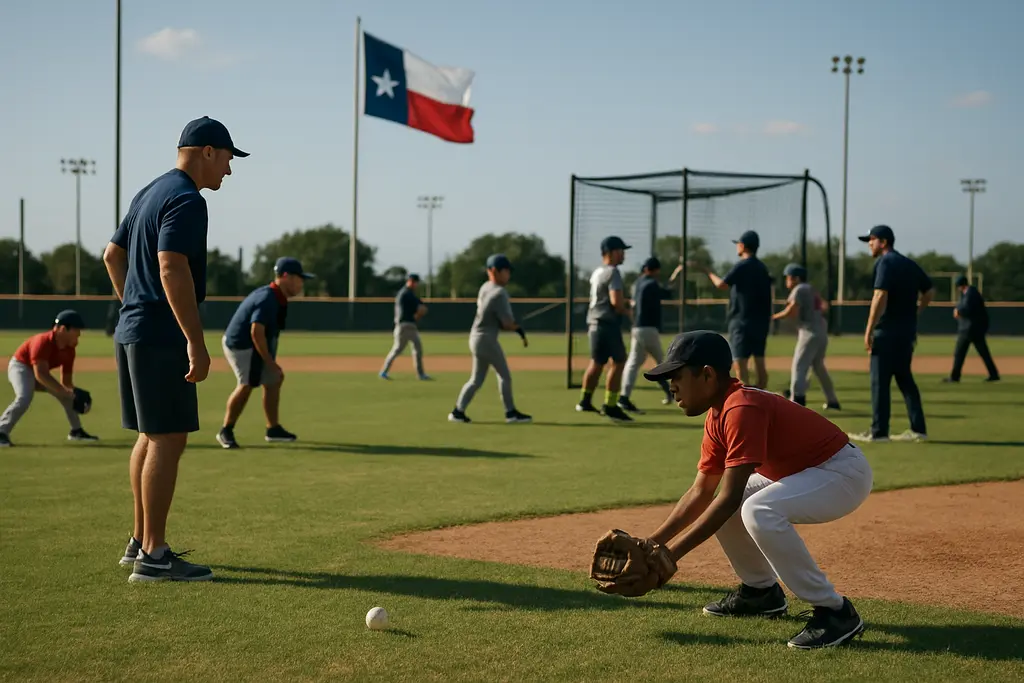

Texas Youth Camps now sit at the center of a bigger youth sports conversation across the state. For baseball families, the camp calendar has always been about reps, coaching, confidence, and the chance for a player to grow away from the regular team routine. After the July 4, 2025 Hill Country flood at Camp Mystic, the conversation also includes emergency planning, communication, licensing, and trust. A state report said the flood killed 25 campers, two counselors, and the executive director at Camp Mystic state report.
The change matters well beyond traditional overnight camps. Baseball development in Texas often depends on short windows: a weekend evaluation, a fall instruction camp, a summer skills session, or a multi-day team event that asks families to travel. When camp rules change, the effects reach coaches, parents, small-town hosts, local businesses, and players trying to build a path in the sport without leaving their communities behind.
Why Texas Youth Camps Changed After 2025
The shift began with grief and then moved into law. Texas lawmakers passed new camp safety requirements after the July 4, 2025 flood. The laws began going into effect on September 5, 2025, and they changed what camp operators had to show before families arrived. The Texas Department of State Health Services said the Youth CAMPER Act and Heaven’s 27 Camp Safety Act were signed by the Governor on September 5, 2025 DSHS rule update.
Those measures put new attention on emergency plans, annual updates, parent notification of floodplain risks, camper orientation, sharing plans with local emergency services, and enforcement through inspections, complaints, license suspension, or license denial. The research notes also describe stricter safety measures such as emergency training, communication systems, and prohibiting cabins in FEMA-designated floodplains.
Safety Rules Meet Sports Planning
For a baseball coach, the field work is only one part of a camp. The other part is the setting that surrounds it. A parent wants to know who is teaching the swing, who is watching the dugout, how weather will be handled, and what happens if cell service drops during a fast-moving storm. Those questions used to sit in the background. They now belong near the top of any camp discussion.
This does not make every sports camp unsafe, and it does not mean families should treat every program the same. It means camp operators, including those tied to athletics, are being judged by clearer safety expectations. That can help families compare programs by more than a logo, a coach’s name, or a promise of better skills.
Texas Youth Camps And Baseball Families
Texas Youth Camps carry a special weight in baseball because the sport is built on repetition and long-term relationships. A short camp can introduce a player to a new position, a new throwing routine, or a new way to understand failure. It can also connect a family with coaches and other families from nearby towns. In Texas, those relationships often become part of the youth baseball network that stretches from local rec fields to high school diamonds and college campuses.
The safety changes ask that same network to grow up a little. Families can still value instruction, competition, and community, but they can also ask sharper questions about the care structure around the athlete. That is healthy for a sport that depends on trust as much as talent.
Texas Youth Camps And The Player Development Pipeline
Texas Youth Camps are not just places where young athletes fill open dates on a calendar. They can be stepping stones in a player’s development. A well-run camp can show a middle school player how to practice with purpose. It can give a high school player a clearer sense of where he stands. It can give a parent a better read on whether a program values instruction or only volume.
Baseball families in Texas already make these choices with care. They weigh drive time, camp fees, coach access, roster fit, and whether the instruction matches a player’s age. On this site, we have tracked how Texas fall camps shape prospect paths, especially for families trying to balance exposure with school schedules and travel costs. The new safety focus adds one more layer to that planning, but it should not push the baseball piece out of view.
Development Is More Than Instruction
A young baseball player does not grow only by taking more swings. Development also includes listening, handling pressure, caring for equipment, responding to coaching, and learning how to be part of a group. Camps can support that growth because they take players out of the normal rhythm of league games and place them in a setting built around teaching.
That is why access matters. If only families with large travel budgets can reach quality instruction, the state loses part of its player base. If rural operators struggle to meet new standards, communities may feel it first through fewer nearby choices. The research notes described pressure on rural camps under the new rules, including closures, scaled-back offerings, and fewer active camps compared with December 2025. That pressure is worth watching because local baseball often depends on nearby, affordable development chances.
Community Trust Shapes Registration
Trust is now part of the registration decision in a direct way. Parents can still ask who is running the pitching station or whether catchers will receive position-specific work. They can also ask who updates the emergency plan, when local emergency services received it, and how parents are notified about site risks.
For coaches, this can be an opportunity rather than a burden. Clear safety communication can help families feel more comfortable sending young athletes to a camp. It can also show that a program sees players as children first, not just prospects. In Texas baseball, where community reputation travels fast, that kind of care can mean as much as a radar reading.
Questions Families Can Ask Before Registration
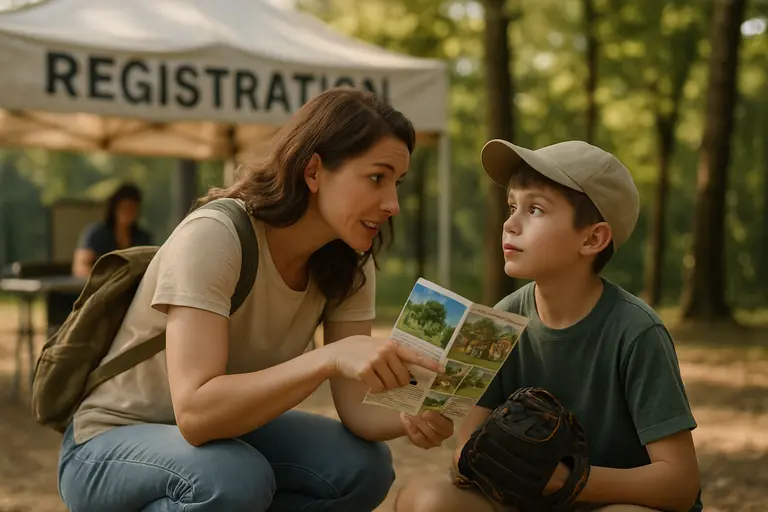
The best camp decisions usually come from direct questions. Families do not need to become regulators, but they can ask for the information that the new laws placed in the spotlight. A camp that is prepared should be able to explain its safety plan in plain language.
Parent Questions For Camp Directors
- Has the camp updated its emergency plan for the coming session?
- How are campers oriented on emergency procedures after arrival?
- How are parents notified if a site has floodplain risks?
- Has the camp shared its emergency plan with local emergency services?
- What communication systems are in place if weather or power problems affect the site?
- What is the camp’s current licensing status under Texas youth camp rules?
Those questions fit overnight camps, multi-day sports camps, and development programs where families leave a child in the care of adults for long stretches. They also fit baseball’s culture, where parents often trust coaches with rides, meals, practice time, and emotional guidance after a hard day on the field.
Baseball Questions For Coaches
Baseball-specific questions still matter. Parents can ask how players are grouped, how much throwing volume is expected, whether catchers and pitchers are monitored, and how instruction changes by age. None of those questions replace safety planning. They sit beside it.
A strong camp should be able to explain both sides: how it teaches the game and how it protects the child. That balance can help families separate serious development programs from events that offer a busy schedule but little structure. In a state with as much baseball talent as Texas, the difference matters.
Why Texas Youth Camps Matter To Baseball Communities
Texas Youth Camps matter because baseball in this state is passed through people. Coaches teach what their coaches taught them. Parents trade notes in parking lots. Local businesses support teams, tournaments, and travel. A camp can become part of that chain when it gives young players a safe place to learn, fail, adjust, and return home with a better feel for the game.
The next chapter for Texas Youth Camps will be judged by more than how many sessions fill or how many athletes sign up. It will be judged by whether programs can protect children, communicate clearly with families, and keep development within reach for communities across the state. For Texas baseball, that is the heart of the issue: building better players without losing sight of the families and towns that make the sport matter.