
Youth baseball grants became a clear local sports story on September 3, 2026, when the Texas Rangers Baseball Foundation and Globe Life awarded $120,800 to 18 nonprofit youth baseball and softball programs across Texas, Louisiana, and Oklahoma, with funds marked for facility upgrades, equipment, uniforms, and field projects Rangers announcement. For Texas communities, that kind of support lands beyond the scoreboard. It reaches practice nights, volunteer workdays, family budgets, and the diamonds where kids first learn how baseball and softball can hold a neighborhood together.
The news also fits a longer pattern. From 2012 through 2026, the same Rangers and Globe Life program granted more than $1.4 million to over 165 organizations across the Rangers’ five-state territory of Texas, Oklahoma, Louisiana, New Mexico, and Arkansas, according to the team’s announcement. That record gives the September 2026 awards a wider meaning: this was not a one-night ceremony or a photo opportunity. It was part of a steady effort to keep youth baseball and softball programs stocked, playable, and connected to their communities.
How Youth Baseball Grants Reached Local Programs
Youth Baseball Grants And Field Access
Field access is one of the most practical parts of this story. The Rangers and Globe Life awards were directed toward needs that local leagues know well: facility upgrades, equipment, uniforms, and field projects. Those categories may sound basic, but they are often the difference between a league that can welcome more players and one that has to turn families away because costs or field conditions have tightened the gate.
For Texas baseball families, youth baseball grants can help ease pressure at the point where sports become expensive. A glove, a batting helmet, catcher’s gear, uniforms, field maintenance, and safe playing surfaces all add up. The Rangers announcement did not provide player-by-player savings, so no exact family cost impact can be claimed from the public release. What can be said is that the grant purposes were tied directly to the things local programs need to put teams on the field.
Why The Rangers’ Territory Matters
The five-state reach of the program matters because Texas baseball culture has never stopped at one city limit. The Rangers’ footprint connects Dallas-Fort Worth with smaller towns, border communities, rural leagues, and neighboring states where the club’s identity still carries weight. A grant to a local nonprofit can bring the major league club into a neighborhood in a way that feels concrete: fresh gear, repaired facilities, or a field project that volunteers can see when they arrive for practice.
That connection is part of the cultural value of baseball in Texas. The sport is passed down through parents who coach, grandparents who keep score, teachers who open cages after class, and local sponsors who buy outfield signs because they know the kids by name. Money alone does not create that culture, but targeted support can help protect the places where it grows. That is why the 2026 award total carries community meaning as well as financial meaning.
What The 2026 Awards Supported
Equipment, Uniforms, And Safer Practice Spaces
The supported categories from the September 3, 2026 announcement point to the daily work of youth baseball and softball. Facility upgrades and field projects address the spaces where practices and games happen. Equipment and uniforms address the shared needs that can decide whether a child feels ready to participate. In many local leagues, the first victory is not a box score; it is getting every player dressed, equipped, and able to take the field with confidence.
- Facility upgrades for local baseball and softball sites
- Equipment for youth programs that serve nonprofit leagues
- Uniform support for teams and organizations
- Field projects tied to playability and program needs
The Rangers and Globe Life did not publish every local project detail in the research provided here, so any claim about a specific field repair, dugout, batting cage, or league outcome would go beyond the verified record. The confirmed fact is narrower and still meaningful: $120,800 went to 18 nonprofit programs for baseball and softball needs across Texas, Louisiana, and Oklahoma.
How Softball Fits The Same Community Story
Softball should not be treated as an extra line in the announcement. The Rangers and Globe Life grants supported youth baseball and softball programs together, and that matters in Texas towns where girls’ sports are central to school pride and family schedules. A local softball field can be just as important to a community’s identity as the high school baseball diamond, especially when sisters, brothers, cousins, and classmates spend spring and summer evenings at the same sports complex.
Grant programs that include softball recognize that the local player pipeline is broader than one roster or one league. Coaches share facilities. Families move between baseball and softball games on the same night. Concession stands, umpire crews, volunteers, and local vendors often support both. In that sense, youth baseball grants carry a wider youth sports impact when they include softball access and field needs.
Local Sports Culture Beyond The Check
Volunteers Turn Funding Into Baseball Nights
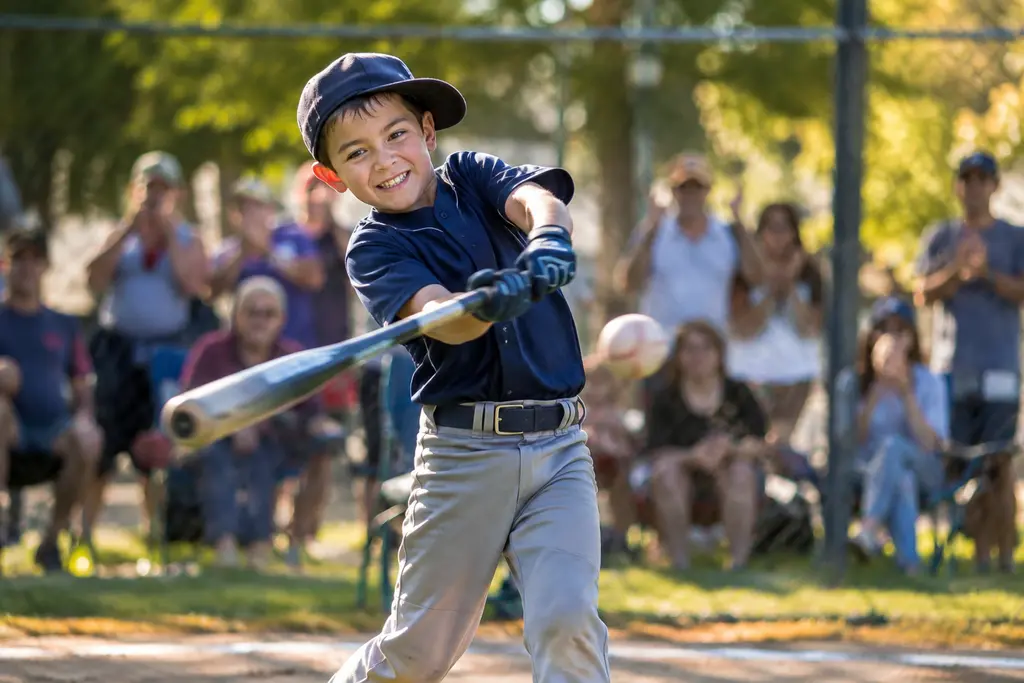
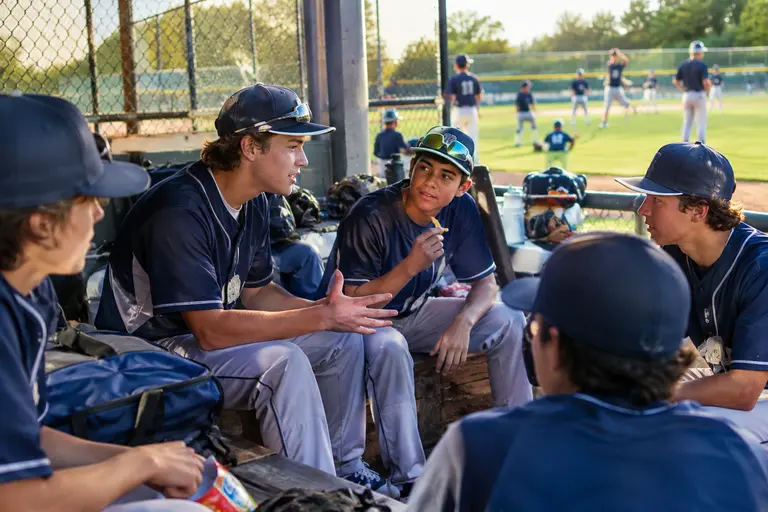
A grant can buy gear or help fund a project, but volunteers turn that support into a season. Texas youth baseball and softball depend on people who line fields, organize registration, run scoreboards, sell snacks, and send schedule updates after long workdays. The September 2026 awards are best understood with those people in mind. Foundation dollars may start the process, but the community finishes the work.
That is why the Rangers and Globe Life program fits the identity of local baseball. A major league brand can help direct attention and resources, while local nonprofits decide what their players need most. The result is a shared structure: the club’s foundation, a corporate partner, nonprofit programs, coaches, families, and players all tied to the same diamond. For readers tracking related support across the state, our coverage of Rangers grant support follows the same local thread.
A Regional Model With Wider Public Interest
The Texas story also sits beside other public and nonprofit efforts around youth baseball and softball in the United States. In Florida, a Local Funding Initiative Request filed on January 5, 2026, showed Walk Off Charities requesting $750,000 in state funds for fiscal year 2026-2027 as part of a $1.3 million project to expand youth baseball and softball programs for under-served youth across northeast Florida Florida funding request. The research provided does not confirm approval of that request, so it should be read as a filed proposal, not as completed funding.
That Florida filing is useful context because it shows how baseball and softball access can become a public policy issue as well as a sports charity issue. Whether money comes through a team foundation, a corporate partner, or a government funding request, the core questions are similar: Which children get access? Which fields stay playable? Which communities have the facilities, equipment, and coaching structure to keep kids involved?
Why Youth Baseball Grants Matter In Texas
Baseball Access Starts Close To Home
Youth baseball grants matter in Texas because the game starts locally long before a player reaches a varsity roster, a college campus, or a professional scout’s notebook. It starts with a safe field, a coach who has enough gear for practice, a uniform that makes a child feel part of the team, and a family that can say yes to participation. The September 3, 2026 Rangers and Globe Life awards supported those building blocks.
The confirmed numbers are clear: $120,800 to 18 nonprofit programs in 2026, and more than $1.4 million to over 165 organizations since the program began in 2012. The cultural meaning sits inside those figures. Each grant represents a local program trying to keep baseball and softball within reach. In a state where ballfields often double as gathering places, that support helps preserve more than a schedule. It helps keep community baseball nights alive for the next group of players, parents, and coaches.