Texas Fall Camps have become one of the clearest windows into how young baseball players in the state are evaluated, coached, and measured before the next high school or college season arrives. As of October 22, 2026, the fall camp calendar had already opened in parts of Texas, while several major dates still sat ahead on the schedule. That timing matters for families who plan travel, for coaches who sort through prospect groups, and for communities that treat baseball weekends as part of local identity.
The value of these camps is not only in radar readings or batting practice rounds. It is in the shared rhythm of Texas baseball: early drives, packed gear bags, parents comparing notes near the backstop, and players learning how they stack up outside their home district. College Station and Tomball offer two clear examples. Texas A&M announced an eight-camp fall schedule running from September 26 through December 13, 2026, according to the school’s official camp dates. Perfect Game also listed the PG Fall South Texas Showcase for October 31-November 1, 2026, in Tomball, with prospect classes from 2027-2030 included on the event page.
For Texas baseball families, these dates are more than marks on a calendar. They help shape choices about where a player should be seen, what kind of instruction fits his stage, and how much travel makes sense during the school year. For local baseball culture, they keep the sport active after summer tournaments end and before spring lineups are set.
Why Texas Fall Camps Carry Scouting Weight
Texas Fall Camps And The Calendar Shift
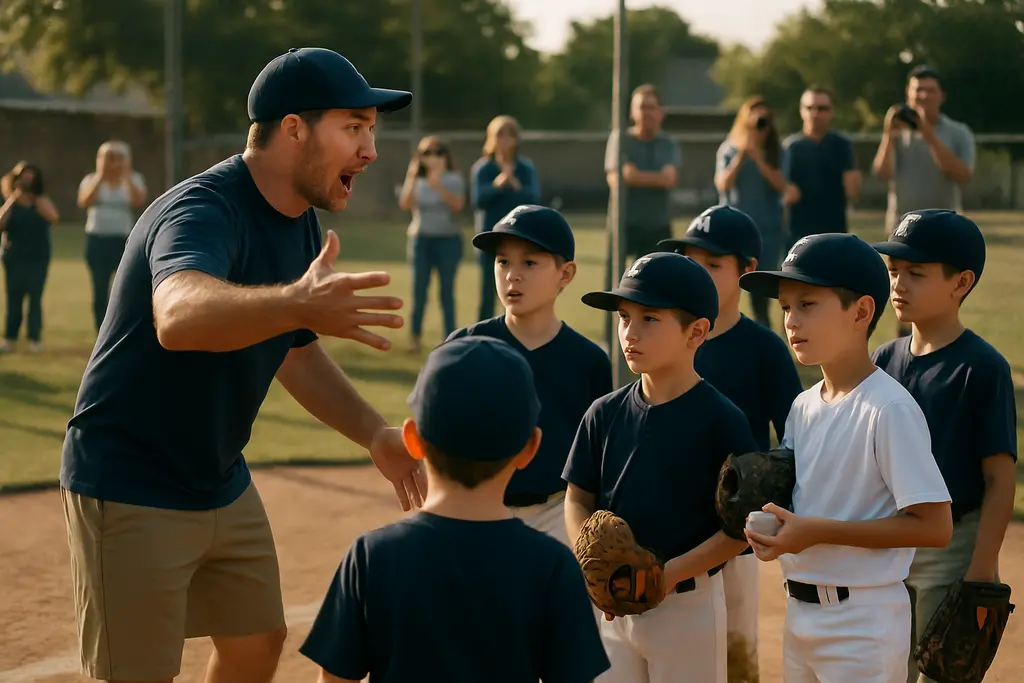
Texas Fall Camps sit in a valuable part of the baseball year because they come after summer tournament play and before many school teams begin their full spring build-up. That gap gives players time to show growth in a setting that can be more instruction-based than tournament weekends. A hitter may get direct feedback on swing decisions. A pitcher may be asked to repeat mechanics under controlled work. A catcher may be judged not only on pop time, but also on receiving, blocking, and communication.
That matters in a state as large as Texas. A player from the Gulf Coast, East Texas, Central Texas, or the Metroplex may not always share the same summer circuit as another prospect. Fall events help gather talent into places where evaluation can happen with fewer assumptions about school size, travel team name, or hometown reputation.
What Coaches Can See In Person
Texas Fall Camps are not the same as a box score. Coaches and evaluators can watch how a player warms up, how he listens, how he handles instruction, and how his tools translate from drills into game action. Those parts of the day can carry real meaning for a prospect trying to move from being a good local player to a recruitable athlete.
There is also a cultural piece here that Texans understand. Baseball in the state has always relied on local trust: high school coaches talking with college staffs, families comparing camp experiences, and players earning chances through repeated performance. Fall camps add structure to that word-of-mouth system. They do not replace high school baseball or summer competition, but they give families another setting where instruction and exposure meet.
College Station Dates Set The Tone
A&M’s Fall Window
Texas A&M’s 2026 fall schedule stands out because it stretches from late September into mid-December. The official announcement listed eight camps across that window, giving families multiple entry points depending on age, schedule, and development need. The research notes for this topic identify a Fall Prospect Camp on November 21-22, 2026, for advanced players ages 13-19, built around college-level instruction, scrimmages, evaluations, and drills. Since October 22, 2026, came before that date, that camp was still ahead on the calendar at the time of this story.
That kind of two-day format can matter for evaluation. A one-day workout may capture tools, while a multi-day setting can reveal how a player adjusts after feedback. If a hitter is beaten inside during a scrimmage, does he make a change the next day? If a pitcher struggles to land a breaking ball, does he compete with another pitch or lose rhythm? These are baseball questions, but they also speak to maturity.
Family Planning In Aggieland
College Station carries its own baseball meaning. A camp there is tied to a college town where sports weekends are part of the local routine. Families planning around a fall date think about school work, driving time, hotel costs, meals, and whether younger siblings are coming along. That planning can influence who gets access to instruction and who has to be more selective.
This is where community-focused baseball coverage has to be honest. Camp calendars create opportunity, but they also ask families to make choices. A player may benefit from a high-level setting, yet the cost of travel and time away from home can be real. For parents comparing options, our related look at fall prospect camps breaks down how dates, caps, and costs shape development paths across Texas.
Tomball Showcase Puts South Texas On Display
A Showcase With Regional Pull
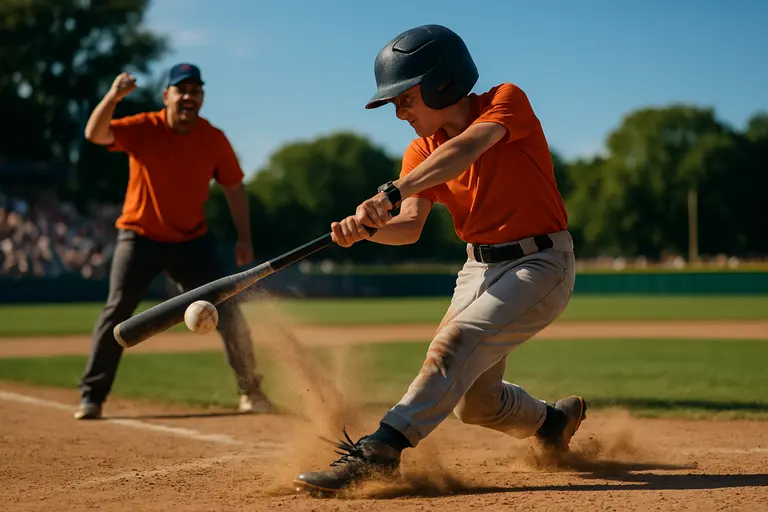
The PG Fall South Texas Showcase in Tomball was scheduled for October 31-November 1, 2026. Perfect Game’s listing placed the event after October 22, 2026, so it remained a future date at the time this story was written. The event page identified prospect classes from 2027-2030, which places the showcase squarely in the development window for high school players still building recruiting profiles.
Tomball’s location gives the showcase a meaningful place in the Texas baseball map. It can draw players from the Houston area, South Texas, and nearby states, according to the research notes. That mix gives athletes a chance to be measured beyond their normal local schedule. It also gives families a reason to see how their player handles a setting that is neither a home-field game nor a familiar tournament bracket.
Why Measurement Still Needs Context
For Texas Fall Camps, the numbers are only part of the story. A showcase can record measurables, but local coaches and families know development is rarely straight. Some players grow late. Some gain strength after a full offseason. Some need more innings, not more attention. The best use of a fall event is not to treat one day as a final verdict, but to use it as a checkpoint.
That approach fits Texas baseball culture. Communities take pride in players who keep working after being overlooked, and fall camps can help those players gather feedback. They can also confirm what a high school coach has seen for months: a better first step in the outfield, a firmer fastball, cleaner footwork, or a steadier approach with two strikes.
What Texas Fall Camps Mean For Local Baseball
Texas Fall Camps matter because they connect player development with the places that support the sport. College towns, suburban fields, and regional showcase sites become meeting points for athletes, parents, coaches, and local baseball voices. The field is where evaluation happens, but the wider experience includes family meals, long drives, hotel check-ins, and conversations that continue long after the last round of batting practice.
For prospects, the smartest lesson is simple: arrive ready to compete, listen when instruction is given, and treat every rep as part of a longer record. For families, the lesson is just as clear. Pick events that fit the player’s age, ability, and goals. A camp should help answer questions, not create pressure without purpose.
From College Station’s extended fall schedule to Tomball’s late-October showcase setting, the 2026 calendar showed how fall baseball has become a major part of the Texas player pipeline. The state’s baseball future is not built in one weekend. It is built through repeated work, honest evaluation, and communities that keep showing up when the spring lights are still months away.