
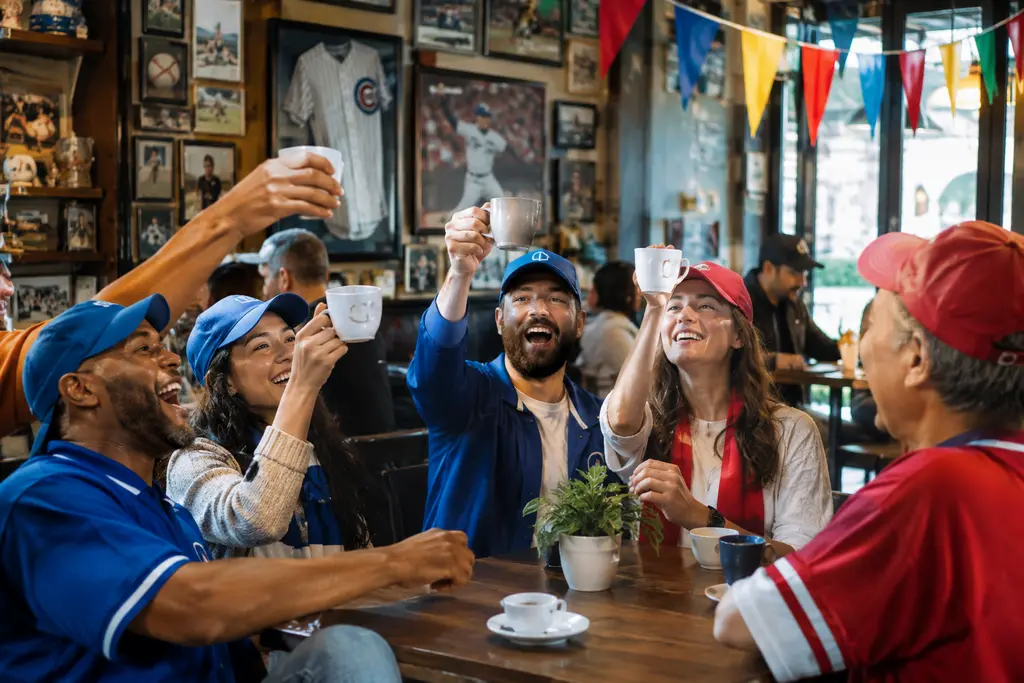

The Games of Texas impact in Bryan-College Station was measured in dollars, athletes, and something harder to total: the feeling of a Texas sports town proving it can carry a statewide event with care. Held on July 30-August 2, 2026, across College Station and Bryan, the Texas Amateur Athletic Federation Summer Games brought 7,584 athletes to the area and generated an estimated $8.1 million for the local economy, according to the city’s official event recap. For baseball families, that pattern feels familiar: youth sports travel does not stop at the field gate. It reaches restaurants, hotels, gas stations, training spaces, and the family calendar.
By November 5, 2026, the event had already moved from schedule line to civic memory. The better question now is not whether the event happened, but what it left behind. In a region already shaped by college athletics, summer tournaments, and weekend road trips, the Summer Games offered another example of how amateur sports can become local culture when families return year after year.
How Games of Texas Impact Reached Local Businesses
Games of Texas Impact By The Numbers
The 2026 event featured 10 sports across venues in both cities, including Texas A&M facilities. The scale mattered because every competition site became part of a larger local circuit. A parent might start the day near a pool, court, or track, then move toward lunch, laundry, shopping, or another venue before the evening ended. Coaches, friends, and siblings added to that movement.
The city’s reported $8.1 million estimate did not come from one scoreboard. It reflected the broad spending pattern that follows a multi-day amateur event: lodging, meals, fuel, local services, and the small purchases that happen between contests. For sports towns in Texas, those purchases can be just as meaningful as a championship medal. They keep staff working, introduce visitors to local storefronts, and give civic leaders a clearer picture of how sports infrastructure supports more than athletes alone.
Why Hotels, Restaurants, And Services Felt The Event
Large youth events create a different rhythm from a single high-profile game. Families arrive with coolers, uniforms, folding chairs, and schedules that often stretch from early morning to late evening. That rhythm spreads spending across the day. Breakfast spots see early lines. Restaurants handle team meals. Hotels become gathering places where families compare results and plan the next matchday window.
That pattern connects directly to the way Texas baseball families understand tournament travel. A weekend at the ballpark often turns into a full community exchange, with local businesses serving as part of the sports experience. Our related coverage of Summer Games impact in College Station follows that same local thread: the field matters, but so does the town around it.
Why The Games of Texas Felt Like A Sports Homecoming
A Familiar Host With Repeat Experience
The 2026 event marked the ninth time College Station and Bryan had hosted the Summer Games, with six of those host years coming since 2014. That repeat role matters. Communities do not learn large-event operations from a binder alone. They learn it from parking patterns, volunteer stations, venue handoffs, weather timing, signage questions, and the steady patience required when thousands of families arrive at once.
The Games of Texas also fit a local identity already tied to amateur and college sports. In Bryan-College Station, the presence of Texas A&M adds a familiar sports setting, while city venues help spread activity beyond one campus. That mix gives the area a practical advantage: visitors are not introduced to sports culture as a special display. They step into a place where sports already shape weekends, restaurant traffic, and civic pride.
Records, Young Athletes, And Local Memory
The 2026 recap reported 18 broken records. That number gives the event a competitive heartbeat. Economic reports are valuable, but families often remember a personal best, a relay finish, a long wait between events, or the first time a young athlete competed away from home. Those memories travel back to neighborhoods across Texas.
That is where the cultural value widens. The event was not only a spending moment for Bryan-College Station. It became a stage where young athletes learned how statewide competition feels. Parents saw how a host community supports youth sports. Local workers met families from across Texas. For baseball readers, the lesson is clear: athlete development depends on more than practice reps. It also depends on communities willing to host, feed, organize, and welcome young competitors.
What City Planning Said Before The Event
Budget Expectations Matched The Bigger Pattern
College Station’s FY25 approved budget planning indicated the community expected the event to routinely bring in more than $8 million per year in economic impact, according to the city’s approved budget document. The 2026 estimate of $8.1 million aligned with that expectation after the event was completed.
That connection between planning and result is worth holding onto. Sports tourism can sound simple from the outside: host the games, welcome the teams, count the money. In practice, communities have to prepare venues, staffing, traffic support, public communication, and public safety coordination. When the planning estimate and event recap line up closely, it suggests the community had a grounded sense of the event’s scale.
Sports Infrastructure Beyond One Weekend
For Texas baseball communities, the facility lesson carries weight. Ballfields, multi-sport venues, and event centers are not only construction projects. They are public promises about who a city wants to serve. A youth tournament can bring immediate visitor spending, but it can also raise questions about access, maintenance, scheduling, and whether local families benefit after visiting teams leave.
The Summer Games showed how a regional sports base can support a statewide event. Still, the real legacy depends on daily use. A venue earns trust when local teams practice there, families feel welcome there, and event operators keep learning from each large gathering. The strongest sports towns do not treat tournament weekends as separate from community life. They fold them into it.
Why Games of Texas Impact Endures In Bryan-College Station
The lasting Games of Texas story in Bryan-College Station is not only the $8.1 million estimate or the 7,584 athletes. It is the shared proof that amateur sports can bring economic activity and civic meaning at the same time. The event gave businesses a summer lift, gave athletes a statewide stage, and gave the host cities another chapter in their sports identity.
For Texas baseball fans, that matters because the culture around the diamond is built the same way: one family trip, one tournament meal, one long day in the heat, one local business at a time. The Summer Games may have included multiple sports, but its lesson fits every Texas town that uses youth competition to bring people together. When a community hosts well, the impact does not end when the final medal is handed out. It stays in the habits, relationships, and local pride that shape the next event.