
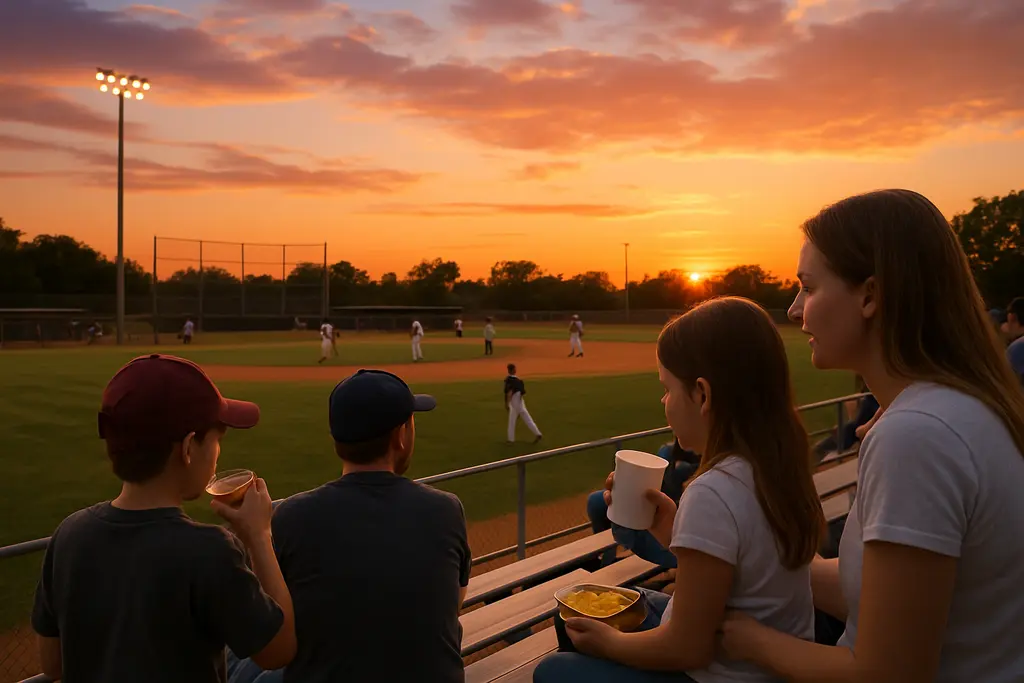

Baseball facilities Texas communities have improved are now doing more than giving young players smoother infields and better lighting. In Texarkana and Bryan, upgraded tournament sites have turned weekend baseball into a local sports business story, moving families from ballfields to hotels, restaurants, gas stations, and shops. That matters because Texas baseball has always lived close to civic life: parents in folding chairs, coaches packing coolers before sunrise, grandparents finding shade behind the backstop, and local businesses learning the rhythm of bracket play.
The strongest case studies are not abstract promises. They are measured through visitor counts, team totals, tournament bookings, and direct spending. Those numbers do not replace the cultural value of a good youth baseball weekend, but they help explain why city leaders, park departments, and sports commissions keep studying facility upgrades. A playable complex with reliable parking, concessions, lighting, and field quality can become a gathering place for local families and an invitation for out-of-town teams.
Baseball Facilities Texas And Local Returns
Why Tournament Weekends Matter
Youth baseball and softball tournaments create a spending pattern that small and mid-sized Texas cities understand well. Teams arrive with parents, siblings, coaches, and sometimes extended family. They buy meals between games, book rooms for multi-day events, stop for fuel, and fill gaps in the schedule with retail trips. The ballpark is the anchor, but the spending spreads across town.
That is why upgraded baseball and softball complexes can be evaluated as sports infrastructure, not just park projects. Better fields help tournament organizers schedule more games with fewer interruptions. Lighting can stretch usable hours. Concessions keep families on site longer. Parking and entryways affect whether a tournament feels manageable for grandparents, parents with younger children, and volunteers working long days. The financial return begins with baseball, but the local memory is built through comfort, access, and repeat visits.
Baseball Facilities Texas In Texarkana
Texarkana offers one of the clearest recent case studies. The Swanger Sports Complex was renovated through a $9.4 million bond-funded project approved on March 11, 2024, with upgrades that included fields, lighting, concessions, parking, and entryways, according to the city’s economic impact study. In the 2026 summer season from February through June, the facility generated about $6.5 million in direct visitor spending, hosted 15 tournaments, attracted about 43,000 visitors, and brought in 420 teams.
The details behind those totals tell the bigger Texas baseball story. About 61 percent of visitors came from outside the local area, which means tournament weekends brought new spending into the city rather than only shifting local dollars from one activity to another. The city also reported a 431 percent increase in visitors coming from more than 100 miles away and a 68 percent increase in dining visits after tournaments. For baseball facilities Texas, the lesson is direct: amenities can change who travels, how long they stay, and where they spend after the last out.
What Bryan Shows About Sports Tourism
Travis Fields As A Tournament Anchor
Bryan’s Travis Fields gives another grounded example of how a baseball and softball complex can support a local economy. KBTX reported on March 18, 2026, that Travis Fields generated $4.4 million in direct economic impact in 2024 from youth baseball and softball tournaments and hosted more than 70,000 visitors that year KBTX report. The same report said virtually all weekends through 2027 had already been booked with tournaments.
For Bryan, that booking pattern is a sign of facility demand. Tournament organizers need dependable sites. Families need schedules that justify travel. Hotels and restaurants need enough advance notice to staff up and prepare. When a complex fills weekends far ahead, the surrounding community can plan around baseball instead of reacting at the last minute.
How Families Shape The Spending Pattern
The family travel piece is central. Youth baseball trips are rarely single-person visits. A player may bring two parents, siblings, grandparents, or teammates riding together. That makes the tournament weekend different from a single local league night. It brings a wave of visitors with practical needs: breakfast before an early game, lunch between pool play and bracket play, dinner after a long afternoon, and rooms close enough for rest between start times.
This is where facility quality meets community culture. A tournament complex can invite people into a city, but the full experience depends on how the city receives them. Clear access, clean fields, welcoming concessions, and nearby businesses all shape whether a family wants to return. Texas baseball towns know that hospitality is not only a slogan. It is the person pointing a visiting parent toward shade, the restaurant that can handle postgame uniforms, and the hotel desk that understands 7 a.m. first pitch nerves.
From Field Upgrades To Main Street Spending
The Local Business Connection
Direct visitor spending matters because it reaches people who may never step onto the field. Restaurant servers, hotel staff, convenience store clerks, concession workers, maintenance crews, and tournament staff all connect to the game-day economy. A stronger tournament schedule can give those workers more predictable weekend demand, especially during periods when other travel may be slower.
For local businesses, baseball weekends can become part of the operating calendar. A cafe may prepare for breakfast traffic. A sporting goods store may stock tape, sunscreen, and replacement gear. A family restaurant may expect groups in matching jerseys after evening games. That pattern is familiar across Texas towns where youth sports and small business routines overlap. The facility sets the schedule, but Main Street often feels the impact.
There is also a planning lesson for cities. The best data from Texarkana and Bryan points to direct impact, visitor totals, and tournament demand. It does not prove every project will deliver the same result. Location, management, field count, hotel supply, regional competition, and tournament relationships all matter. Cities weighing baseball facilities Texas projects should ask how an upgrade fits the existing community, not just whether another city saw a strong return.
- Visitor spending grows when tournaments attract families from outside the local area.
- Field quality, lighting, concessions, parking, and access can affect tournament demand.
- Hotels, restaurants, retail, fuel stops, and on-site vendors are part of the baseball weekend economy.
- Advance bookings help local businesses and city services plan for busy weekends.
For readers who follow how youth baseball dollars move through Texas communities, the same pattern appears in broader coverage of Texas facilities and tournament travel. The hard part is balancing economic development with access. Improved complexes can attract visitors, but local families still need affordable fields, fair schedules, and programs that keep baseball open to more kids.
Community Value Beyond The Scoreboard
Player Development And Civic Identity
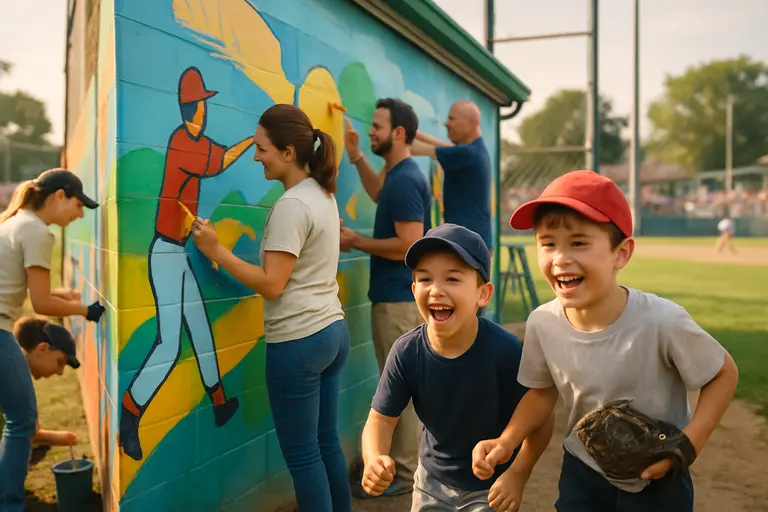
The economic case is only one part of the value. Better fields can support player development by giving young athletes safer, more consistent places to practice and compete. Coaches can teach with fewer disruptions. Parents can trust that a long weekend is being held at a site built for heavy use. Players learn under the lights, in front of family, against teams from other places, and inside a setting that feels bigger than a casual pickup game.
Those moments feed local identity. In Texas, baseball has long been tied to family routines and town pride. A tournament complex can become the place where a young catcher first handles pressure, where a volunteer grounds crew keeps play moving after rain, or where a local business sponsors a team banner because the owner remembers playing on the same side of town. That kind of attachment cannot be fully captured in a spending total, yet it is part of why communities care about their ballfields.
Still, public decisions need clear-eyed measures. Texarkana’s reported 2026 summer spending and Bryan’s reported 2024 impact show how upgraded or in-demand facilities can bring measurable returns. They also remind communities to track who benefits, how often local fields remain available, and whether tournament growth supports the youth pipeline instead of crowding it. Baseball facilities Texas projects are civic choices as much as sports investments.
What These Case Studies Mean For Texas Baseball
These baseball facilities Texas case studies show a practical path for communities that see baseball as both sport and local tradition. Texarkana’s Swanger Sports Complex demonstrated how a bond-funded renovation could connect field upgrades with tournament volume and visitor spending. Bryan’s Travis Fields showed how heavy bookings and large visitor counts can make a complex an anchor for youth sports tourism.
The takeaway is not that every city should copy one project. The better lesson is that baseball facility planning works best when it respects the game and the town around it. Fields need to serve local players first, while tournament schedules can bring new money to businesses that help define the weekend experience. When those pieces line up, the ballpark becomes more than a set of diamonds. It becomes a shared Texas place where player development, family travel, and local commerce meet under the same lights.