
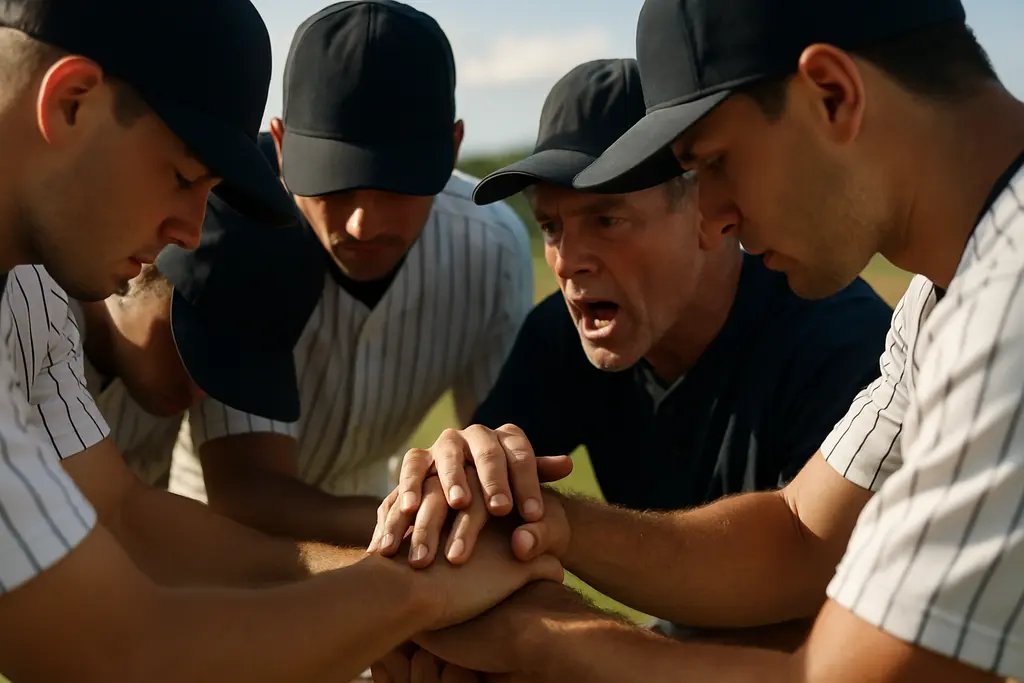

Bowie Baseball Support is about more than fresh turf or a brighter scoreboard. At Austin ISD’s James Bowie High School, the conversation around baseball resources reaches into daily practice habits, family attendance, coaching routines, and the pride that builds around a school field. The verified plans tied to Austin ISD bond work show a campus where athletics, training, and community use are being treated as connected pieces of the student-athlete experience.
For baseball families, that matters in plain ways. A field with better lighting can affect late practices. Seating and restrooms shape how grandparents, siblings, and neighbors experience a game. A nearby weight room or training space can help coaches plan a fuller week for athletes who are balancing classwork, skill work, recovery, and team commitments. None of those pieces wins an inning by itself, but together they shape the environment where a high school program grows.
Bowie Baseball Support And The Bond Plan
Bowie Baseball Support Starts With Better Daily Space
The biggest verified athletic facilities item tied to Bowie baseball comes through Austin ISD’s 2022 Bond Program. Under Proposition C, Bowie High School is listed for athletic field upgrades with an estimated cost of $26,989,000, including artificial turf, updated lighting, improved seating, a new scoreboard, restrooms, and enhancements to baseball and softball fields Austin ISD bond book. For a baseball program, those are not cosmetic extras. They touch the routine spaces where ground balls are taken, pitchers get work, families gather, and coaches set the tone for a week of competition.
Artificial turf can change how a campus manages field use after rain, though the exact effect depends on site conditions and district scheduling. Updated lighting can widen the practical window for practices and games, especially during months when daylight is limited after school. Improved seating and restrooms speak to the public side of high school baseball: parents coming from work, younger players watching older students, and community members who follow the school even after their own children have graduated.
The new scoreboard also carries a cultural weight. In Texas high school baseball, the scoreboard is part of the shared language of the park. It marks innings, pressure, rallies, and the small pauses when players look out from the dugout and feel the crowd behind them. Bowie Baseball Support, in that sense, is not only about equipment. It is about giving the game a setting that treats student effort with respect.
Training Spaces Around The Diamond
Athletics Building Changes Practice Rhythm
The Bowie High School Modernization Project, tied to the 2017 AISD Bond, also connects to the baseball story. Page describes a new Athletics building adjacent to outdoor fields, with a competition gym, practice gym, weight room, locker rooms, health studios, and training spaces Bowie modernization project. Baseball is an outdoor sport, but the work of building a baseball player does not stay between the foul lines.
Strength work, mobility, team meetings, weather backup plans, and recovery habits all live in the spaces around the field. A weight room near the outdoor fields can help coaches link skill work and physical preparation in a more practical daily rhythm. Locker rooms and training spaces give athletes a more settled base before and after practice. Health studios, as described in the project scope, point toward a campus model where athletic preparation includes more than swings and throws.
The same modernization description also ties the Athletics building and Fine Arts facilities to a 500-space parking garage, with tennis courts relocated to the rooftop, freeing land for closer connections between training facilities and outdoor fields. That detail may sound like campus planning language, but it has real sports meaning. When training areas sit closer to fields, time becomes less fragmented. A coach can move a group from field work to strength work with fewer lost minutes. A student-athlete can shift from school to practice with less campus crossing and more focus.
That is where Bowie Baseball Support becomes a local sports infrastructure story. A high school field is not a pro stadium, and it should not be judged like one. Its value is measured in the number of useful repetitions it can host, the quality of the setting for families, and the way it helps students take ownership of their school day.
Why Resources Matter For Student-Athletes
Development Beyond Batting Practice
Baseball development at the high school level asks a lot from students. They need skill instruction, strength, rest, class discipline, and steady coaching. Better facilities cannot replace teaching, but they can support better use of time. A practice field with planned upgrades, nearby training spaces, and more complete game-day amenities gives coaches a stronger structure for building routines.
For pitchers, that routine might mean safer spacing between throwing work, conditioning, and recovery. For position players, it might mean more organized defensive stations and hitting work around changing weather or daylight. For catchers, who often carry one of the heaviest physical loads on the field, access to strength and training areas can support the habits that keep a season from wearing down too quickly. These are practical possibilities tied to the listed resources, not promises of wins or statistics.
The community side matters just as much. High school baseball in Texas often becomes a meeting point across age groups. Younger players study varsity warmups. Parents volunteer time. Alumni return to see how the program feels compared with the one they knew. Better seating, restrooms, lighting, and scoreboard features can make that gathering easier and more welcoming. A school field that works well for families can turn a weeknight game into a regular community habit.
There is also a respect factor for student-athletes. When a campus invests in athletic spaces alongside academic and arts facilities, students see that their full school life has value. Baseball players are not only athletes; they are classmates, club members, siblings, and young people learning how to manage responsibility. Resources that support training can also support belonging.
What Families Can Track Next

Questions For Game-Day Planning
Because the available source set does not provide a verified opening date for every planned athletic feature, families should treat timing with care and rely on Austin ISD communications for project updates. That caution is part of honest sports coverage. Bond plans can name scope and budget, while construction schedules can still shift because of field conditions, permits, or site work.
For baseball parents and supporters, the next useful step is not rumor. It is asking clear questions and watching for official district updates tied to the work that affects practices and games.
- Which baseball and softball field upgrades are scheduled first?
- How will practice and game schedules be handled during construction phases?
- When will seating, restrooms, lighting, and scoreboard work be available for team use?
- How will access, parking, and field entry work once modernization pieces are active?
- What communication channels will the district and campus use for schedule changes?
Those questions keep the focus on student-athletes and families. They also help local supporters stay useful. Booster energy, neighborhood attention, and school pride work best when they are tied to verified information rather than speculation.
Bowie Baseball Support For A Shared Baseball Home
Bowie Baseball Support now sits at the intersection of facilities, training, and community identity. The 2022 Bond Program names significant field upgrades for Bowie, while the 2017 modernization work describes athletic spaces that can support a broader student-athlete routine. For baseball, that combination matters because the game depends on repetition, patience, and a place where players feel the standards every day.
The story is not only about what gets built. It is about how a school uses those resources once they are in place: how coaches structure practice, how families experience games, how younger athletes see a path forward, and how Bowie continues to make baseball part of campus life. In Texas, a high school diamond can carry a neighborhood’s memory. At Bowie, the next chapter of that memory is being shaped by training spaces, field upgrades, and the people who keep showing up for the players.