
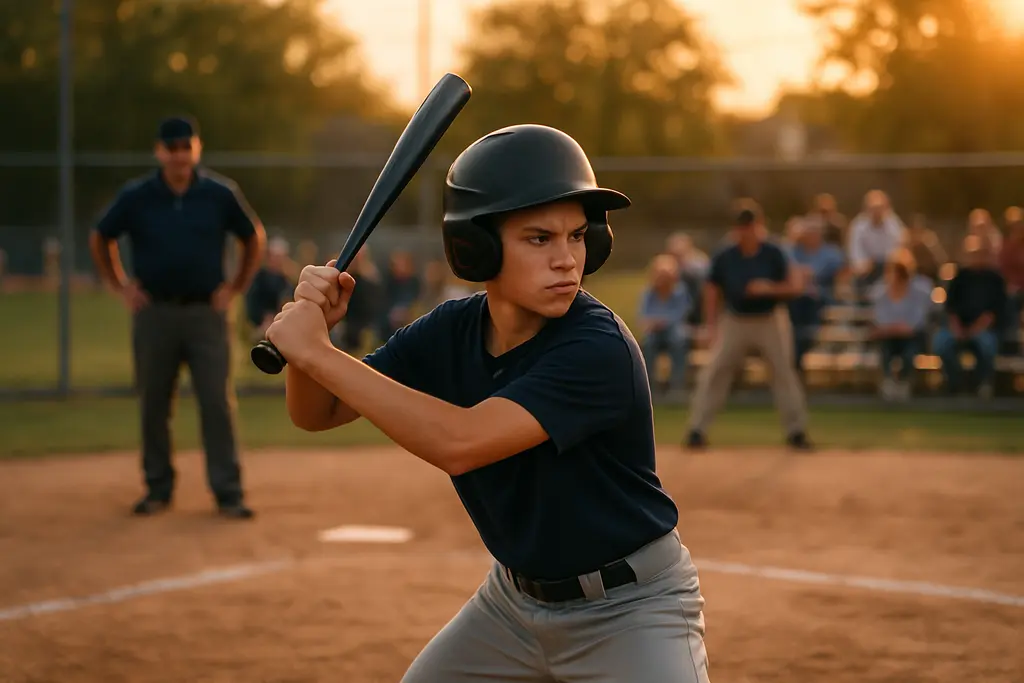

Across Texas baseball, fall prospect camps have become more than calendar items. They are small windows where players, parents, and coaches measure readiness against clear dates, roster caps, and college-level instruction. As of October 20, 2026, the most clearly verified fall baseball camp information in the research centers on Texas A&M in College Station and Northeast Texas Community College in Mount Pleasant, with some dates already completed and others still ahead.
The Verified Camp Calendar For Texas Families
The College Station schedule gives families a useful snapshot of how college programs organize player development in the late fall. Texas A&M Baseball listed a Fall Prospect Camp for November 21-22, 2026, open to ages 13-19, with Day 1 running from 9:00 AM to 7:00 PM and Day 2 from 8:30 AM to 2:00 PM. Capacity is listed at 60 players on the Texas A&M camp schedule.
Fall Prospect Camps And The Calendar Pressure
Those details matter because the two-day format asks families to make real choices. A 60-player cap is not a large open field. It suggests a setting where instruction and evaluation can be organized with a narrower group, and it also means families need to read the official schedule closely before making travel plans. For Texas athletes trying to be seen, the limits are part of the story.
Texas A&M also listed other fall dates around that main camp. The Pitcher/Catcher Camp took place on October 10, 2026, for ages 13-19, with space for 40 pitchers and 24 catchers. Aggie Experience Camp sessions were listed for September 26 and October 24, 2026, for graduates from 2027-2031, with each session capped at 75 players. Since today is October 20, 2026, the September 26 date and October 10 date had already passed, while the October 24 session remained ahead on the calendar.
For families comparing College Station options, our recent note on Texas A&M fall camps also frames those dates as part of a broader development path for young players in Texas.
Dates That Had Already Passed Still Matter
Northeast Texas Community College hosted its Eagles Prospect Camp on October 18, 2026, at Eagle Field at Bob Baker Stadium. That date had already passed as of October 20, 2026, so it should be read as a recent marker rather than an event still available to attend. The camp was open to high school graduates from 2027-2031, with listed fees of $50 for pitchers, $75 for position players, and $100 for two-way players, according to the NTCC camp announcement.
That Mount Pleasant date still carries local value. It shows how a junior college program can provide a closer-to-home evaluation setting for East Texas families. Not every athlete’s path starts with a long trip across the state. For some players, a regional college field can be the first serious checkpoint in the recruiting process.
Why Fall Prospect Camps Carry Local Weight
Baseball families in Texas often build fall calendars around school games, travel ball commitments, strength work, and showcases. In that setting, fall prospect camps function as organized checkpoints. The value is not only in being seen. The value also comes from learning how a college staff structures time, skill work, and evaluation.
College Station and Mount Pleasant sit in different parts of the Texas baseball map, but both matter to the state’s player pipeline. Texas A&M brings families into an SEC college town with a high-profile baseball setting. NTCC brings players to Eagle Field at Bob Baker Stadium, where East Texas athletes can connect with a local college program without the same travel load some families face when crossing the state.
What The Caps Say About Evaluation
Capacity numbers are not side details. Texas A&M’s 60-player cap for the November 21-22 Fall Prospect Camp, the 75-player caps for Aggie Experience sessions, and the position-specific Pitcher/Catcher Camp limits all tell families how controlled each environment is intended to be. A smaller camp may allow more direct instruction. A larger session may allow players to compare themselves against a wider group. The official numbers help families choose based on need rather than guesswork.
For catchers and pitchers, the October 10 Texas A&M camp had a clear position focus. For hitters, Texas A&M listed Hitting Under the Lights sessions on November 20, December 4, and December 11, 2026, open to ages 7-19 and capped at 68 hitters per session. Those evenings speak to a different rhythm: shorter, skill-specific work that may fit families seeking concentrated instruction rather than a full prospect showcase.
What Players Can Read From The Format

The format of a camp often tells a player what will be asked of him before he ever steps on the field. A two-day camp such as Texas A&M’s November 21-22 event can test more than tools. Players may need to handle a long first day, return the next morning, and show that their routines travel with them. That rhythm is part of baseball life, especially for athletes moving from high school into college environments.
The NTCC pricing structure also gives families a practical detail to weigh. Pitchers, position players, and two-way players were listed at different fees for the October 18 camp. That kind of structure recognizes that athletes do not all use the same evaluation lane. A two-way player may need more time and more looks. A pitcher may need a focused bullpen setting. A position player may need defensive work, running, and swings to make a full impression.
Family Planning Is Part Of Player Development
Texas baseball families know development is rarely limited to the player. Parents and guardians manage school calendars, weekend travel, meals, equipment, and cost. When a camp posts exact times, age ranges, and player caps, that information helps households make grounded choices. For younger athletes, especially those ages 13-15, the right camp can also teach what college-level instruction feels like without asking them to pretend the recruiting process is already finished.
That is why fall prospect camps hold cultural weight in Texas. They bring families into college baseball spaces and turn a regular weekend into a shared sports experience. A parent watching a bullpen, a grandparent sitting near the fence, a younger sibling chasing foul balls nearby: those moments are part of how baseball keeps its place in Texas towns.
Why Fall Prospect Camps Matter For Texas Baseball
The verified fall schedule shows a clear pattern: Texas players have multiple pathways, but each pathway has its own timing, cost, and fit. Texas A&M’s upcoming November 21-22 Fall Prospect Camp offers a limited-cap, two-day setting for ages 13-19. Its November and December hitting sessions create another route for younger and older hitters. NTCC’s October 18 camp, now completed, gave East Texas athletes a recent regional opportunity at Eagle Field at Bob Baker Stadium.
For the Texas baseball community, the lesson is simple and useful. Read the official dates. Respect the age ranges. Treat capacity limits as real. Match the camp format to the player’s stage of development. When families do that, fall prospect camps become more than a line on a recruiting calendar. They become part of the local baseball fabric, connecting college programs, high school athletes, and the communities that keep showing up around the diamond.