
On September 3, 2026, grassroots baseball grants moved from a press release into the everyday life of youth diamonds across the region. The Texas Rangers Baseball Foundation and Globe Life awarded $120,800 to 18 nonprofit youth baseball and softball programs across Texas, Louisiana, and Oklahoma, with the money directed toward facility improvements, equipment, uniforms, scoreboard upgrades, construction projects, and community enhancements, according to the Rangers announcement.
For Texas baseball people, that kind of news lands close to home. A youth field is never just dirt, chalk, grass, lights, and a dugout. It is where parents learn the schedule by heart, where grandparents bring folding chairs, where coaches teach the first cutoff throw, and where a child starts to feel that baseball belongs to them. Grants cannot solve every barrier in youth sports, but they can pay for the pieces that make a league safer, more usable, and more welcoming.
The timing also matters. As of October 5, 2026, the Rangers and Globe Life grants had already been awarded, so the community impact should be viewed through what those grants made possible: local programs receiving help for practical needs that often sit between ambition and access. That is the heart of Texas baseball culture — big-league names putting resources into the small fields that feed the game.
How Grassroots Baseball Grants Reached Texas
A Regional Grant With Local Meaning
The September 3, 2026 award was regional, not limited to one city or one league. The 18 recipients were nonprofit youth baseball and softball programs across Texas, Louisiana, and Oklahoma. That regional reach fits the Rangers’ place in the baseball life of North Texas and surrounding states, where families often cross city and county lines for tournaments, league play, clinics, and family weekends built around the sport.
The verified dollar figure — $120,800 — tells one part of the story. The other part is what that money was intended to support. Facility improvements can mean a field becomes more usable for practices and games. Equipment and uniforms can lower the strain on families and league budgets. Scoreboard upgrades and construction projects can help small venues feel more like true community gathering places. Community enhancements can reach beyond the foul lines, because youth parks often serve siblings, parents, volunteers, and local businesses on game nights.
Grassroots Baseball Grants And Field Needs
Grassroots baseball grants matter because the needs they support are often basic, visible, and urgent. A league may have committed coaches and steady families, yet still face worn gear, dated field features, or facility work that costs more than concession sales and registration fees can cover. When a grant helps with those costs, the effect is felt in practices that run smoother, games that feel more organized, and families that see their local park being cared for.
This is where baseball’s community culture shows itself. A scoreboard is not only a board with runs and innings. At a small-town or neighborhood field, it is part of the shared rhythm of a night: children counting outs, parents tracking rallies, volunteers keeping the game moving. Uniforms are not only shirts and pants. They help players feel part of a team, which can be especially meaningful for young athletes still learning confidence and belonging.
For readers following the same award cycle, our related coverage on Texas Rangers grants looked at how the 2026 funding connected to fields, gear, and access. The common thread is simple: youth baseball grows best when local people have the tools to keep the game close to home.
What The Grants Say About Baseball Access
Cost Pressure Starts Before First Pitch
Youth baseball asks a lot from families before the first pitch is thrown. The research for this story does not provide local fee data, travel costs, or household expenses, so those figures should not be assumed. What the Rangers and Globe Life announcement does verify is that the grant money targeted categories that often shape access: equipment, uniforms, facilities, construction, scoreboards, and community work.
That matters because baseball access is built from small pieces. If a league can upgrade gear, it may reduce the amount families need to provide on their own. If a facility is improved, coaches may gain a better setting for practice. If a program can handle needed construction, it may keep a field in use for more children. These are not abstract benefits. They show up in whether a team can practice after school, whether a field can host a full schedule, and whether families feel the program is stable enough to keep coming back.
The Softball Connection
The September 3, 2026 award also included youth softball programs, which should not be treated as a side note. In Texas communities, baseball and softball often share volunteers, field space, concession stands, local sponsors, and family calendars. A grant that supports both sports recognizes that the diamond is a shared civic space.
That shared space is where cultural impact becomes visible. A youth park can become a weekly reunion point for neighborhoods and small towns. Coaches see siblings grow up around the same dugouts. Local restaurants, gas stations, and shops can feel game-night traffic when families gather near fields. The research does not give an economic total tied to these grants, so no dollar impact should be claimed. Still, the connection between youth sports and local routines is plain to anyone who has watched a line form at a concession stand between innings.
How Other MLB Communities Frame The Same Work

Seattle’s Steelhead Community Fund
Texas is not the only baseball market using grantmaking to connect professional clubs with youth access and cultural memory. As of October 5, 2026, the Seattle Mariners’ Steelhead Community Fund had allocated more than $100,000 in its first round of 2026 grants to Baseball & Softball Beyond Borders in Kent, Washington, and the Black Heritage Society of Washington State, according to Yahoo Sports. The fund honored the legacy of the Seattle Steelheads while supporting Black and youth athletes.
That example is useful for Texas readers because it shows how baseball grants can carry two jobs at once. They can support play on the field, and they can preserve stories that give a community its sense of place. The Rangers and Globe Life grants, as described in the official announcement, were tied to direct needs such as facilities, equipment, uniforms, scoreboards, construction, and community enhancements. The Seattle example connected funding with heritage and access. Both models point toward the same truth: baseball funding is strongest when it reaches people, places, and memory.
A Texas Reading Of A National Pattern
It would be easy to talk about grant programs only as numbers. Yet Texas baseball has always been lived through local habits: Saturday tournaments, weeknight practices, family carpools, coach-pitch memories, high school rivalries, summer heat, and ballparks that double as town squares. Grassroots baseball grants fit into that pattern because they support the physical and social base of the sport.
The Rangers’ 2026 award did not promise a single dramatic fix, and it should not be described that way. Its value was more grounded. Eighteen nonprofit programs received support for the kinds of needs that determine whether youth baseball and softball can keep operating with care. That is a sports story, but it is also a Texas culture story.
Why Grassroots Baseball Grants Matter In Texas
Player Development Begins Close To Home
Before scouting attention, showcase schedules, and varsity rosters, there is the first local team. Player development begins when young athletes get enough safe repetitions to learn the game: catching a fly ball, taking a sign, backing up a throw, handling failure, and returning the next day. Facilities and equipment do not replace coaching, but they help coaches teach.
That is why grassroots baseball grants carry value beyond a single funding cycle. A repaired field, a better scoreboard, a set of uniforms, or new equipment can serve more than one roster. The players who benefit may be different next spring, but the local structure remains. In Texas, where baseball identity stretches from youth leagues to high school programs, college diamonds, independent clubs, and the Rangers and Astros at the top level, the base of the game deserves attention.
The Community Standard Behind The Check
The cultural test for any grant is not how polished the announcement sounds. It is whether the money reaches the places where volunteers are already carrying the load. Based on the verified Rangers announcement, the September 3, 2026 grants were directed to nonprofit youth baseball and softball programs and tied to tangible needs. That gives local communities a clear standard to watch: fields improved, gear purchased, uniforms provided, scoreboards upgraded, projects built, and community spaces strengthened.
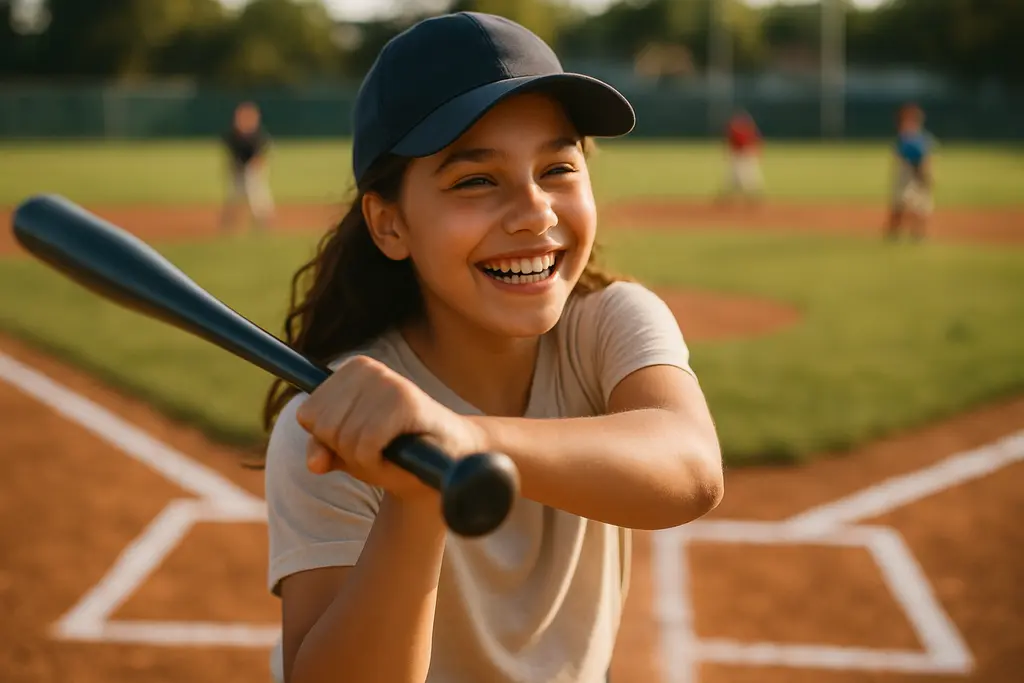
For Texas baseball families, grassroots baseball grants are part of a larger promise that the sport should remain rooted in neighborhoods, not just stadium districts. The big-league connection matters, but the lasting image is smaller: a child stepping onto a local diamond in a clean uniform, a coach unlocking an equipment bag, a parent settling into a bleacher seat, and a community seeing its field treated as a place worth investing in.