
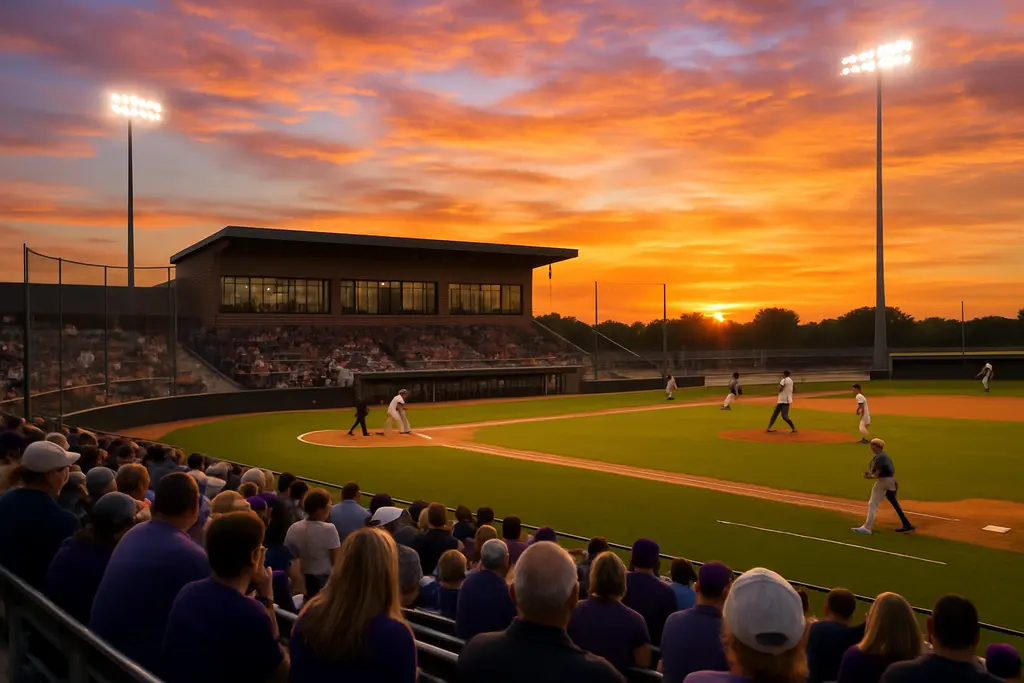

The Marble Falls Baseball facility plan became a firm local sports story on March 23, 2026, when the Marble Falls ISD Board of Trustees approved a guaranteed maximum price of $7,152,778 for the new Marble Falls High School baseball facility, with construction scheduled to begin on April 1, 2026, and completion expected on December 31, 2026 reported GMP and schedule. For Mustangs families, this is not just a building project. It is a sports setting where practices, player routines, school pride, and weeknight gatherings are being planned around a new home field.
As of September 8, 2026, the documented completion target in the research remains December 31, 2026. Because the facility had not yet reached that reported completion date, the fairest way to read the project is as a major investment still moving toward its intended use during the 2027 school year. That timing matters. Baseball facilities shape habits before they shape box scores: where players take extra swings, where younger students picture themselves in varsity colors, and where parents build the small rituals that hold a season together.
Marble Falls Baseball Budget And Bond Timing
Why Marble Falls Baseball Costs Changed
The budget conversation has been central to the local meaning of this project. DailyTrib reported that, once soft costs were included, the total price was projected to land around $8 million, nearly $1.5 million above the original budget, and that the facility was funded through the May 2025 bond package approved by voters bond and total cost report. That voter-approved funding is a key piece of the story because high school baseball in Texas often lives at the intersection of school finance, family pride, and public accountability.
For Marble Falls Baseball, the cost discussion also shows how local sports dreams meet construction reality. The research notes that the project had been paused in October 2025 after estimates for the baseball facility and other bond projects came in about 50 percent over budget. The notes also state that Pfluger Architects were replaced by Huckabee and Associates, Inc. in December 2025. Those details help explain why the March 2026 GMP approval carried weight: it gave the project a clearer price structure after a period of delay.
What The Bond Decision Says About Local Sports
A school bond vote is not a scoreboard result, but it does reveal how a town values shared spaces. Baseball fields in Texas are where grandparents compare eras, younger siblings chase foul balls, and students learn that a varsity uniform is tied to practice habits long before first pitch. The May 2025 bond package placed the baseball facility within a broader school investment story, and that makes the venue part of the district’s athletic identity rather than a stand-alone diamond.
The higher projected price also invites a grounded kind of civic attention. Families can support the program while still asking how each dollar affects access, comfort, training, and long-term upkeep. That balance is healthy for school sports. It keeps the focus on athletes and community use, not just drawings and price tags.
Player Development Inside The New Venue
Practice Space Built For Repetition
The planned facility includes home and visitor dugouts, a home clubhouse with junior varsity and varsity locker rooms, and a coaches’ office. The research also identifies four batting cage tunnels, doubling the current two, plus a bullpen area in the left field corner with three pitching mounds and home plate. Those are not cosmetic details. They speak directly to player development, roster flow, and the daily repetition that defines high school baseball.
More batting cage space can change how a coaching staff organizes practice groups. Pitchers can work in dedicated bullpen space while hitters rotate through tunnels, and junior varsity players can be folded into the same baseball culture as varsity players. Marble Falls Baseball gains a setup that appears designed to support more athletes at one time, which matters in a school setting where development is measured across several years, not just one lineup card.
Clubhouse Functions And Athlete Care
The clubhouse details in the research include trainer facilities, locker rooms with bathrooms and showers, and a coaches’ office and dressing room. In everyday terms, those spaces give a program more structure. Players have a place to prepare, recover, meet with coaches, and move from school-day routine into game-day focus.
High school baseball culture is built through repetition, but it is also built through belonging. A dedicated locker room for junior varsity and varsity players can help younger athletes see a path forward inside the program. That path is important in Texas communities where school teams often anchor youth sports dreams. A player who starts by watching from the fence may one day use the same batting cages, dress in the same clubhouse, and carry the same local expectations onto the field.
Fan Experience And Game-Day Operations
Seating, Sound, And A Shared View
The facility plans call for seating for 306 fans and a press box with a public address system. Those two features matter for families because game-day experience is built from small points of order: where people sit, how lineups are announced, how players are recognized, and how a crowd follows the rhythm of a district game or tournament bracket.
A press box and public address system also give student participation another layer. While the research does not list student media roles or event staffing plans, high school venues often create chances for students to learn game operations, scorekeeping, announcing, and production basics. The supported fact here is the planned press box and PA system; the community value comes from how Marble Falls ISD may choose to use those tools once the venue opens.
Removed Amenities And Access Questions
The research notes that some planned features were removed because of costs: a concession stand with men’s, women’s, and family restrooms; a shade-providing awning over spectator seating; and sunken dugouts. Those omissions deserve attention because fan comfort is part of community engagement. Texas baseball weather can put pressure on seating areas, and families with young children or older relatives often judge a venue by practical needs as much as by the field surface.
That does not erase the value of the project. It does mean the local conversation should stay clear-eyed. A new venue can improve the baseball experience while still leaving questions about concessions, shade, and restroom access for future planning. The strongest school sports communities tend to be honest about both pride and needs.
How The Facility Fits A Tournament Vision
Hosting Potential For The Mustangs
The project aim described in the research includes creating a venue capable of hosting tournaments, improving player development, and upgrading the spectator experience. Tournament hosting is a meaningful ambition for a Texas high school baseball program because it can bring visiting teams, families, coaches, and local volunteers into one place for long stretches of play.
For local businesses, tournament traffic can mean meals, fuel stops, and short visits from families who might not otherwise spend time near the campus. The research does not provide projected visitor counts or economic totals, so any dollar figure would be guesswork. Still, the sports pattern is clear enough: better venues can make scheduling and hosting more realistic, and hosting gives a community more chances to show how it supports school athletics.
Operations Beginning During The 2027 School Year
The research states that operations are expected to begin during the 2027 school year, with the baseball facility aligned with related athletic facility projects such as a multipurpose building and locker rooms expected to conclude by September 30, 2027. That timing places the baseball field inside a wider athletic buildout, not off to the side of campus planning.
For coaches and athletes, that calendar sets expectations. For families, it frames patience. A completed ballpark does not become a community habit on the first day gates open. It becomes one through schedule cards on refrigerators, grandparents finding favorite seats, local youth players watching older Mustangs, and players learning that a better facility asks for better preparation.
What Marble Falls Baseball Means For Local Families
The Marble Falls Baseball project carries its weight because it joins public investment with a sport that already runs on family time. The reported features point toward stronger training space, clearer game operations, and a more defined home for the Mustangs. The reported cost changes and removed amenities remind everyone that school sports infrastructure is built through choices, not slogans.
That is the Texas baseball story at its most local. A field is never only turf, dugouts, cages, and seats. It is the place where a freshman learns how varsity players prepare, where a parent volunteers after work, where a coach turns practice structure into trust, and where a town measures its commitment by showing up for students. If the December 31, 2026 completion target holds, Marble Falls families will enter the 2027 school year with a new baseball setting shaped by bond dollars, budget pressure, and a shared belief that high school sports still bind people together.