
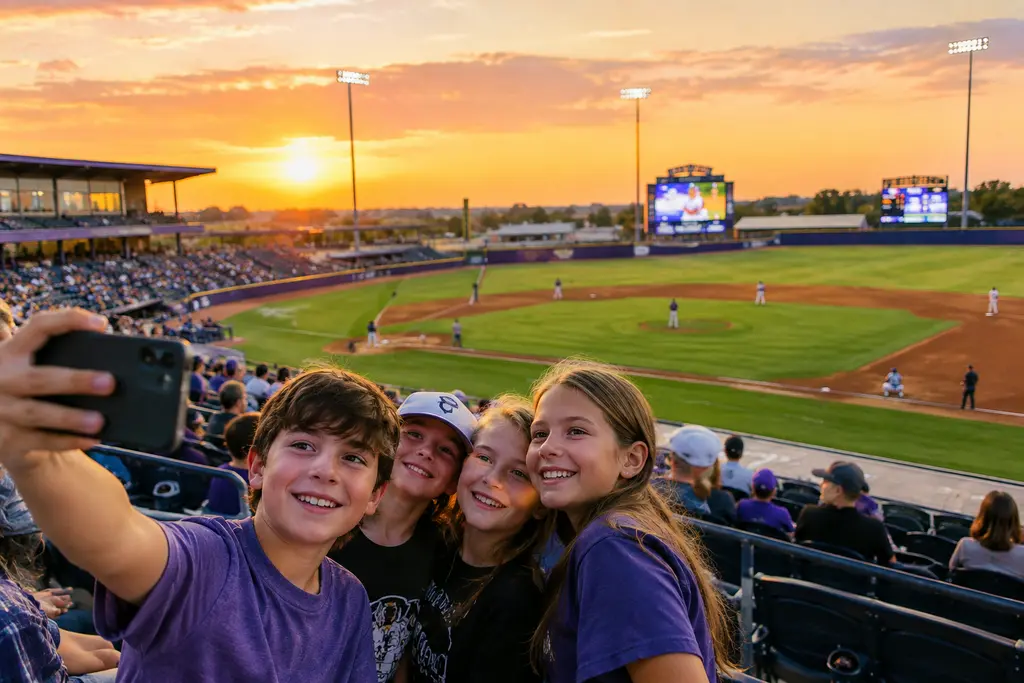

By November 3, 2026, the ACU Ballpark Renovation had already moved from construction news into the daily rhythm of Abilene baseball. Crutcher Scott Field at Bullock Brothers Ballpark was no longer simply an older college park with familiar sightlines. It had become a sharper home for Wildcat baseball, summer collegiate baseball, families, students, alumni, and local businesses that build their spring and summer calendars around nights at the yard.
The project mattered because Texas baseball culture is not only measured by wins, standings, or postseason brackets. It is also measured by where grandparents sit with grandkids, where former players return, where recruits picture their college years, and where a city sees itself reflected in a ballpark. ACU’s work touched each of those points without erasing the name that long tied the venue to Wildcat baseball.
What The ACU Ballpark Renovation Changed
The $17.5 million project was completed across about nine months during 2024 and 2025 by the Linbeck Group, and it later earned Engineering News-Record recognition as the Best Sports and Entertainment Construction Project in Texas and Louisiana for 2025, according to an ACU report on the award. That honor gave the Abilene project a regional construction marker, but the local meaning showed up in the seats, lights, shade, and player areas.
ACU Ballpark Renovation And Fan Comfort
The most visible fan-facing changes included chairback seating, a homeplate grandstand bowl with 1,566 spectators, first-baseline seating, and an overall capacity that remained approximately 4,000. For a college baseball venue in West Texas, those numbers matter. They point to a park built for conference weekends, alumni gatherings, youth teams, and families who want a more comfortable place to stay through a full nine innings.
The open-air Autrey Family Pavilion along the first-base line added shade and a social feel to that side of the park. LED illumination also changed what night baseball could feel like in Abilene. Better lighting was not only a cosmetic upgrade; it supported evening games, improved the setting for fans, and helped bring the facility closer to the standards required for NCAA Division I regional postseason baseball tournaments.
Player Spaces Beneath The First-Base Seats
The ACU Ballpark Renovation also changed the daily work of the team. Under the first-base seating, ACU added the Wessel Family Player Development Center, which included locker rooms, a team meeting room with theater-style seating, coaches’ offices, restrooms, and showers. Those areas told a story that Texas college baseball families understand well: player development happens in bullpens and batting cages, but it also happens in meeting rooms, recovery spaces, and the steady routines of a team home.
A new artificial turf playing surface replaced the previous field during the winter break before the 2025 season. In a region where weather and scheduling can press hard on college baseball operations, turf helped frame the ballpark as a more dependable training and game site. The renovation did not just dress up the seating bowl; it changed how the program prepared, hosted, and presented itself.
A Nine-Month Build With A Texas Award
Renovation work officially began in May 2024 and carried through early 2025. Phase One began immediately after the 2024 season and was set to finish in time for the 2025 season’s first home game, according to the ACU athletics announcement. That timing gave the project a familiar Texas baseball tension: build fast, protect the schedule, and have the field ready when players and fans returned.
From May 2024 To The 2025 Home Slate
The construction calendar carried weight because baseball facilities live by dates. Offseason windows are short. Teams need practice time, coaches need recruiting continuity, and fans need confidence that a home schedule will feel stable. ACU’s renovation ran through the break between the 2024 and 2025 seasons, then the upgraded venue officially debuted with a Western Athletic Conference game against Utah Tech on April 12, 2025.
That grand opening gave the project a public marker. The ballpark had new seating, a new press box, fresh lighting, and named spaces that tied donor support to the daily life of the stadium. For Abilene, the event did more than open gates. It placed a renovated baseball home back into circulation for students, alumni, local families, and visiting fans.
Why The ENR Honor Carried Local Weight
Construction awards can sound distant from baseball, but this one landed close to the game. Engineering News-Record’s Texas and Louisiana recognition placed the project among major regional sports and entertainment builds. For ACU, that gave the university and Abilene a shared talking point: a college baseball venue in their city had earned notice beyond the Big Country.
That matters in recruiting and community identity. A ballpark does not sign a player by itself, and no building wins a conference series on its own. Still, facility quality affects how athletes, parents, alumni, and visiting programs read a campus. In Texas, where baseball talent moves through high school, select ball, junior college, and Division I programs, the physical home of a team becomes part of the story coaches tell.
Abilene Game-Day Culture After The Rebrand
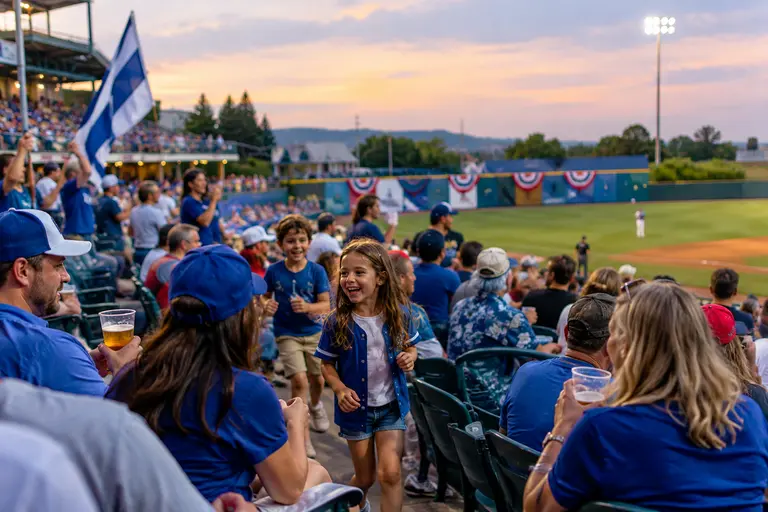
The venue’s updated name, Crutcher Scott Field at Bullock Brothers Ballpark, honored Joe Bullock, class of 1980, and Robert Bullock, class of 1981. It also kept Crutcher Scott Field in the identity of the place. That balance mattered. Texas baseball people care about names because names carry families, former players, donors, and the seasons that came before the latest scoreboard or seating section.
Names That Connect Generations
Several internal areas also received family or donor names, including Mabee Courtyard, Autrey Family Pavilion, McCaleb & Miller Team Room, and Bourland Family Classroom. Those names made the project feel less like a single construction package and more like a map of relationships around ACU baseball. In a college town, that matters because the ballpark is not only a venue; it is a gathering place shaped by memory, giving, and repeat attendance.
The rebrand arrived at a time when Texas college baseball facilities were receiving closer attention across the state. Fans have seen similar questions surface in San Marcos, where Texas State baseball facility upgrades tied player development and fan comfort to local pride. ACU’s version had its own Abilene accent, shaped by private giving, Western Athletic Conference competition, and a ballpark that needed to serve more than one audience.
Summer Baseball Added Another Layer
In spring 2026, Crutcher Scott Field at Bullock Brothers Ballpark became the home stadium of the Abilene Flying Bison, a summer collegiate team. As part of that step, the stadium underwent an added $600,000 expansion, and the 4,000-seat capacity was reaffirmed. That move extended the ballpark’s calendar past the college season and gave Abilene more baseball nights after ACU’s spring schedule ended.
For local restaurants, hotels, youth teams, and families, summer collegiate baseball can stretch the value of a facility. It brings another reason to meet near campus, another set of players for young fans to watch, and another use for a stadium that had just been renewed. The ACU Ballpark Renovation therefore became part of a wider Abilene sports pattern, not just a campus upgrade.
What ACU Ballpark Renovation Means For Abilene Baseball
The best Texas baseball venues carry more than a scoreboard. They carry habits. They teach young fans how to keep score, give alumni a reason to return, and give local businesses a pulse around game days. Crutcher Scott Field at Bullock Brothers Ballpark now sits in that role with more seating comfort, better lighting, stronger team spaces, and a name that links the past to the present.
The ACU Ballpark Renovation did not change Abilene into a baseball town by itself. Abilene already had the people, the families, and the college sports loyalty. What the project did was give that culture a better home. By the close of 2026, the renovated park stood as a clearer expression of what Texas baseball often does best: bring athletes, donors, students, neighbors, and summer-night crowds into one shared place.