
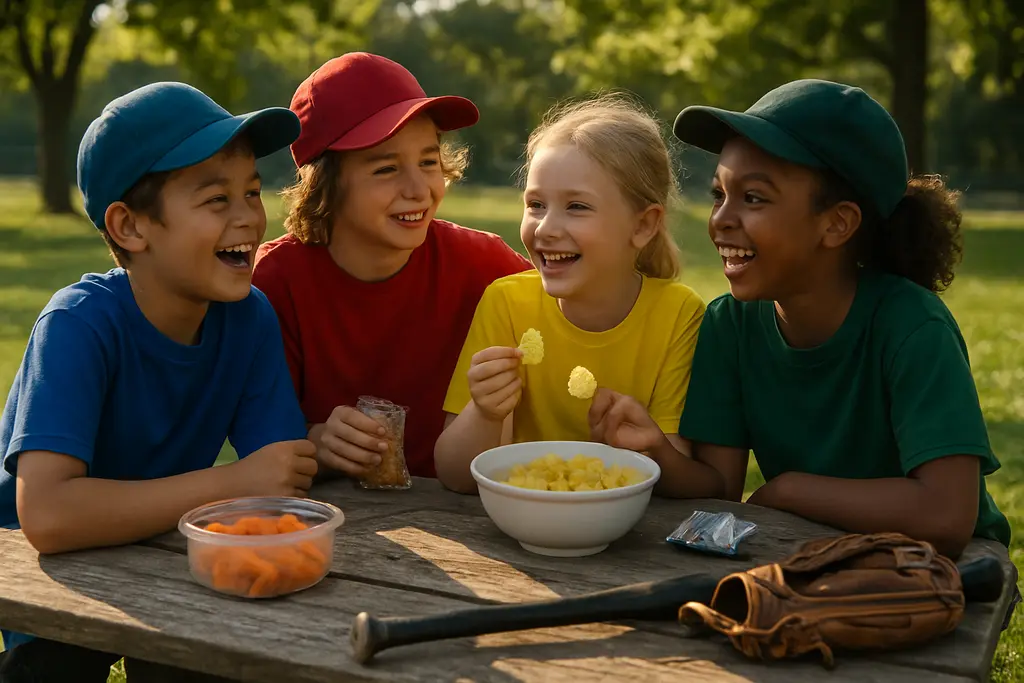

RBI Austin baseball has become one of the clearest examples of how youth baseball can bind a Texas neighborhood through coaches, families, volunteers, and affordable access. In 2025, RBI Austin served 1,706 youth ages 4-18, a major rise from 118 kids in 2011, according to its 2025 summer sponsorship materials. Those numbers matter because they show more than participation. They show a baseball network that now reaches across school districts, age groups, and family routines in and around Austin.
The organization’s growth also helps explain why its story fits Texas baseball culture. Baseball here is often measured by Friday night lights, weekend tournaments, high school rivalries, and college recruiting boards. RBI Austin’s work sits closer to the roots. It asks whether a child can afford a league fee, whether a volunteer coach can become a steady adult presence, and whether East Austin can keep baseball tied to local families as the city changes around them.
How RBI Austin baseball Builds Community
RBI Austin baseball And Affordable Access
The first community-building piece is cost. For the 2026 Summer League, RBI Austin listed a $90 fee for ages 13-18 from AISD, Manor ISD, Pflugerville ISD, Elgin ISD, and Del Valle ISD, while out-of-district players were listed at $300. Jr. RBI local fees were listed from $20 to $30, with higher fees for out-of-district players, according to the organization’s league registration page. Those fee differences show a clear priority: local access for families in the Austin-area districts the program serves most directly.
That price structure matters in a city where youth sports can become expensive before a player reaches middle school. Registration, gear, travel, private instruction, and tournament costs can shut families out long before a coach ever evaluates talent. RBI Austin baseball answers that pressure by keeping entry points closer to neighborhood budgets. It does not remove every cost tied to the sport, but the listed fees show an effort to keep baseball and softball within reach for local families.
Teams As Weekly Meeting Places
Community forms through repetition. A youth team is not only a roster. It is a weekly calendar for parents, siblings, volunteers, and young players learning how to show up. In 2025, RBI Austin had 659 volunteers contribute a record 49,898 hours to coaching, mentoring, umpiring, and support roles. That volunteer base is one of the organization’s strongest signals of local buy-in.
Those hours represent rides, practices, scorekeeping, dugout conversations, field setup, and the slower work of trust. In Texas baseball towns, the field often becomes a public square. People talk about school, work, church, transportation, and family life while a game moves from inning to inning. RBI Austin’s model brings that feeling to youth players who may not otherwise have a steady baseball home.
The Youth Pipeline From League Play To Mentoring
Academy Results And College Pathways
RBI Austin’s work extends beyond seasonal league play. Through its Academy programs in 2025, the organization reported 100% academy-to-college participation for Baseball Academy graduates, with 9 of 9 taking that step, and 1 of 3 Softball Academy graduates doing the same. The numbers are small enough to read carefully, yet they point to the program’s player-development purpose: use baseball and softball as part of a wider plan for school, discipline, and post-high-school direction.
That matters for Texas baseball families because development is often discussed only in terms of velocity, exit speed, showcases, or travel schedules. RBI Austin keeps the sport connected to education and mentorship. For a player, the value of a season can include learning how to handle failure at the plate, how to respond to coaching, and how to plan beyond the next game.
Mentors Around The Diamond
The Player Discipleship Program described in the research pairs 9th-12th graders with adult mentors to build character, spirituality, and consistent relationships. That structure makes baseball a meeting point rather than the only goal. The diamond gives the relationship a rhythm, but the purpose reaches into habits, accountability, and belonging.
This is where the cultural impact becomes visible. A coach who stays involved past the final out can change how a young athlete sees school, teamwork, and responsibility. A mentor who knows a player’s family context can help steady the ups and downs that come with high school sports. RBI Austin baseball uses the sport’s familiar structure to create those repeated connections.
That approach also fits a broader Texas pattern: local businesses, nonprofits, and volunteers often keep youth baseball alive where public budgets and family budgets feel pressure. Our prior reporting on Texas youth baseball support shows how sponsorships, community donations, and local relationships can help sustain fields, uniforms, and access.
East Austin Fields, Volunteers, And Local Identity

Facility Plans And Neighborhood Stakes
RBI Austin has planned a permanent Youth Development Complex on 33 acres in East Austin off Loyola Lane, with a headquarters building, an outdoor ball field, and a covered turf field. The research notes say the organization planned to break ground in mid-2026; because the supplied material does not confirm whether that milestone occurred by September 29, 2026, the status should be read with that limit in mind.
Even with that uncertainty, the planned site carries meaning. East Austin has long been central to conversations about access, growth, and displacement. A youth baseball and softball complex can become more than a place to play if it remains connected to the families it was designed to serve. Fields shape habit. They decide where teams gather, how far parents drive, and whether young players see a long-term home for their sport.
Summer Softball And Shared Service
In the 2026 summer, the RBI Austin Softball Academy trained with the Texas Volts and volunteered at the MLB “Play Ball” event in June. That combination of training and service says something about the organization’s sports culture. It treats athlete development and civic participation as linked parts of the same season.
Softball deserves attention in this story because community baseball programs can sometimes let girls’ pathways sit in the background. RBI Austin’s Academy data and summer softball activity show that the softball side is part of the organization’s identity, not a side note. The 2025 Academy college-participation numbers also make clear that the softball pathway has room to keep growing.
Why RBI Austin baseball Matters In East Austin
RBI Austin baseball matters because its impact is not limited to wins, standings, or a single tournament weekend. Its 2025 reach, volunteer base, mentoring programs, affordable fee structure, and East Austin facility plans all point to a bigger sports story: baseball can still serve as a neighborhood connector when access is treated as part of player development.
For Texas baseball readers, the lesson is direct. The strongest youth programs are not built only by finding the best athletes. They are built by keeping the field open to more families, training volunteers, connecting older players with mentors, and making the sport feel local enough that people want to keep showing up. In a growing Austin, that kind of baseball presence can help protect community ties one practice, one dugout talk, and one season at a time.