
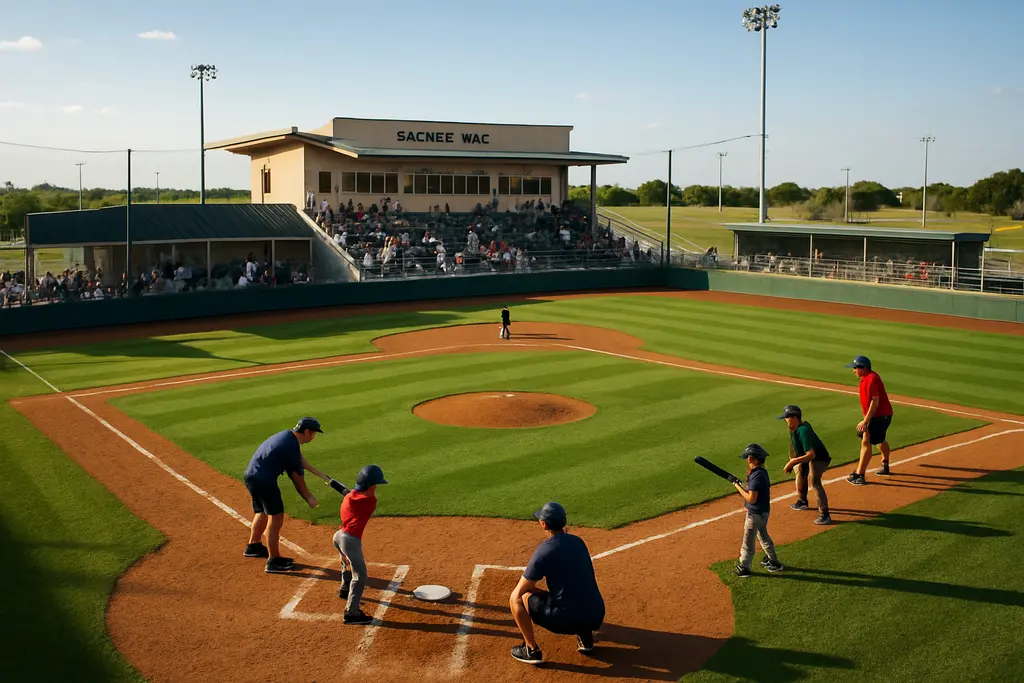

The Sachse MAC opened on September 3, 2026, giving Sachse High School a new Multi-Program Activity Center with clear meaning for baseball, softball, outdoor sports, fine arts, special education, and campus programs that need dependable space. Garland ISD marked the opening with a ribbon-cutting ceremony, describing the facility as a new point of Mustang pride Garland ISD announcement. For baseball families, the story is not only about an indoor building. It is about how a Texas school community protects practice time, supports player development, and links athletic identity to a larger campus investment.
Sachse has long sat in a part of North Texas where weather can shape daily sports decisions. Heat, storms, wet fields, and tight practice windows can cut into repetitions for hitters, pitchers, catchers, and fielders. The new facility does not replace the baseball field. It adds another layer of preparation, especially when coaches need a safe, controlled setting for conditioning, defensive footwork, throwing progressions, team meetings, or strength work tied to the larger athletic calendar.
Why The Sachse MAC Matters To Baseball
Sachse MAC Practice Value
The Sachse MAC includes a full-length, 80-yard indoor turf field, a feature that matters for baseball even though the sport is still rooted in dirt, grass, dugouts, and the rhythm of outdoor play. An indoor turf field can support base-running reads, outfield communication drills, long-toss adjustments when conditions allow within program rules, and general movement work when outdoor fields are unavailable. It can also help multisport athletes, a common part of Texas high school baseball culture, keep training time steady across football, track, soccer, and baseball demands.
Baseball development is built on repetition. A missed afternoon may not sound large to outsiders, but coaches and athletes know how fast missed days stack up during a school week. The value of an indoor field is not that every baseball activity moves inside. The value is choice. A staff can shift portions of work indoors while protecting the game field, keeping athletes active, and avoiding a lost day when weather or field conditions would otherwise interrupt preparation.
From Fieldhouse Space To Team Routine
The fieldhouse component listed in district project details adds another baseball benefit: support space. Locker rooms for outdoor sports, coaches’ offices, a weight room, meeting rooms, athletic training areas, laundry space, and storage all matter in ways that do not always show up on a scoreboard. For baseball, those spaces can shape daily habits: where athletes meet, how equipment is stored, how recovery is organized, and how coaches communicate before practice.
In many Texas communities, baseball facilities are judged by more than seating or turf. Families look at whether students have safe spaces to prepare, whether practice plans can survive bad weather, and whether the school is investing across programs rather than treating one team as an afterthought. Sachse’s new activity center gives outdoor teams a shared home base that can support that day-to-day structure.
Bond Work Connects Fields And Campus Identity
Opened After A 2025 Groundbreaking
The project did not appear overnight. Sachse High School held its groundbreaking for the new facility on July 25, 2025, according to local coverage from Sachse News Sachse News report. That timeline matters because it places the facility inside a broader period of visible campus change. For families, athletes, and alumni, construction equipment near a school is more than a sign of spending. It signals that the district is making room for future teams, future band practices, future special education programming, and future student gatherings.
The activity center is part of Garland ISD’s 2023 Bond Program, which included Multi-Program Activity Centers at all seven district high schools. That detail gives Sachse’s project a district-wide frame. This was not a single-campus upgrade built in isolation. It was part of a larger facilities approach aimed at giving high schools similar types of indoor practice and program space.
Baseball Field Improvements Add Context
The indoor facility also arrives alongside baseball and softball field improvements at Sachse under Bond 2023. Research notes list the baseball and softball work as complete under “Part 1,” including synthetic turf, new dugouts, backstop wall and netting, and bleacher canopies. That pairing is important. Indoor practice space helps teams train when conditions shift, while outdoor field upgrades shape the game-day setting for athletes and families.
For baseball supporters, the two pieces should be read together. A high school baseball program needs a field that can host games and practices, but it also benefits from nearby support spaces that help athletes prepare. In Texas, where spring schedules can be compressed by rain and where summer heat influences conditioning, the mix of upgraded fields and indoor access can help coaches protect more of the training week.
Other Texas districts are asking similar questions about facilities, team travel, and campus pride. The conversation around Bowie baseball support shows how field work, seating, lighting, and training spaces can shape the experience for athletes and families beyond one school district.
Community Uses Beyond The Baseball Diamond
A Shared Resource, Not A Single-Team Building
A useful part of the Sachse story is that the facility is not only for baseball or even only for athletics. Research notes state that it also serves fine arts, special education, and other academic programs. That matters in a high school setting because public facilities carry the most meaning when more students can claim them as part of campus life.
Baseball families can appreciate that broader purpose. A strong local sports culture is not built by separating athletes from the rest of the school. It grows when Friday rehearsals, weekday practices, training sessions, and student support programs share a campus rhythm. The same indoor space that helps an outfielder stay active during a stormy afternoon may also help a fine arts group rehearse or an academic program use protected space for instruction.
Local Pride In A Texas Sports Town
Sachse sits in a region where school sports often pull generations together. Parents, grandparents, teachers, and local businesses tend to know the fields, the parking routines, and the names of students who move from youth leagues into high school uniforms. A new facility becomes part of that shared map. It gives the school a physical marker for ambition, but it also raises practical questions about access, scheduling, maintenance, and how different programs share time fairly.
For baseball, that local culture shows up in quiet ways. It is the family that arrives early for a district game, the former player who checks on field improvements, the coach who balances player development with class schedules, and the student who plays more than one sport. The new activity center supports those patterns by giving the campus more options when the week gets crowded.
What The Sachse MAC Means For Local Athletics
The Sachse MAC gives the Mustangs a modern indoor practice setting, but its larger value is practical and cultural. It connects baseball to a shared campus resource rather than separating the sport from the rest of school life. It also sits beside completed baseball and softball upgrades that help the outdoor side of the sport feel current for players and families.
There are still details not established in the available research. Published notes do not provide baseball-specific practice schedules, attendance figures, stadium-style capacity, or a full breakdown of how many hours each program receives inside the building. Without those details, the safest reading is direct: Sachse High School now has an indoor turf facility and fieldhouse support spaces that can help baseball and other programs reduce weather disruptions, organize team routines, and strengthen the bond between school identity and local athletics.
For Texas baseball communities, that is a meaningful shift. Player development starts with coaching and commitment, but facilities can either support or limit the work. Sachse now has more room to keep athletes active, protect preparation time, and bring more students into the same campus sports story.