

Texas State Baseball has moved into a new facility chapter in San Marcos, one built around player development, donor support, and a ballpark that carries a new name. The campus baseball home is now Irvine-Rasmussen Ballpark, and the facility conversation has shifted from basic upkeep to how the Bobcats train, host fans, and represent a growing Central Texas sports community.
For people who follow college baseball in Texas, this is not just a construction note. A college ballpark sits inside daily life: parents drive in for weekend series, students make spring nights part of campus memory, youth players study the bullpen and batting cage routines, and local businesses feel the rhythm of home games. Texas State’s work matters because it ties the athletic department’s goals to San Marcos pride.
Texas State Baseball Facilities Gain A New Frame
How Texas State Baseball Changed Its Home
The most visible change came with the official identity of the venue. The baseball stadium is now Irvine-Rasmussen Ballpark, named after alumni families connected to major support for Bobcat baseball and softball facilities. Facility names carry weight in college sports because they turn private giving into a public marker. In San Marcos, that name now greets visiting teams, returning alumni, and families sitting under the Central Texas sky.
The ballpark itself remains a campus-sized venue rather than an oversized pro-style park. Texas State lists capacity at about 2,500 total, including 2,000 seated patrons and standing-room space for 500 more. The seating mix includes premium chairback seats, bench back metal bleachers, and four luxury suites that can hold up to 12 patrons each, according to the official ballpark profile. That scale is part of its personality. It is large enough to carry noise, but still close enough for fans to hear the dugout energy and feel the inning-by-inning mood of a college game.
What Phase I Puts On The Calendar
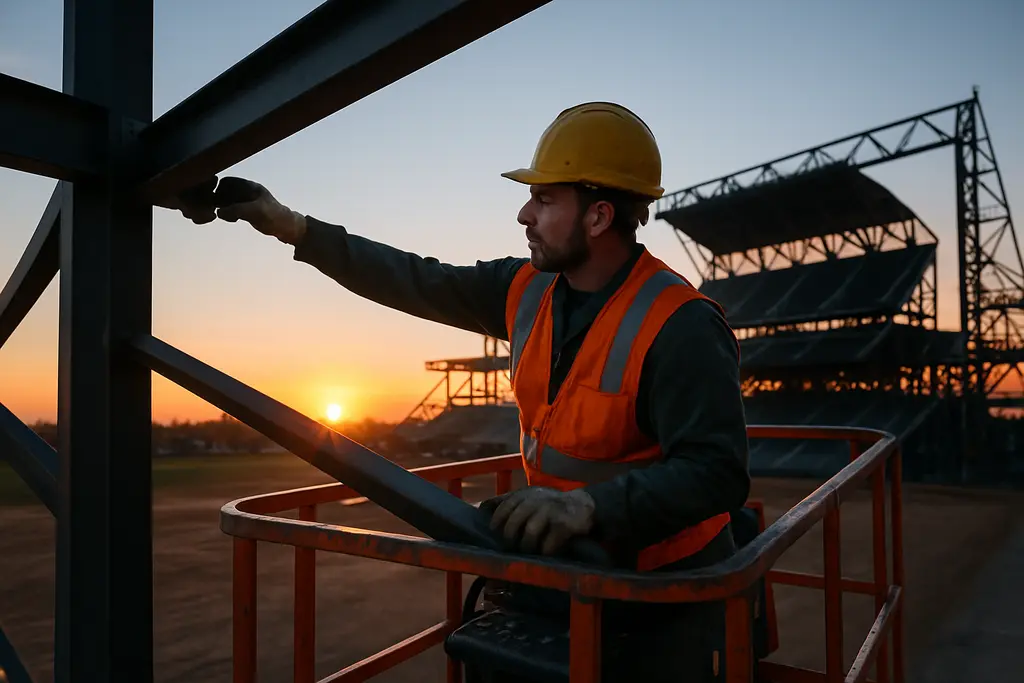
The strongest facility signal is the Ballpark Improvements Phase I project. Texas State’s construction listing describes a scope that includes new batting cages and a pitching lab for baseball and softball, with an estimated budget of $4.5 million. The public schedule placed construction start in October 2026 and completion in June 2027, with the project status listed as design development on the Ballpark Improvements Phase I page.
Because today is October 19, 2026, the timing should be read with care. The official project page identified October 2026 as the scheduled start, but the available listing did not confirm whether crews had already begun work by this date. That matters for fans and families trying to understand what they might see around the venue during fall activity. What is clear is the direction: Texas State is putting real facility planning behind the daily work of developing hitters and pitchers.
Player Development Moves Closer To The Field
Batting Cages, Pitching Work And Daily Reps
College baseball gains are often made away from the scoreboard. The batting cage, the bullpen session, the weight room, and the recovery routine are where a roster builds trust in its preparation. The Phase I plan’s focus on cages and a pitching lab speaks to that daily grind. For Texas State Baseball, those spaces can affect how players use time between classes, practices, and games.
That is especially important in a state where baseball talent is spread from large metro programs to small-town diamonds. A stronger development space in San Marcos gives the Bobcats another piece in the recruiting and retention conversation. The facility does not take swings or throw strikes, but it can shape how often athletes can train, how coaches can teach, and how quickly players can adjust their work after a rough outing or a strong weekend.
Why The Pitching Lab Matters Locally
The pitching lab detail has caught attention because it speaks to a modern training need without losing the old Texas feel of repetition and accountability. Pitchers still need command, toughness, and feel. They also benefit from controlled spaces where coaches can study movement, mechanics, and workload with more structure. For readers who want a closer look at that part of the project, our earlier report on the Texas State pitching lab explains why this type of training area fits the Bobcat program.
Softball is part of the same facility push, which also matters in San Marcos. Shared investment across both programs tells young athletes that the school is not treating development as a side feature. It is becoming part of the athletic department’s physical footprint. That message lands with high school players, travel ball families, and former Bobcats who want the next generation to have better daily tools than the last one did.
Game-Day Culture At Irvine-Rasmussen Ballpark

Seats, Suites And Shade For Families
A ballpark upgrade is never only for players. Fans judge a venue by sightlines, comfort, access, concessions, and the feeling that the place belongs to them. Irvine-Rasmussen Ballpark already offers several seating types, including chairback seats, metal bleachers with backs, and suite space. Many premium chairback seats sit under a cantilever roof, a practical detail in a Texas spring when sun and wind can shape the whole afternoon.
Those fan details matter because college baseball crowds are often built from repeat visits. A family may not attend every game, but comfort can turn one weekend series into a tradition. Students may stop by after class. Alumni may plan a return around a conference opponent. Youth teams may sit together and picture themselves on the same field. In that setting, facility improvements are a form of invitation.
Media, Boards And The Shared Night Out
The official facility profile also notes press box features that include individual broadcast booths with wireless internet access and expanded media workspace. That may sound like an inside-baseball detail, but it affects how the story of Texas State Baseball travels beyond the seats. Broadcasts, game reports, photos, and interviews all help connect parents, alumni, and recruits who cannot be in San Marcos on a given night.
Recent upgrades also brought wider use of digital scoreboard technology to baseball and softball before the 2026 season, based on Texas State’s facility information. A board does not replace the sound of a hard-hit double or the hush before a full-count pitch, but it does help organize the shared experience. Lineups, replays, game prompts, and sponsor messages can make a campus venue feel more connected without losing its local character.
There is a business piece here as well. When a college ballpark improves, nearby restaurants, hotels, and shops can benefit from more confident fan planning. Visiting families need meals. Alumni groups need meeting spots. Local sponsors need places where their support is visible to people who live in the region. The most meaningful stadium projects in Texas are the ones that keep athletic ambition tied to town life.
Why Texas State Baseball Enhancements Matter In San Marcos
A Campus Project With Town Meaning
The next stage for Texas State Baseball is not defined by concrete alone. It is defined by whether these facility moves help the Bobcats build better practice habits, stronger fan routines, and a deeper bond with San Marcos. The scheduled Phase I work gives the program a clearer development base, while Irvine-Rasmussen Ballpark gives fans a named home with seating options, media infrastructure, and space for the rituals that make college baseball personal.
San Marcos has its own sports rhythm. It is a college town, but it is also a place where families, students, alumni, and local businesses overlap on game days. Baseball fits that rhythm because it leaves room for conversation between pitches and because the season stretches across the part of the year when Texas evenings start pulling people outside.
The practical question now is how the project timeline unfolds after the October 2026 construction window listed by Texas State. The public record supports the basics: Phase I centers on batting cages and a pitching lab, the budget is estimated at $4.5 million, and completion was scheduled for June 2027. For the Bobcats, that means the facility story should be measured not by slogans, but by how the finished spaces serve athletes and welcome the people who make the ballpark feel like San Marcos.