
As of September 5, 2026, USSSA Texas Tournaments on the youth travel baseball calendar stretch from West Texas to the Gulf Coast, with listed events in Midland, El Paso, Axtell, Katy, Lubbock, Houston, Ennis, Amarillo, San Antonio and Lorena. TrueTourney lists a 2026–2027 Texas baseball calendar with 88 events on its Texas USSSA tournament page.
That spread matters because youth baseball in Texas is not just a weekend hobby. It shapes family schedules, hotel choices, meal stops, fall training plans and the way young players learn to compete outside their home leagues. The listed events include State Qualifiers, Double State Qualifiers, USSSA NIT events and a Global World Series Qualifier, giving teams different levels of competitive stakes without leaving the state.
Fall Schedule Across Texas
September Dates Already On The Board
The first September listings put immediate pressure on roster planning. The Back to School Bash was listed for September 5-6, 2026, in Midland for ages 7U-14U as a State Qualifier with an entry fee around $578. In El Paso, the LDT Labor Day Tournament was listed for September 5-7, 2026, for 5U-16U divisions as a Global World Series Qualifier, with fees ranging from about $299 to $798. Axtell also appeared on the calendar with the USSSA/WBT Turf Takeover on September 5, 2026, for ages 6U-18U as a State Qualifier at about $150.
Those three listings alone show how wide the Texas youth baseball map can be on a single date. Midland, El Paso and Axtell are not close substitutes for most families. Each trip asks parents to weigh innings, travel time, school-year routines and the value of facing unfamiliar competition. For players, those games can become early fall measuring points after summer ball has passed and before cooler October weekends arrive.
- September 5-6: Back to School Bash, Midland, 7U-14U, State Qualifier, about $578.
- September 5-7: LDT Labor Day Tournament, El Paso, 5U-16U, Global World Series Qualifier, about $299-$798.
- September 5: USSSA/WBT Turf Takeover, Axtell, 6U-18U, State Qualifier, about $150.
- September 12-13: Top Gun NIT, Katy, 7U-14U, USSSA NIT, about $175-$395.
October Brings NIT And Qualifier Depth
October adds more regional options and more qualifier labels. October Scream was listed for October 10-11, 2026, in Lubbock for 7U-14U teams as a Double State Qualifier at about $640. The Major League NIT was listed for October 17-18, 2026, in Houston for ages 7U-14U as a USSSA NIT event with fees from about $200 to $425. On the same dates, Ennis had the Batman vs Joker NIT for ages 6U-14U, with both State Qualifier and NIT status and fees around $125-$375.
The final listed October weekend carried several choices. Halloween Howl was listed for October 24-25, 2026, in Amarillo for 7U-18U divisions as a Double State Qualifier at about $525. Scared Hitless NIT was listed for October 24-25, 2026, across Katy and San Antonio, with 7U-14U divisions in Katy and 6U-14U divisions in San Antonio, with fees around $125-$425. The USSSA/WBT Fall Classic was listed for October 24-25, 2026, in Lorena for ages 6U-18U as a State Qualifier at about $150. The event names, dates, divisions and listed fees come from TrueTourney’s Texas schedule.
Why USSSA Texas Tournaments Matter Locally
USSSA Texas Tournaments By Region
USSSA Texas Tournaments link very different baseball communities through one fall calendar. West Texas families see Midland, El Paso, Lubbock and Amarillo in the listings. Central Texas families see Axtell and Lorena. The Houston-area corridor shows up through Katy and Houston, while Ennis gives North Texas-area teams another October option. San Antonio adds South Texas weight to the same October 24-25 slate.
That geography is a Texas baseball story on its own. A team based near Houston does not experience the calendar the same way as a team from the Panhandle or the Permian Basin. Long drives, early report times and multi-day hotel stays shape how families judge a tournament. Coaches also have to think about pitching plans, catcher workloads and player rest when a schedule stretches across two or three days.
A Youth Pipeline With Family Costs
For many Texas baseball families, USSSA Texas Tournaments sit between local league play and higher-pressure showcase environments. The age ranges in these listings run from 5U at the LDT Labor Day Tournament to 18U at events in Axtell, Amarillo and Lorena. That range shows how early families can enter travel baseball and how long the tournament model can stay part of a player’s development path.
Entry fees also matter. The listed amounts range from about $125 for some events to about $798 at the upper end of the LDT Labor Day Tournament range. Those figures do not include fuel, lodging, meals, gate policies or time away from other commitments. Families comparing tournament play with instruction time can also read our Texas youth baseball training story, which fits the same player-development conversation.
What USSSA Texas Tournaments Mean For Families

Planning Around Dates, Ages, And Entry Fees
USSSA Texas Tournaments give families a clear set of questions before a roster is committed. Is the event a State Qualifier, Double State Qualifier, USSSA NIT or Global World Series Qualifier? Does the age group match the roster’s needs? Is the fee near the lower end of the listed range, or does it sit closer to a major travel expense? Those questions are not side details; they shape who can participate and how often.
Coaches also have to weigh competition level against player growth. A younger team may need reps more than a trophy chase. An older team may use a qualifier to test roster depth, pitching usage and defensive communication. The best value is not always the largest bracket or the farthest trip. In Texas, where distance can turn one tournament into a full family weekend, the fit between event and team matters.
Community Value Beyond The Bracket
The local impact is part of the story. A tournament weekend can send families into nearby restaurants, gas stations and hotels, especially in places where youth sports traffic is a regular part of fall weekends. The research provided here does not list attendance totals, hotel blocks or local spending figures, so those effects should be discussed with care. What is clear from the schedule is that tournament baseball is spread across many Texas communities rather than gathered in only one metro area.
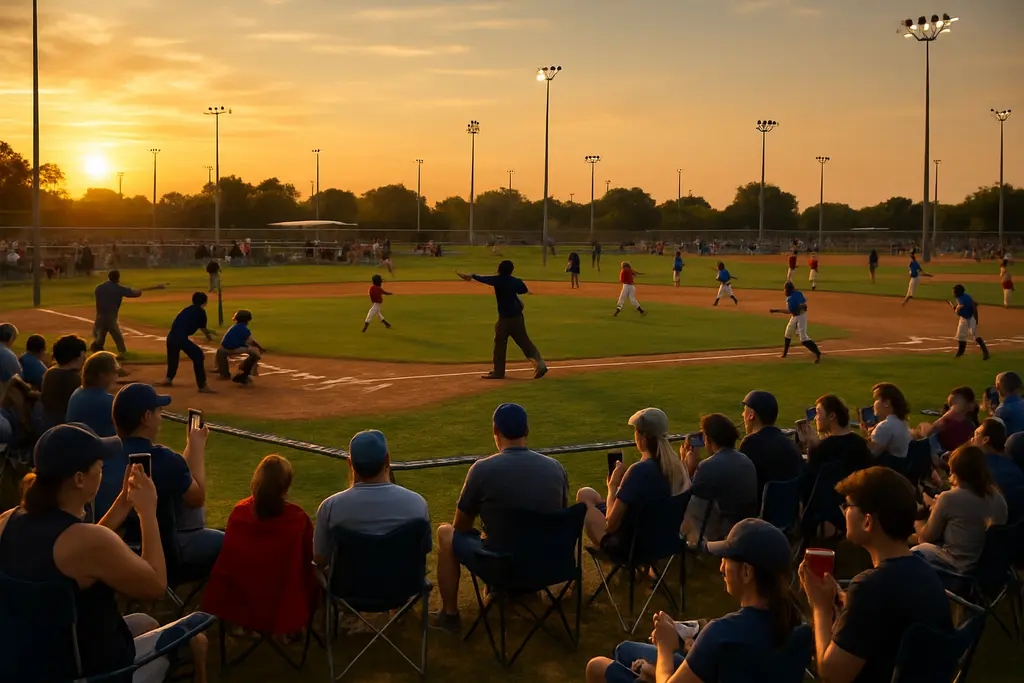
That spread helps explain why youth baseball keeps such a strong cultural hold in the state. The ballfields become meeting points for grandparents in folding chairs, siblings chasing foul balls, coaches teaching between innings and players learning how to handle a long day in cleats. The posted fall slate gives those communities a shared calendar, but each stop carries its own local rhythm.
For Texas baseball readers, the main takeaway is simple: USSSA Texas Tournaments are not just bracket listings. They are part of how young players measure progress, how families spend fall weekends and how towns across the state stay connected to the game.