


Texas baseball infrastructure is moving from sketch boards and capital plans into choices that affect fans, players, neighborhoods, and city identity. The clearest examples on the board in 2026 sit in San Antonio and College Station: one tied to a new professional ballpark district, the other tied to player development and fan areas at a major college venue.
For Texas baseball people, these projects are not only about concrete, seats, and scoreboards. They ask familiar questions in a new form. Where do families gather before first pitch? How close should a ballpark sit to hotels, restaurants, and downtown streets? What does a modern player development space mean for recruiting, coaching, and daily training? Those questions sit at the heart of baseball culture across the state, from summer travel weekends to packed college nights.
Why Texas baseball infrastructure Matters Locally
Texas baseball infrastructure And The Downtown Ballpark Question
San Antonio offered the sharpest 2026 example of a city trying to link pro baseball with downtown planning. In April 2026, the city’s Historic Design and Review Commission granted conceptual approval for a proposed downtown ballpark for the San Antonio Missions. The project was described as a $160 million stadium plan with 4,500 fixed seats, total capacity of 7,500, apartments, and a hotel, with opening expected in Spring 2028 TPR report.
That approval was not the end of the public process. It marked an early design step for a project that still had to move through more civic review and development work. Even so, the scale of the proposal made it a meaningful baseball marker. The Missions are not being framed only as a team needing a new place to play. The ballpark concept links the club to housing, hospitality, and a downtown district where baseball would share space with daily city life.
How Fans Feel The Stadium Plan
For fans, the seating number tells only part of the story. A 4,500 fixed-seat stadium with total capacity of 7,500 would be built for a more intimate professional baseball setting than the largest venues in Texas. That kind of scale can preserve the close-to-the-field feel that minor league baseball depends on: kids waiting near the rail, families moving through concourses, and regulars building habits around sections, vendors, and pregame routines.
The mixed-use pieces matter because baseball attendance is often shaped before a fan reaches the gate. Hotels affect visiting families and tournament-style travel. Apartments change the daily foot traffic around a venue. Restaurants and nearby entertainment can turn a nine-inning night into a neighborhood gathering rather than a single ticketed event. That does not guarantee success, but it shows why a ballpark proposal carries cultural weight in a Texas city with deep sports loyalties.
Similar questions have already appeared across the state in discussions of how facilities connect to visitor spending and civic planning. Our earlier look at local baseball facility payoffs tracked how venues can shape hotels, dining, retail, and local decisions when cities treat baseball as part of a wider community plan.
College Facilities And Player Development
Blue Bell Park’s Training Signal
Texas A&M’s baseball facility planning points to another side of the same statewide story. At Olsen Field at Blue Bell Park in College Station, the research notes show a major renovation plan tied to seating, fan spaces, premium areas, and player development. The player development piece is the most clearly documented through a state project filing: a Player Development Center with an estimated cost of $24,565,605, about 34,415 square feet, replacement of the existing batting cage facility, and expected completion within calendar year 2026 Project Details.
That kind of project shows how texas baseball infrastructure also sits inside the daily work of athletes and coaches. Batting cages, pitching labs, team meeting rooms, locker rooms, lighting, and playing surface work are not just back-of-house upgrades. They shape how players prepare, how coaches teach, and how programs present themselves to recruits who compare facilities across the college game.
Why Development Space Changes A Program
Baseball development is repetitive by nature. A hitter’s routine may depend on cage access, video review, timing work, and coaching feedback. Pitchers need space to work between outings, track delivery changes, and recover in a setting designed for daily use. A modern player center can centralize that work, reducing the gap between practice field, meeting room, and clubhouse.
For Aggie fans, facility investment also sends a message about expectations. College baseball crowds in Texas often treat the ballpark as a shared home, not just a venue. Planned seating and fan-area improvements, as described in the research notes, show how a program can serve both sides of the game-day relationship: the athletes who carry the season and the supporters who turn weekday and weekend games into local rituals.
That balance is part of what makes college baseball in Texas distinct. Families arrive early, former players return, students build chants and section habits, and local businesses adjust around game traffic. A facility project can respect that culture when it improves comfort without sanding away the character that made the place matter.
Mixed-Use Ballparks And City Planning
San Antonio’s Four-Phase Development Model
The San Antonio research notes describe a wider private development plan valued at $1 billion across four phases, connected to funding for the ballpark. They also describe expected bond activity through the San Pedro Creek Development Authority, with repayment tied to lease payments, ticket fees, and property tax revenue through the Houston Street Tax Increment Reinvestment Zone. Those details matter because stadium finance is not separate from public trust.
Baseball supporters may love the idea of a downtown ballpark, but residents rightly ask how the public pieces work, who benefits, and how the district functions on non-game days. A good baseball district cannot live on first pitches alone. It needs street access, daily use, and a clear relationship with surrounding neighborhoods. The San Antonio proposal is still in the approval and planning path, so the most responsible reading is cautious: the concept has advanced, and the civic details will shape how the project is judged.
Waco’s Longer Timeline
Waco appears in the research notes as a longer-range case. The Phase 4 mixed-use riverfront plan includes a proposed baseball stadium with initial seating of about 6,000 and possible expansion to 7,500. The same notes describe the stadium as part of a larger 2 million gross square foot riverfront development with residential, retail, hotel, and entertainment uses. Construction was not expected before Q1 2033, and as of September 14, 2026, the project was still in design.
Because that timeline stretches well past the current planning window, it should be treated differently from San Antonio’s 2026 approval step or Texas A&M’s state-filed development center. Waco’s concept is useful as a signal: Texas cities continue to see baseball venues as anchors for riverfront and district planning. But the facts available in the research point to design status, not a shovel-ready stadium.
Stadium Investment And Texas Baseball Culture
What Bigger Projects Can Protect
The strongest case for ballpark investment is not simply that new seats are newer than old seats. Texas baseball infrastructure works best when it protects the local rituals that already exist. In San Antonio, that means weighing a new downtown setting against the traditions Missions fans bring with them. In College Station, it means improving training and fan comfort while preserving the sound, pace, and shared identity of Aggie baseball nights.
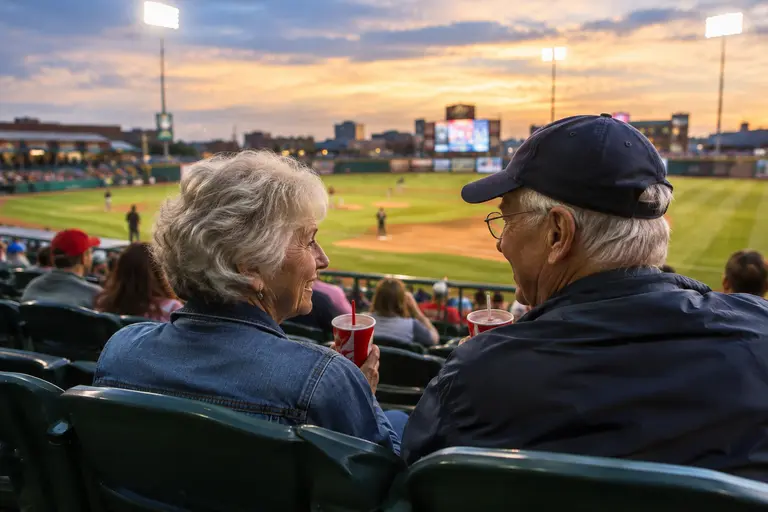
Infrastructure can support culture, but it can also strain it if access becomes harder or prices move away from families. That is why capacity, concourse design, nearby parking, transit options, and food access are sports issues as much as development issues. A ballpark is where grandparents teach scorekeeping, youth players see college and pro athletes up close, and local businesses meet game-day demand. Those parts of the experience deserve as much attention as premium spaces.
- San Antonio’s proposed downtown ballpark connects minor league baseball with housing and hospitality planning.
- Texas A&M’s Player Development Center points to the rising value of daily training spaces in college baseball.
- Waco’s long-range concept shows how baseball remains part of riverfront and mixed-use planning conversations.
What Texas baseball infrastructure Means For Local Fans
For Texas baseball infrastructure, the next few years will be measured by more than ribbon cuttings. San Antonio’s project will be judged by how well the Missions fit into downtown life if the Spring 2028 opening target holds. Texas A&M’s work will be judged by how the Player Development Center supports athletes and how broader ballpark plans serve the fans who give Olsen Field its character. Waco’s idea will remain a longer-range planning story until design status turns into firmer action.
The larger lesson is simple enough for anyone who has spent a night at a Texas ballpark: facilities matter because people attach memories to them. A new batting cage can shape a player’s swing path. A concourse can decide whether a family stays through the ninth. A downtown site can change where fans eat, walk, and gather before the anthem. The future of the Texas game will be built in those details, one project and one community at a time.