
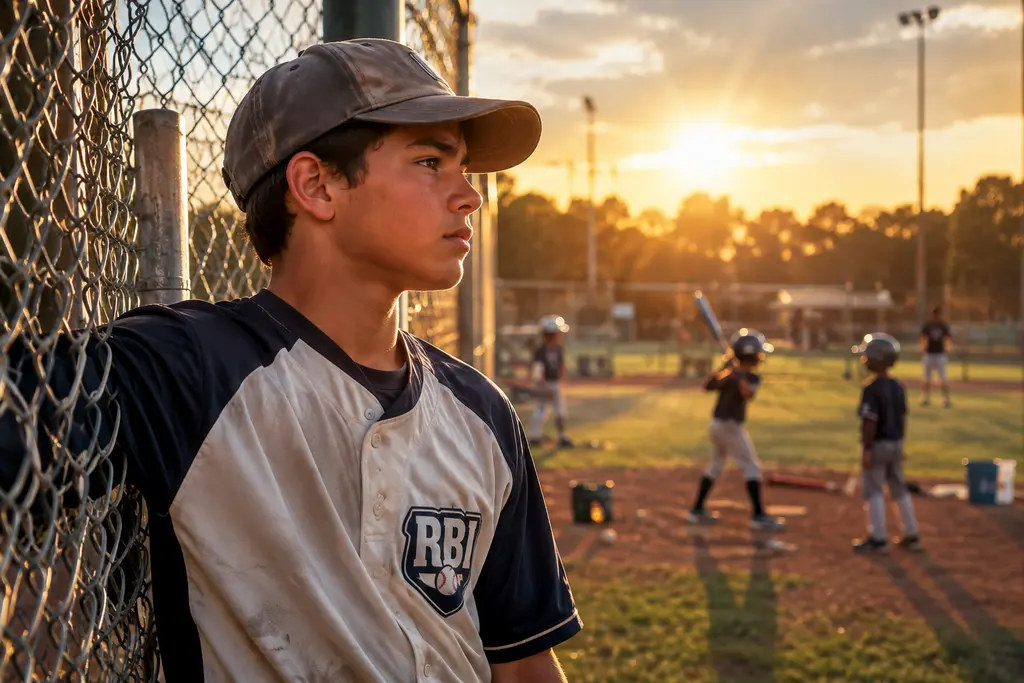

The RBI Austin Complex has moved from long-held ambition to dirt, stakes, and construction talk in East Austin. RBI Austin formally broke ground in October 2026 on its first permanent Youth Development Complex at 7401 Loyola Lane, as reported by Our Austin. For a baseball city that often measures opportunity field by field, this is more than a new address. It is a statement that youth baseball development, academic support, mentoring, and job training belong under the same roof as batting practice and ground balls.
For years, RBI Austin has worked through rented and seasonal facilities. That kind of model can build character, but it also asks families, coaches, and volunteers to stretch schedules around field access. A permanent East Austin home changes the rhythm. It gives the organization a central place to gather, teach, train, and build trust with kids who may first arrive for baseball but stay connected through mentors, classrooms, and teammates.
Why The RBI Austin Complex Matters In East Austin
From Rented Fields To A Permanent Home
RBI Austin served 1,706 kids in 2025 before this facility existed, according to the organization’s own public reporting through Our Austin. The same report said the organization projects serving 3,400 kids annually once the new site is complete and operating at its intended reach. That projected increase matters because youth baseball access is not just about how many uniforms can be issued. It is about how often kids can practice, how coaches can plan, and how families can count on a program being where it says it will be.
In Texas baseball culture, place matters. A sandlot, a high school field, a city park, or a college ballpark can become a family landmark. The new home on Loyola Lane gives RBI Austin a chance to create that kind of anchor in East Austin. The project also continues a story we have covered before about how RBI Austin baseball has connected affordable leagues, mentors, and local field plans.
A Site Built Around More Than Games
The site sits on 33 acres of land that RBI Austin acquired in 2018, and CultureMap Austin reported that planned features include an outdoor multiuse baseball field, a weight room, a headquarters building with classrooms, restrooms, storage, and a shade structure CultureMap Austin. Those details show the project’s broader purpose. It is not framed only as a game-day park. It is a year-round development site where baseball shares space with education and career preparation.
That combination fits how many Texas families already experience youth sports. A ballplayer’s day can include school, a ride across town, practice, homework, and a late dinner. When a program places classrooms, training areas, and fields on one campus, it can reduce some of the friction around participation. The promise is not that a building solves every barrier. The promise is that a permanent home gives coaches and staff a better chance to meet kids where their lives actually are.
Facilities, Access, And Player Development
What The RBI Austin Complex Adds
The RBI Austin Complex is designed to connect baseball instruction with support services. The reported mix of field space, a weight room, classrooms, and headquarters functions points to a program model that treats player growth as more than box scores. Young players need reps, but they also need adults who notice when grades, transportation, confidence, or work-readiness become part of the season.
That is where the cultural weight of the project begins to show. Baseball in Texas has always been a family sport, but families do not all arrive with the same access to cages, private lessons, equipment, or reliable practice slots. A facility built for a nonprofit youth program can help organize resources in one place. The result could be steadier instruction for beginners, better training for older players, and more room for mentors to build relationships outside the dugout.
Why Year-Round Space Changes Coaching
Coaching youth baseball well takes repetition. It also takes time away from the scoreboard. A coach needs space to teach footwork, throwing patterns, hitting habits, and team standards before a player is tested in a real inning. When access depends on rented fields, those teaching moments can be squeezed by weather, schedules, and availability. A permanent base can help staff plan clinics, practices, academic sessions, and family meetings with more consistency.
The RBI Austin Complex also carries meaning for athletes who may not become college or professional players. Baseball still teaches punctuality, attention, resilience, and how to respond after failure. Those lessons sound simple until a kid learns them in front of teammates who expect effort and adults who keep showing up. A headquarters with classrooms and job-training space makes that connection visible. It says the program values the player and the person standing in the batter’s box.
Funding, Scale, And Community Stakes
The Numbers Austin Families Can Measure
CultureMap Austin reported that, as of mid-2026, RBI Austin had raised about $7.2 million toward a $15.1 million campaign goal for the facility. That figure gives the public a measurable view of the project’s fundraising path. It also makes clear that the groundbreaking did not end the community’s stake in the work. A complex like this is not only concrete, turf, steel, and dugouts. It depends on the long tail of support: donors, volunteers, coaches, families, and local partners who keep programs active after the first photos are taken.
For East Austin, the site’s scale matters. Thirty-three acres is a rare footprint for a youth baseball organization inside a growing city. That land can hold practices, instruction, and program gatherings without scattering families across several rented locations. It may also give RBI Austin room to host more of its identity in one place: baseball, softball, mentoring, academic support, and job-readiness work tied to the same calendar.
East Austin Business And Volunteer Connections
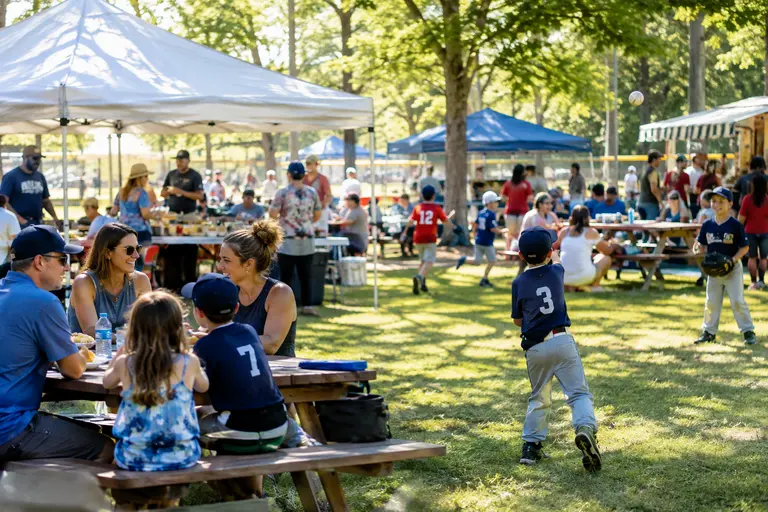
Local sports facilities often shape small routines around them. Parents stop for meals after practice. Volunteers build weekly habits around a field. Coaches become familiar faces to families outside game hours. The research provided does not include visitor-spending estimates or a business-impact study for this project, so any economic forecast would be guesswork. What can be said with confidence is that a permanent youth baseball hub creates a clearer gathering point for the community that already supports RBI Austin.
That gathering point is where Texas baseball becomes more than competition. It becomes a way neighbors recognize each other. A child’s first glove, a parent’s folding chair, a coach’s bucket of balls, and a volunteer’s evening shift all become part of the same local ritual. The RBI Austin Complex gives those rituals a home, and that home sits in a part of Austin where growth, access, and community identity are often discussed side by side.
What The RBI Austin Complex Means For East Austin Baseball
A Ballfield Story With City Roots
The most meaningful part of this project may be its plainest idea: permanence. Youth programs can do good work without owning a campus, and RBI Austin’s 2025 participation number proves that. Still, a permanent complex gives the organization a platform for deeper planning. It can help align seasons, mentoring schedules, classroom support, fitness work, and family communication around a fixed place.
If the RBI Austin Complex reaches the scale described in public reporting, East Austin will have a youth baseball site that reflects the sport’s best local purpose. Not every child needs to chase a scholarship for the project to matter. Some will learn how to hit a cutoff man. Some will learn how to lead a group. Some will find an adult who expects more from them than they expected from themselves. In Texas, that is the kind of baseball story that lasts longer than a final score.