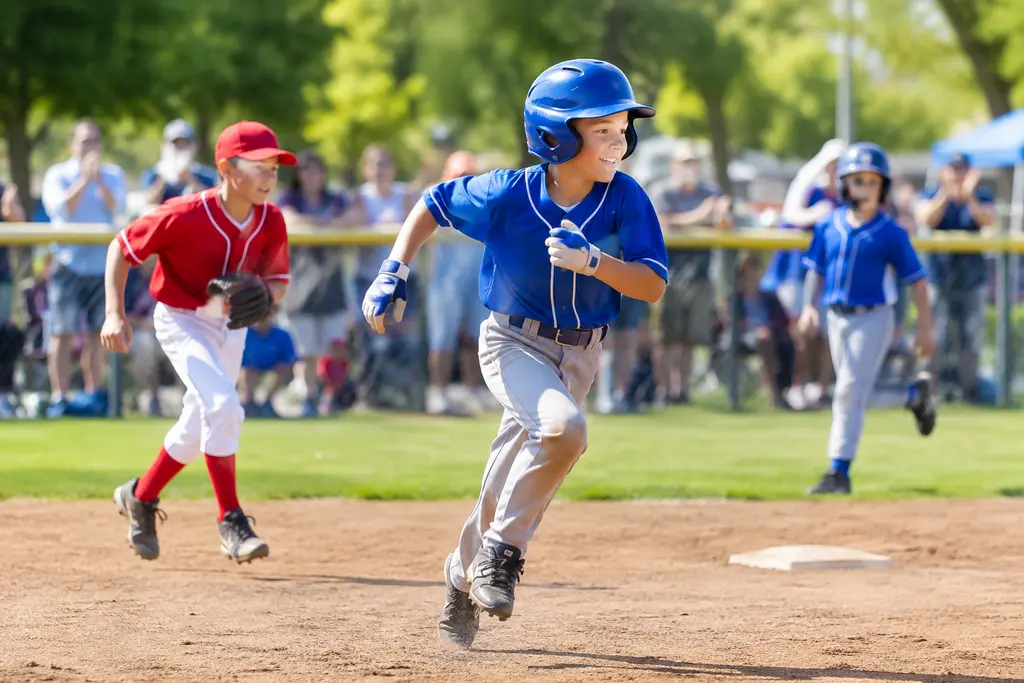

Greenwood Sports Complex has long carried a neighborhood kind of baseball value in Corpus Christi: weeknight practices, Saturday brackets, parents hauling chairs, and young players learning how a team feels before they ever think about standings. The 2026 renovation plan put that local rhythm into civic form, tying youth baseball and softball fields to bond funding, public feedback, and a clearer promise of better places for kids to play.
As of November 5, 2026, the public record supports a careful recap rather than a victory lap. The City of Corpus Christi approved the construction contract on February 24, 2026, and construction was scheduled to begin in March 2026 with completion expected by August 2026, weather permitting. The research available here does not include a final city completion notice, so the safest reading is that the project was planned for that 2026 window, with exact closeout status not confirmed in the supplied records.
Why Greenwood Sports Complex Became A Youth Priority
The city’s stated goal was not only to repair fields. It was to support more use of city parks, improve youth sports programming, and create better recreational, social, and cultural activity for players and families. In a city where baseball and softball often work as after-school structure, family gathering, and neighborhood identity all at once, those words matter.
On February 24, 2026, Corpus Christi City Council approved a $7.097 million construction contract with Barcom Construction, Inc. for upgrades to three youth sports areas: Westside Pony Baseball, Universal League Youth Baseball, and Sparkling City Youth Softball, according to the city’s construction contract notice. Those are not abstract field names. They represent the places where young athletes build habits: showing up on time, taking grounders in the heat, shaking off errors, and learning what it means to play for a coach, a league, and a side of town.
The westside complex includes 7 baseball fields, 4 softball fields, and 1 cricket field, with a South facility that includes 4 softball fields. The 2026 work focused on three fields, but the meaning reaches wider because local sports complexes often function as shared family calendars. When one field improves, parking patterns, concession lines, shade needs, and sibling attendance can change for everyone around it.
Greenwood Sports Complex And Neighborhood Baseball
The importance of Greenwood Sports Complex starts with proximity. Youth sports work best when families can get players to practice without turning every weeknight into a cross-city scramble. A local field with working lights, restrooms, dugouts, and bleachers is not a luxury for many families; it is the basic setup that keeps a child connected to a team through a full season.
That is why municipal field projects carry sports value beyond the scoreboard. Better fields can help leagues schedule with more confidence, support coaches who volunteer their time, and give families a more workable game-day setting. Texas baseball culture is built at this level first, long before college recruiting boards or professional box scores enter the picture.
What Changed Across The Fields
The city-listed improvements included new lighting, support building upgrades, new irrigation, hardscape work, synthetic turf infields, grass outfields on certain fields, covered bleachers, canopies, dugout upgrades, signage, new restrooms, and concession stand remodeling. Those pieces may sound like separate construction items, but in youth baseball they connect into one experience: can the field drain, can the lights hold an evening game, can grandparents sit in shade, can a coach manage a dugout, and can a family spend several hours there without leaving the park?
Synthetic turf infields are especially important for schedule reliability. The research does not give a promised number of additional games or practices, so no participation increase should be assumed. Still, turf infields and irrigation work speak directly to one of the oldest problems in youth sports: weather disruption. Corpus Christi’s coastal conditions make field readiness a real operational issue, and the city’s scope shows attention to both play surface and site function.
Greenwood Sports Complex Scope By League
The three named league areas give the project its local character. Westside Pony Baseball, Universal League Youth Baseball, and Sparkling City Youth Softball each serve youth players, but they also serve families who return season after season, sometimes with multiple children moving through the same dugouts. A project aimed at these sites is a project aimed at the youth pipeline that feeds school teams, select teams, and lifelong fandom.
The Universal League Youth Baseball element also appeared in state accessibility project records. As of October 28, 2025, Project #TABS2026000606 was registered for permit review with an estimated construction cost of $1,000,000, covering about 175,500 square feet and listing work such as restroom renovation, concession updates, new dugouts and bleachers, walkways, and other field upgrades, according to the TDLR project details. The estimated completion date for that element was May 22, 2026.
Comfort, Safety, And Game-Day Flow
Covered bleachers and canopies may not show up in a box score, but they can shape whether families stay for the full doubleheader. Shade is part of Texas baseball common sense. Restrooms and concession improvements matter in the same way. They make a ballpark feel cared for, and they reduce the friction that can wear down parents, grandparents, siblings, and volunteers during long league days.
Dugout improvements also speak to player development. A dugout is where young athletes learn how to be ready before an at-bat, how to support a pitcher after a hard inning, and how to listen while a coach makes a point. Better dugouts do not teach those lessons by themselves, but they give coaches a more dependable space in which to teach them.
Bond Funding And Public Trust
The construction phase was funded through previously voter-approved general obligation bonds from 2018, 2020, 2022, and 2024. That funding trail is central to the story because it shows how local baseball infrastructure is often built: not in one grand gesture, but through a series of public decisions that stack over time.
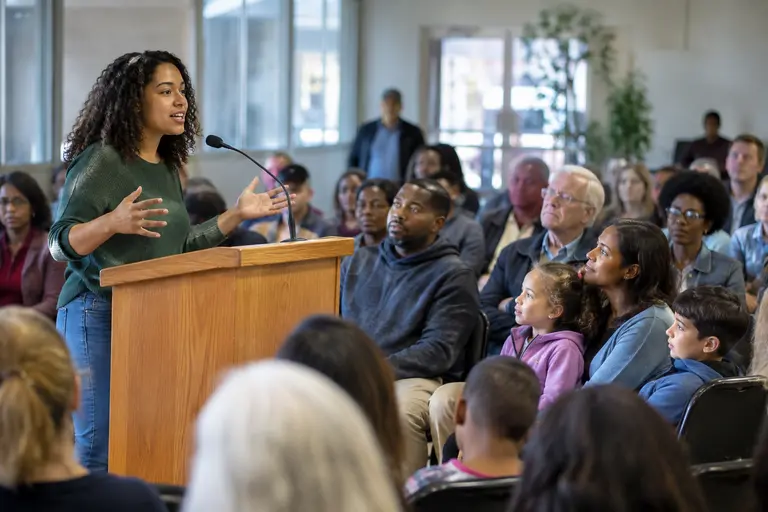
Corpus Christi also held a community input session in May 2024 for Greenwood-Westside Sports Complex improvements. Planned features presented at that stage included artificial turf fields, new dugouts, shade structures, scoreboards, renovated restrooms, and concession stands. That early public input matters because youth sports projects work best when they reflect the people who actually use the fields: coaches opening gates, parents tracking uniforms, and league leaders trying to keep seasons moving.
A Contract Built On Approved Bonds
The city’s February 2026 approval put several bond cycles into action at once. For local families, that can make a project easier to understand: past votes became field work. The renovation was not framed as a professional stadium attraction. It was a public sports investment aimed at children, families, leagues, and neighborhood use.
That fits a larger pattern across Texas, where cities and school districts have treated baseball and softball fields as civic assets rather than side projects. The same conversation appears in other local field stories, including how youth access and field upgrades can shape player opportunity when public space, drainage, turf, and league use all meet in one place.
Why Bid Pressure Matters To Families
Before the contract award, the project went through a competitive bid process. Bids were due in October and November 2025, and Barcom Construction was selected over Symmetry Sports Construction. The research notes state that Barcom’s bid of $7,097,714.86 came in about 12 percent above the engineer’s cost estimate of about $6.28 million, with the difference attributed to market conditions, drainage and irrigation challenges, and site preparation.
That cost detail matters because youth sports families often see only the finished dugout or the new bleacher cover. The public record shows the harder side of building fields: bids, estimates, site conditions, and the price of getting water, drainage, and surfaces right. In South Texas, a field is not just a diamond drawn on dirt. It is a working piece of public infrastructure.
What Greenwood Sports Complex Means For Local Baseball
Greenwood Sports Complex sits at the point where Corpus Christi baseball becomes personal. The city’s records connect the renovation to better youth sports programming and improved experiences for youth players and their families. That is the right lens. A young player remembers the first clean hop on a good infield, the first night game under better lights, and the first time a parent could sit comfortably and watch every pitch.
The renovation also gives local businesses and league volunteers a stronger setting for game days. Concession stand remodeling can support the small rituals that make youth baseball feel like community life: postgame snacks, grandparents meeting near the bleachers, and families staying through the next game because the park works for them.
The record does not prove that participation rose after the planned work, and it does not confirm final completion status as of November 5, 2026. What it does show is a serious civic investment in youth baseball and softball spaces on Corpus Christi’s west side. For a city that understands how sports fields can hold families together across seasons, that investment carries meaning beyond concrete, turf, and lights.