
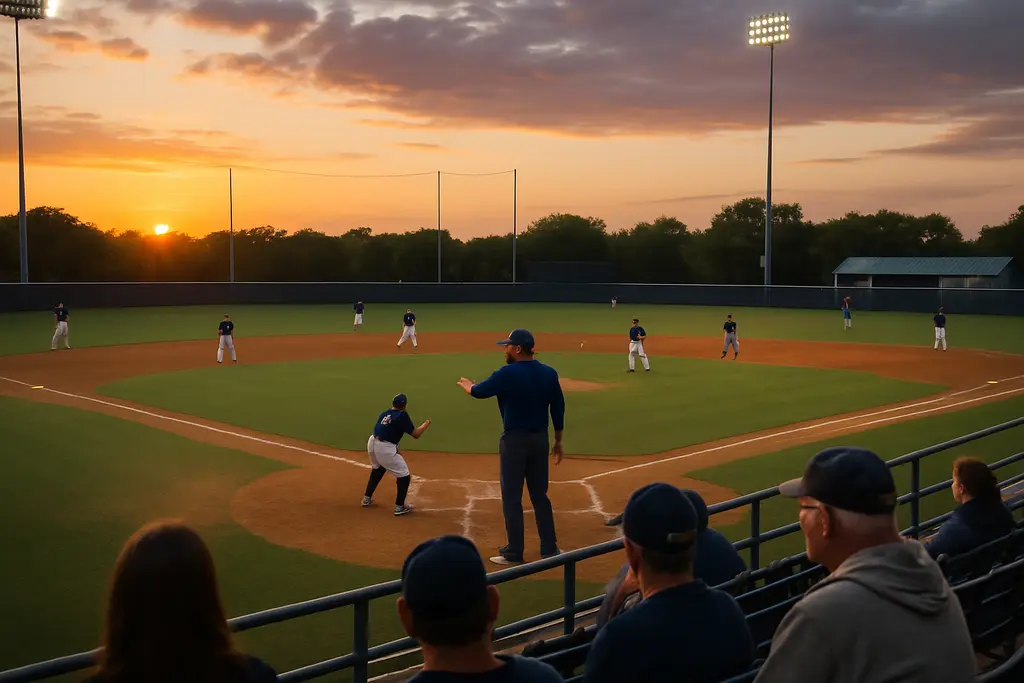

On May 19, 2026, UTSA Athletics announced a UTSA Baseball Facility plan built around approximately $20 million in phased enhancements to Roadrunner Field, tying the project to its larger Bold Champions push for athletics facilities and student-athlete resources official UTSA announcement. The date matters because this was not framed as a distant wish list. UTSA described a project already in the planning and design phase, with construction anticipated to break ground in early 2027. For San Antonio baseball, the announcement landed after a season in which Roadrunner Field was not only full, but repeatedly stretched by demand.
The story is bigger than new walls and better seating. It is about how a campus ballpark can become a stronger civic space when attendance, alumni giving, athlete development, and fan comfort all point in the same direction. Roadrunner Field has long served players, families, students, and local supporters. The next phase asks whether the venue can match the growth around the program without losing the close-to-the-field feel that gives college baseball in Texas its local pull.
What The UTSA Baseball Facility Plan Includes
Inside The UTSA Baseball Facility Buildout
The baseball upgrades are centered on a player development center. According to UTSA’s May 19 announcement, the planned space includes a new locker room, a student-athlete lounge, equipment areas, batting cages, dedicated pitching space, and recovery areas. That list says plenty about where college baseball facility planning has moved. The modern player development conversation is not limited to a field, a dugout, and a weight room. It includes year-round training, recovery, routine, and the daily environment that shapes how athletes prepare.
The UTSA Baseball Facility proposal also carries a recruiting message. UTSA described the long-term benefits as including an improved recruiting and competitive profile, stronger student-athlete performance and well-being, better fan and alumni experiences, and more local visibility. Those are official goals rather than completed outcomes, and the difference is worth keeping clear. As of October 12, 2026, the announced baseball project had not broken ground. The supported takeaway is that UTSA has tied the facility plan directly to the way it wants baseball prospects, current players, and former players to see the program.
Fan Spaces Beyond The Grandstand
Fan experience upgrades are also part of the plan. UTSA said premium hospitality and seating, upgraded concessions, improved restrooms, and enhanced social gathering areas are being evaluated. Those details matter in a city where baseball gatherings often include parents, alumni, students, youth players, and neighbors sharing the same concourse. Better restrooms and concessions are not glamorous talking points, but they affect whether families stay comfortable across a full game and whether casual fans come back after one visit.
There is also a social layer to the design conversation. College baseball crowds build around habit: the same seats, the same friends, the same conversations between innings. If UTSA expands hospitality and gathering areas, the project could give Roadrunner Field more room for alumni weekends, donor events, student groups, and families who treat baseball as a campus meeting place. The official materials do not list a direct local spending estimate tied to game-day activity, so any claim beyond the capital plan itself would be speculation. What is supported is that UTSA has placed community engagement on game days inside the facility discussion.
Why Roadrunner Field Demand Became Part Of The Story
Attendance Outpaced The Posted Capacity
The facility push followed a 2026 season in which UTSA Baseball reported 28,190 total spectators across 28 home games. The average crowd was 1,007 fans per home game, above Roadrunner Field’s official capacity of 1,000. That works out to an average occupancy of 100.7 percent. For a college baseball venue, that number is a clear sign that the program was not discussing fan upgrades in a vacuum.
The single-game high came on May 12, 2026, when 1,585 fans attended the home game against Texas State. UTSA identified that crowd as the largest ever for a home game at Roadrunner Field. A rivalry-style opponent from within the state helped show what happens when interest, geography, and program momentum meet in San Antonio. It also gave UTSA a practical case for reviewing seating, hospitality, concessions, restrooms, and gathering areas.
Alumni Giving Changes The Tone
Community support for the project has not been limited to attendance. UTSA said 22 major gifts had been pledged toward the baseball development center during a silent phase, including more than $500,000 from 18 former baseball players. That detail gives the project a different feel. Former players are not just names in a record book; in this case, they are part of the funding story tied to the next version of the program.
That alumni piece is especially meaningful in Texas baseball culture. Former players often remain connected through camps, family weekends, youth coaching, and local business relationships. UTSA’s announcement did not name every civic tie connected to those gifts, and none should be assumed. Still, the verified pledge totals show that people with direct program history have chosen to support the baseball development center. In college athletics, that kind of support can help set the tone for how current athletes understand the jersey they wear.
What It Means For San Antonio Baseball Culture

A Campus Venue With City Meaning
San Antonio’s baseball conversation does not happen in one place. It includes college fields, youth diamonds, pro ballpark debates, and neighborhood memories tied to teams and venues. The Roadrunner Field plan belongs to that broader city discussion because it links campus growth with public identity. For readers following how venue decisions shape local baseball life, the project sits near other San Antonio baseball planning questions, including the city’s ongoing interest in future ballpark development and preservation concerns covered in our look at San Antonio baseball memory.
UTSA’s plan is different from a municipal ballpark project because it is rooted in a university athletics setting. Even so, the same cultural question appears: what does a baseball venue give back to the people around it? At Roadrunner Field, the answer begins with athletes and fans. The proposed development center targets daily training needs, while the fan-facing ideas target comfort and connection. If those two sides advance together, the venue can serve both the dugout and the stands.
The Recruiting And Player Development Message
For recruits, facilities are rarely the whole decision, but they can help define how a program presents itself. UTSA’s planned batting cages, pitching areas, recovery spaces, locker room, and lounge all point toward daily development. The school’s stated aim of year-round athlete growth fits the way modern college baseball evaluates time: fall work, winter preparation, in-season adjustment, and recovery all sit inside the same player calendar.
For current players, the value is more immediate. A dedicated development center can shorten the distance between practice, recovery, team meetings, and equipment needs. UTSA has framed that investment as part of student-athlete performance and well-being. The public announcement does not promise wins, rankings, or postseason results, and it should not be read that way. Facilities do not hit with runners in scoring position or command the strike zone. They do, however, shape preparation, and preparation is one area a program can control.
Why The UTSA Baseball Facility Matters In San Antonio
The clearest reading of the UTSA Baseball Facility plan is that it connects three verified signs of growth: a $20 million phased project, record-setting 2026 attendance, and pledged support from former players and other major donors. That combination gives Roadrunner Field a stronger case than a simple amenities request. It shows demand from the stands, backing from the program’s past, and an official plan for how the next phase of UTSA baseball should serve athletes.
For San Antonio, the project also adds another chapter to the city’s baseball identity. UTSA did not release a direct economic forecast for local businesses in the announced details, so the responsible story is not to assign dollars that have not been published. The supported story is still significant: more comfortable game days, stronger alumni connections, a clearer recruiting pitch, and a campus venue preparing for a larger role. If construction begins in early 2027 as anticipated in the May announcement, Roadrunner Field’s next phase will test how well UTSA can turn documented support into a baseball home that fits the program’s growth and the city that has started filling it past capacity.