
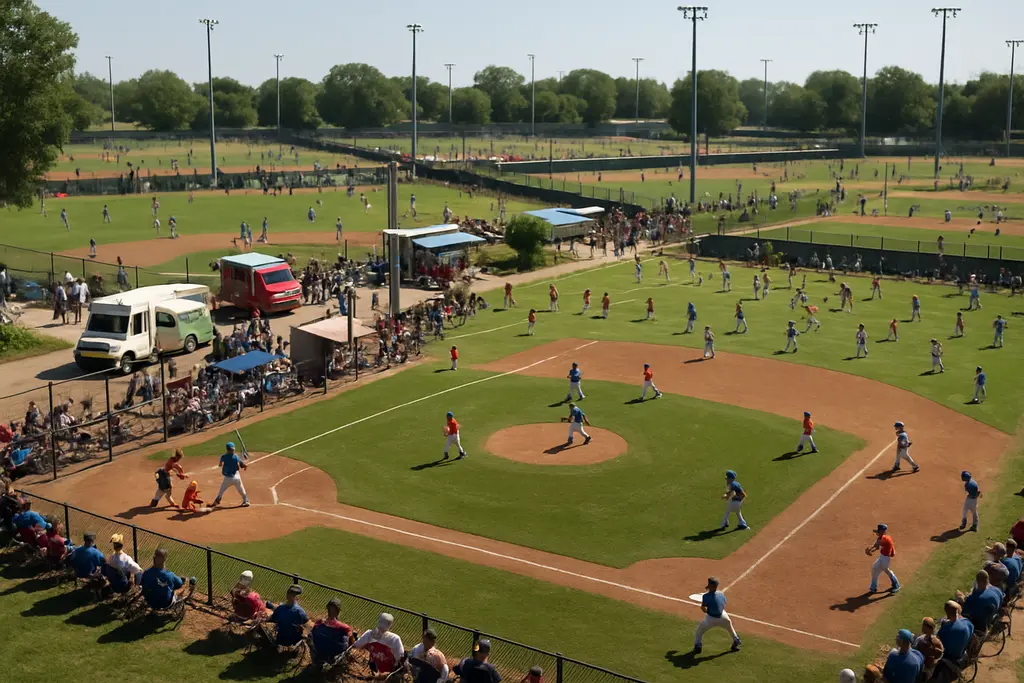

Texas towns have learned that the youth baseball economy is not an abstract civic talking point. It shows up in hotel bookings, restaurant lines, gas station stops, and the steady weekend rhythm around ballparks. For families, these complexes are where players chase innings, coaches sort lineups, and grandparents find a shady seat. For cities, the same facilities can become anchors for sports travel and local spending when tournaments are scheduled well and fields hold up under heavy use.
The clearest Texas examples are not limited to one metro area. Texarkana and Beaumont both reported measurable gains from youth baseball events in 2026, and both cases tell a story that feels familiar across the state. A tournament does not end at the foul line. It stretches into Friday check-ins, Saturday meals, early Sunday fuel stops, and small purchases that link baseball families to the local business community.
How The Youth Baseball Economy Moves Local Spending
Youth Baseball Economy Starts With Family Travel
The youth baseball economy begins with the traveling family. A single roster can bring parents, siblings, coaches, and relatives into town. When dozens or hundreds of teams arrive, the spending pattern becomes larger than the games themselves. Visitors need places to sleep, quick breakfasts before pool play, sit-down meals after bracket games, and nearby retail options for forgotten gear, sunscreen, drinks, and snacks.
That pattern matters because youth baseball creates repeat contact between towns and families. A good tournament weekend can introduce a city to visitors who may not have planned a separate leisure trip there. The ballpark becomes the front porch. Parking, field conditions, concessions, restrooms, shade, and nearby food options all shape how families talk about the town after they drive home.
Fields As Local Business Connectors
Texas baseball culture has always leaned on shared community space, from Little League diamonds to high school parks. Tournament facilities build on that habit, but with a wider reach. A complex can pull in teams from outside the local area and create steady weekend traffic for hotels, restaurants, retailers, and service businesses. That is why city leaders tend to study these facilities as public assets, not just sports venues.
This is also where the story connects with everyday workers. Tournament weekends can mean more shifts for restaurant staffs, more check-ins for hotels, more customer volume for convenience stores, and more pressure on city services. For a related look at how baseball creates work around concessions and game operations, our coverage of game-day jobs traces how baseball spending reaches people beyond the dugout.
What Texarkana Shows About Tournament Traffic
Why Outsiders Matter To Local Cash Flow
In Texarkana, the youth baseball economy became visible through the 2026 summer season at Swanger Sports Complex. During the February-June 2026 period, the complex hosted 15 tournaments with 420 teams and about 43,000 visitors. Direct visitor spending reached $6.5 million, and about 61 percent of visitors came from outside the local area, according to the city’s Swanger impact study.
Those numbers help explain why tournament baseball can matter so much to a border city. When a majority of visitors come from outside the local area, spending is not simply moving from one neighborhood to another. It is new traffic entering the local economy for a defined sports purpose. That distinction is key for hotels, restaurants, and retailers trying to forecast busy weekends and staff accordingly.
Swanger’s 2026 figures also show the value of volume. Fifteen tournaments over five months created repeated waves of visitors rather than a single event spike. That gives businesses a better chance to learn the baseball calendar, prepare for heavier meal periods, and connect with families who return for later tournament dates. It also gives city officials a clearer view of how field scheduling, parking, traffic flow, and maintenance affect economic return.
Sports Infrastructure With A Community Face
For Texarkana families, the ballpark is still a place of scorebooks, sunflower seeds, folding chairs, and postgame talk. The spending figures do not erase that local feeling; they frame it. A youth tournament facility works best when it respects both parts of the assignment. It has to serve local players and residents while also welcoming visiting teams that carry economic value into the city.
That balance can be hard to manage. Heavy tournament schedules can place more wear on fields and more demand on staff. Families notice when facilities are clean, games start close to schedule, and nearby services are easy to find. Businesses notice when out-of-town visitors know where to go after the final out. The cities that gain the most from baseball travel tend to think about the full weekend, not just the first pitch.
Beaumont’s Spring Tournament Weekends
Spindletop Boom Set A Clear Local Example
Beaumont shows how a single youth baseball weekend can create a noticeable local lift. The Spindletop Boom Tournament, held on March 28-29, 2026, brought in 131 teams, including 52 from outside town, and produced $202,800 in direct economic impact, according to Yahoo Sports reporting. We previously covered the same Beaumont weekend in our local piece on how the Spindletop Boom Tournament boosted Beaumont.
For a city with deep sports pride, those numbers put structure around what many families see on tournament weekends. More teams mean more cars, more meals, more hotel demand, and more interaction between visitors and local businesses. It is not just the championship bracket that matters. The full event creates a civic rhythm, starting with travel into town and ending after teams finish play and families make one last local stop before heading home.
Back-To-Back Weekends Build Momentum
Beaumont’s April 2026 baseball calendar added another layer. Two consecutive tournament weekends, April 11-12 and April 18-19, brought about 270 combined teams and roughly $299,000 in economic boost, according to the same Yahoo Sports report. That back-to-back structure matters because it gives the hospitality sector more than one peak weekend to plan around.
For coaches and families, consecutive tournament weekends also show how spring baseball travel becomes part of family life in Texas. Schedules are built around pool play, warmups, long drives, and quick meals. Local restaurants and hotels become part of the baseball memory, even if they never appear in the box score. A player may remember a walk-off hit, while a parent remembers the place that had tables ready for a tired team after a late game.
Facility Decisions And Baseball Culture
Why Cities Study The Full Weekend
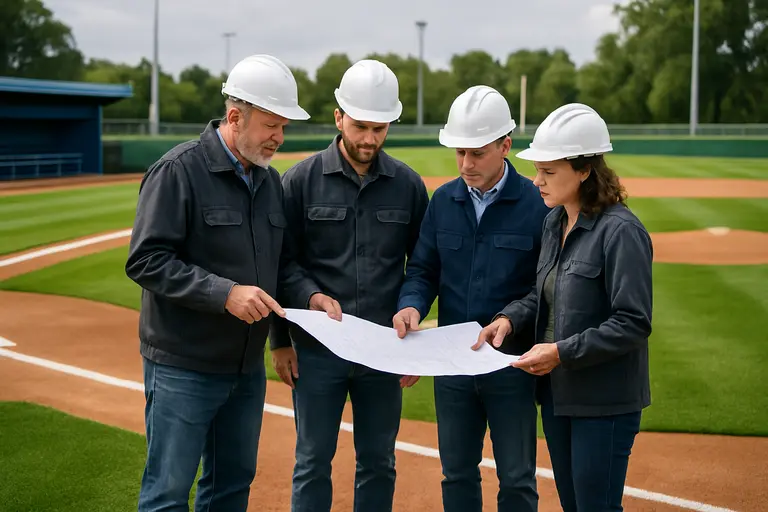
The economic ripple from baseball facilities is strongest when cities treat tournaments as more than isolated games. A complex needs playable fields, workable parking, clear scheduling, and nearby services. Visitors need directions, food options, and predictable access. Local businesses need enough notice to staff up when large events are expected. These pieces are not glamorous, but they shape whether a sports facility becomes a reliable community asset.
The youth baseball economy also gives local leaders a way to talk about recreation spending in practical terms. Baseball fields serve children first, but tournament-ready facilities can serve a wider civic purpose. They can help a town host outside teams, keep local families engaged, and create weekend traffic for businesses that might otherwise see slower periods.
Keeping The Athlete At The Center
Economic impact should not push the young athlete out of the story. Texas baseball facilities matter because they give players places to compete, develop, and learn how to handle pressure. A well-run tournament gives coaches a better setting for player evaluation and gives families a shared experience that lasts beyond one weekend.
That is part of the Texas baseball identity: local pride, family travel, and player development tied together under the lights. The money matters, but the culture gives the spending its shape. When towns invest in fields and manage tournaments well, they are not only chasing visitor dollars. They are strengthening the places where kids learn the sport and where families build weekends around innings, weather, and community routines.
What The Youth Baseball Economy Means For Texas Towns
The youth baseball economy gives Texas towns a sports-first path to measurable local impact. Texarkana’s 2026 summer season showed how tournament volume can bring tens of thousands of visitors and millions in direct spending. Beaumont’s spring weekends showed how even shorter events can move real dollars through hotels, restaurants, retailers, and other local businesses.
For baseball people, the lesson is simple but meaningful: facilities are not just concrete, dirt, grass, and lights. They are gathering places where young players compete and where local identity meets visitor spending. The Texas towns that benefit most will be the ones that keep the sport at the center while planning carefully for the full weekend around it.